The National Fish and Wildlife Foundation’s National Coastal Resilience Fund recently awarded a $4.6 million grant benefiting a partnership of local organizations working to restore native forests and coral reefs in Maunalua Bay.
Funding for the ongoing Ridge-to-Reef Project went to Mālama Maunalua, in collaboration with Protect and Preserve Hawaiʻi, Kuleana Coral Restoration, the Hawaiʻi Institute of Marine Biology, the Koʻolau Mountains Watershed Partnership, Aloha Tree Alliance, Roth Ecological Design International, the Ocean Alliance Project and the state Department of Land and Natural Resources.
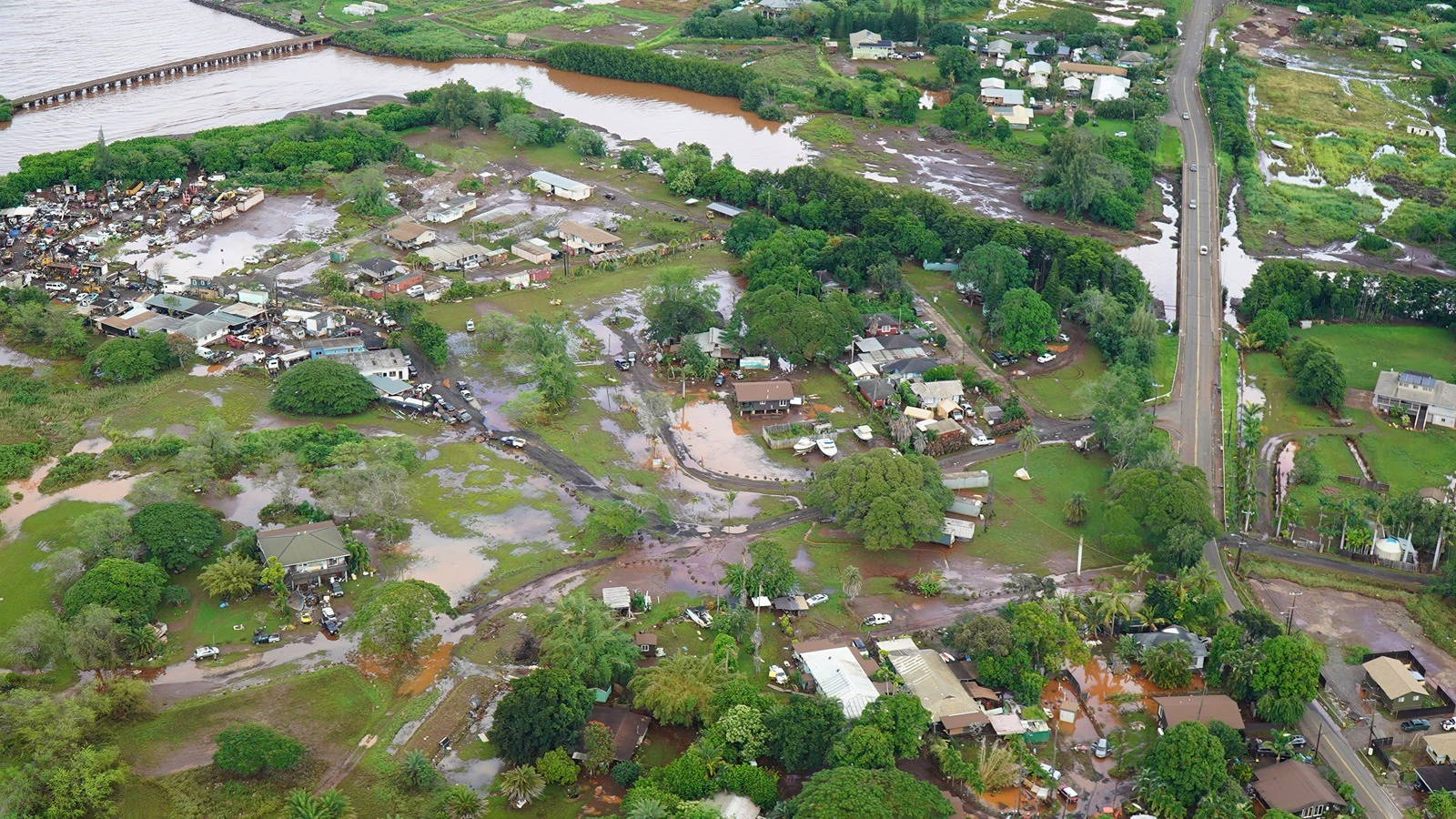
“This funding is transformational for Maunalua Bay and for our community,” said Doug Harper, executive director of Mālama Maunalua, in a statement. “For years, residents have witnessed the impacts of flooding, runoff, and declining coral health. This award allows us to activate a comprehensive, science-driven solution that restores native forests, improves stormwater management, and rebuilds our coral reefs with species resilient to future climate conditions. It is a major step forward for protecting our homes, our ecosystems, and our way of life.”
Earlier this year, Harper told Aloha State Daily that he oversees an annual budget of $3.5 million and about 20 full- and part-time employees, in addition to thousands of volunteers and contractors, all working to restore more than 20 acres of Maunalua Bay on O’ahu.
“Our work is rooted in aloha ʻāina and powered by people," he said, adding that marine conservation, coral research and restoration is "about community, culture and legacy.”
This project will resume from early 2026 to mid-2028 and aims to restore six acres of degraded forest, construct four green infrastructure projects that would capture more than 850,000 gallons of stormwater runoff per year, and transplant at least 3,000 heat-resilient corals across 10 acres of reef.

To accomplish this, Harper says engagement with volunteers, schools, partners and community members is key. Together, local organizations will hold monthly volunteer restoration and coral propagation events, as well as educational workshops and green infrastructure demonstrations at schools, businesses and homes.
The projected outcome? “The project will significantly reduce flooding, erosion, and pollution while strengthening Maunalua Bay’s natural defenses against sea level rise and climate-driven storm impacts,” according to the nonprofit. Its scope also includes designs for a new regional native plant nursery in East Honolulu.
Since it launched in 2005, Mālama Maunalua has stewarded multiple watersheds and worked with local residents to help mitigate runoff in the area. Harper previously told ASD that the organization works together with residences on best practices, which ranges from installing rain gardens or rain barrels to even repositioning gutters. Learn more about current incentives here.
Efforts to remove invasive plant species that get into streams and then oceans after heavy rainfall also preserve the health of fish, corals and other marine life.
“My hope is that people can mimic what our organization is doing in other regions to affect positive change,” Harper said at the time.
Stay up-to-date with Mālama Maunalua here:
For the latest news of Hawai‘i, sign up here for our free Daily Edition newsletter.
Kelsey Kukaua Medeiros can be reached at kelsey@alohastatedaily.com.