The inaugural Wayfind Music Festival: Re-Centering Kānaka Voices and Redefining Hawaiʻi’s Sound, will take place from 10 a.m. until 9 p.m. on Saturday, Dec. 27, at the Capitol Modern. The free event is being presented by Lōʻihi Records.
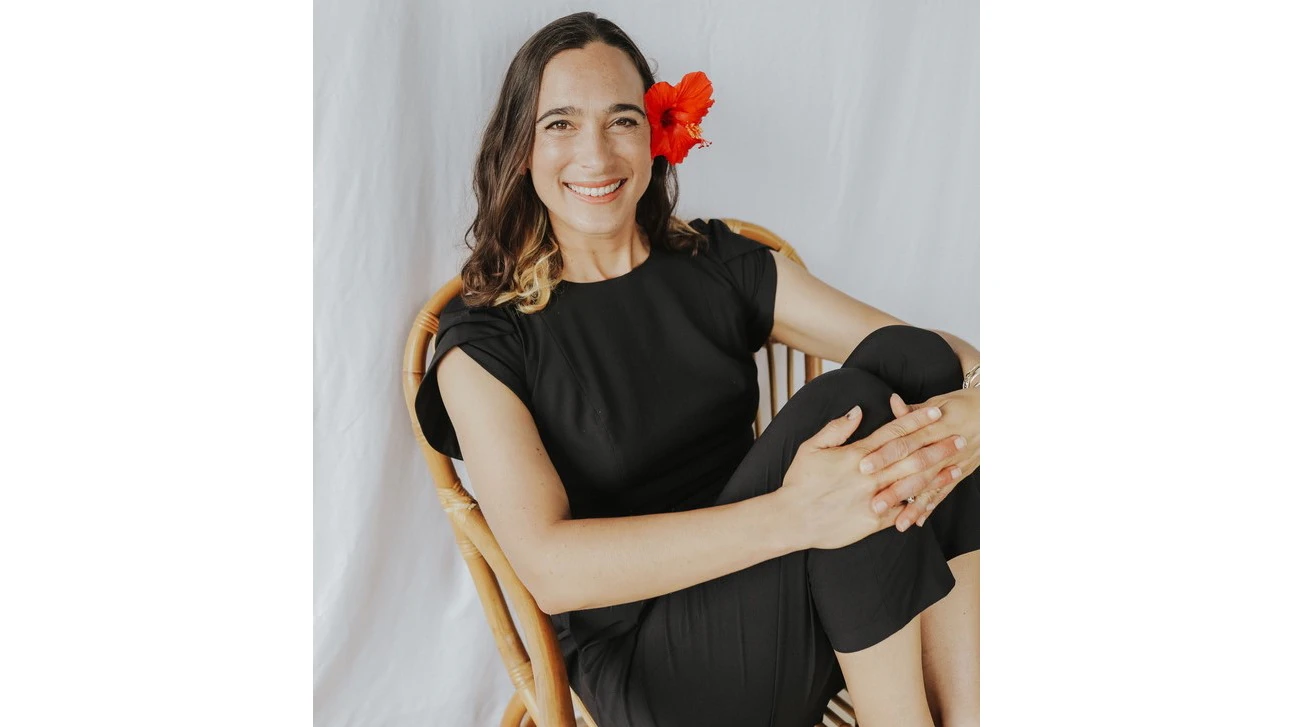
The headliner is T.J. Keanu Tario, also known as Laritza, who just won “Hawaiʻi to the World,” a talent competition launched by Hawaiian Council. Other featured artists at the music festival include Lōʻihi Records’ Pulitzer Prize finalist Leilehua Lanzilotti and Grammy Award-winners Kalia Vandever and Andrew Yee.
“We are bringing a couple artists from the continent,” Dean Harada, the founder of Lōʻihi Records, told Aloha State Daily. “Both of them are Grammy winners. It's Kalia Vandever and Andrew Yee. Kalia is interesting because she is kānaka in the diaspora, right? But I think one thing that we've been really conscious about in this thing is that TJ is headlining. And the reason for that is because too often, we put our people in a support role to the continent. And what we want to portray here is this idea that our artists are in this cohort. It's not like: ʻThey’re up here, and we're down here.’ ... T.J. is equally at that point, in the quality of her work, in the importance of what she's doing.”
Tario has produced two albums with Lōʻihi Records: “Standing Above the Clouds” in October of 2024, and “He Kaikamahine O Kekahi Moku” in October of 2025.
Lōʻihi Records is a “Hawaiian avant garde record label, celebrating emergent endemic music, culture and community,” according to its website. Reserve a ticket to the music festival. The event is free but donations benefit Lōʻihi Records.
Tario and Harada spoke with Aloha State Daily ahead of Wayfind Music Festival:
How did you meet and decide to work together on two albums?
T.J. Keanu Tario: We had a mutual friend in LA through theater, and they actually put us in contact, because then I was slowly moving back home, and Dean, I think you were also back home. And then we had a few meetings and talked a lot about music and collabs and ideas. … I talked to you about the music that I was working on for the Mauna Kea documentary [“Standing Above the Clouds”], and you're like, ʻOh, let's re-release this, as just the music.’
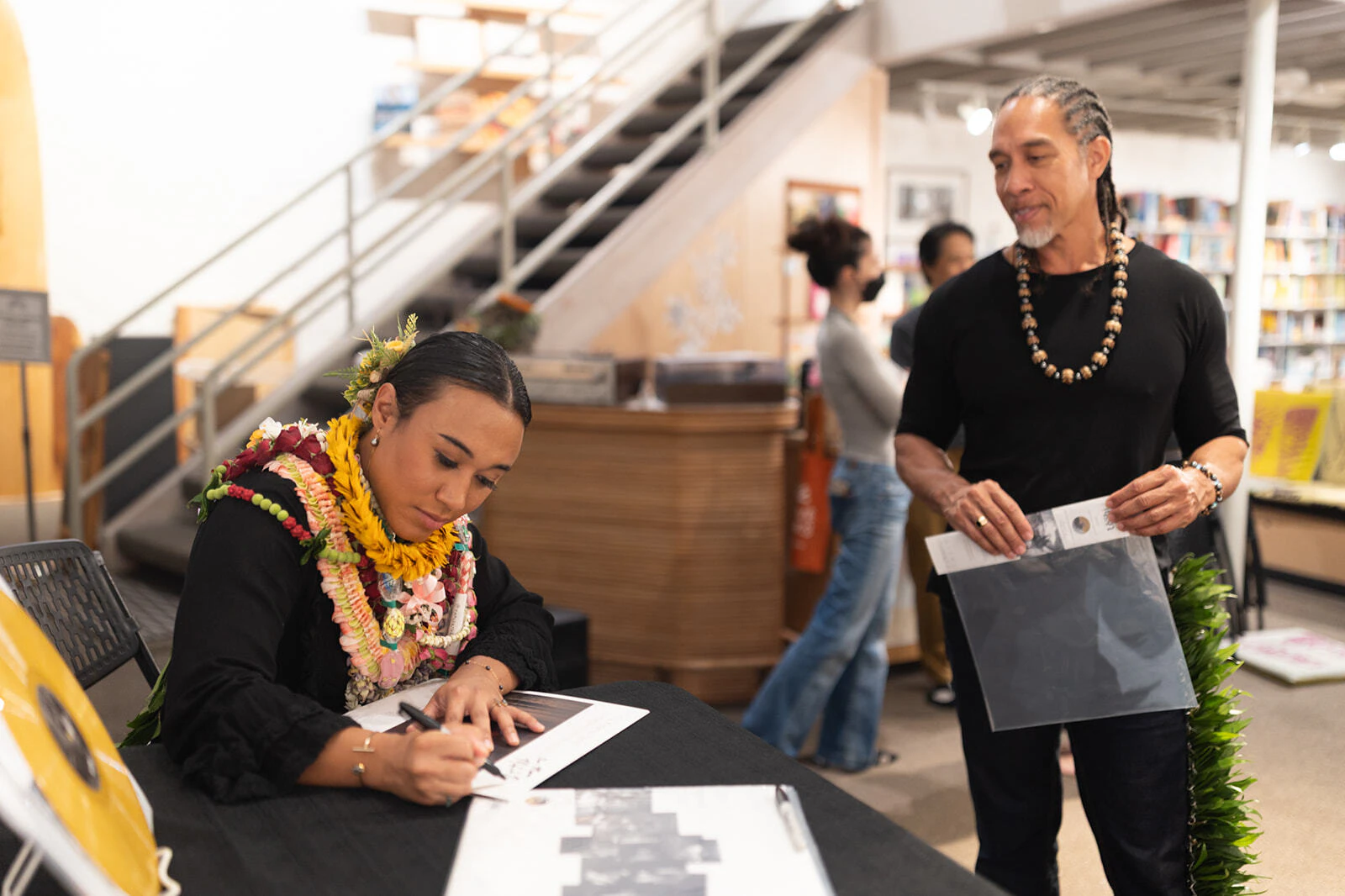
Dean Harada: I think the first time you and I met in person was at Capitol Modern, right? It was at the drag show at Capitol Modern. It was really great to be able to meet and talk. We spent — like she just said — we spent a lot of time just talking about what our experiences were in music, as well, because we both come from conservatory backgrounds, and what that was for us. And then, when TJ was talking about the record, she shared some of the music with me prior. And I was like, ʻThis is so beautiful.’ It felt like there was an opportunity to really take it even farther. And T.J. did compose some stuff that's actually not in the film, as well, that was added on, specifically for this record.
TJ, can you share a little more about your writing process?
Tario: I was actually working on another project, a ballet, through Native Arts + Cultures Foundation. They, with the grant, [helped] get me back home to travel to the mauna [and do] extensive research. Just being back home in the Islands, it just really revitalized myself, as a composer. At the time, I was also starting my transition and a lot went on in the process of composing both works — both the documentary and then also this Poliʻahu [Hawaiian goddess of snow] ballet. But as a whole, I feel like I bring a lot of the land, a lot of the scope of what this ʻāina has to offer, within my music. I spent a lot of time just recording the sounds of the mountain and going back to Oʻahu and just kind of going for it.
Tell us about the Wayfind Music Festival at Capitol Modern.
Harada: We released “Standing Above the Clouds” in what was it, T.J., October? End of October of 2024. It was just a little over a year ago. That was kind of the kickoff of the label. … It's been an amazing journey. And I think part was just to kind celebrate this moment, and also T.J.'s record, the new record, is unbelievably good. It's kind of the centerpiece, in a way, of the thing. Both in the music itself, but also the spirit that T.J. brought to that record, is within the festival itself, as well. Capitol Modern, I think it's great that it's there, because T.J. and I met there, and it's perfect. But also, we've been slowly developing a relationship with the museum. Over the course of the year, we've been having events there, little listening parties and smaller performances and things like that, just developing that relationship with them. Part of this is a celebration of that, what we are building there. But then I also feel like so much of the label’s thing is about building community, and a really specific community, too. Our thing is we're not doing traditional music. We're doing endemic music, not necessarily Indigenous, but it's endemic to this place, and it's emergent.
What advice would you give keiki interested in careers in music?
Tario: Just keep going. The world needs to hear more of what they do. And even in struggles, you're able to find the beauty within the notes, between the notes, so yeah, just keep doing it. And also, just for myself, in speaking, always bring your culture forward with however [you’re] performing.
Harada: As a tag on that, I think the label is the reminder that people are listening. Bring your stuff forward and there are people out there who are listening. No matter how weird you think it is, no matter if you think, ʻOh nobody's doing this’ … No matter what it is, people are listening. There's people out there who want and need to hear what you're doing.
Buy “He Kaikamahine O Kekahi Moku” or “Standing Above the Clouds.”
For the latest news of Hawai‘i, sign up here for our free Daily Edition newsletter.
Katie Helland can be reached at katie@alohastatedaily.com.