Hawai‘i will collect a small cut of a $150 million settlement with Mercedes-Benz after an emissions fraud lawsuit.
Forty-eight states, along with Puerto Rico and the District of Columbia, jointly sued Mercedes-Benz USA LLC, alleging that the auto manufacturer had installed devices in more than 211,000 vehicles that allowed them to circumvent national emissions standards.
The suit alleged that, between 2008 and 2016, Mercedes-Benz equipped those vehicles with “defeat devices” intended to optimize vehicle emissions during testing, thereby allowing the vehicles to seemingly meet emissions standards. During everyday use, however, the vehicles exceeded those standards, despite the automaker marketing its vehicles as being environmentally friendly.
In particular, the suit alleges that the vehicles exceeded legal emission limits for nitrogen oxides, smog-forming compounds that can cause respiratory illness. The suit goes on to say that the automaker willingly concealed this from testers because it was unable to meet certain performance goals, such as improved fuel economy, while also meeting emissions standards.
Mercedes-Benz is one of several automakers implicated in emissions fraud schemes since 2015, when Volkswagen was cited by the Environmental Protection Agency for similarly circumventing emissions standards, kicking off an industry-wide scandal sometimes referred to as “Dieselgate.”
Last week, Mercedes-Benz and the plaintiff states reached a settlement, with the automaker agreeing to pay up to $149.6 million in total. Of that settlement, $120 million will be paid out to the states immediately.
Hawai‘i’s cut of this is relatively small: $263,356, as only 913 of the vehicles in question were sold or registered in the state. William Nhieu, spokesman for the state Department of Commerce and Consumer Affairs, told Aloha State Daily that those funds will be used “toward the investigation and prosecution of other cases involving known or suspected violations of consumer protection laws.”
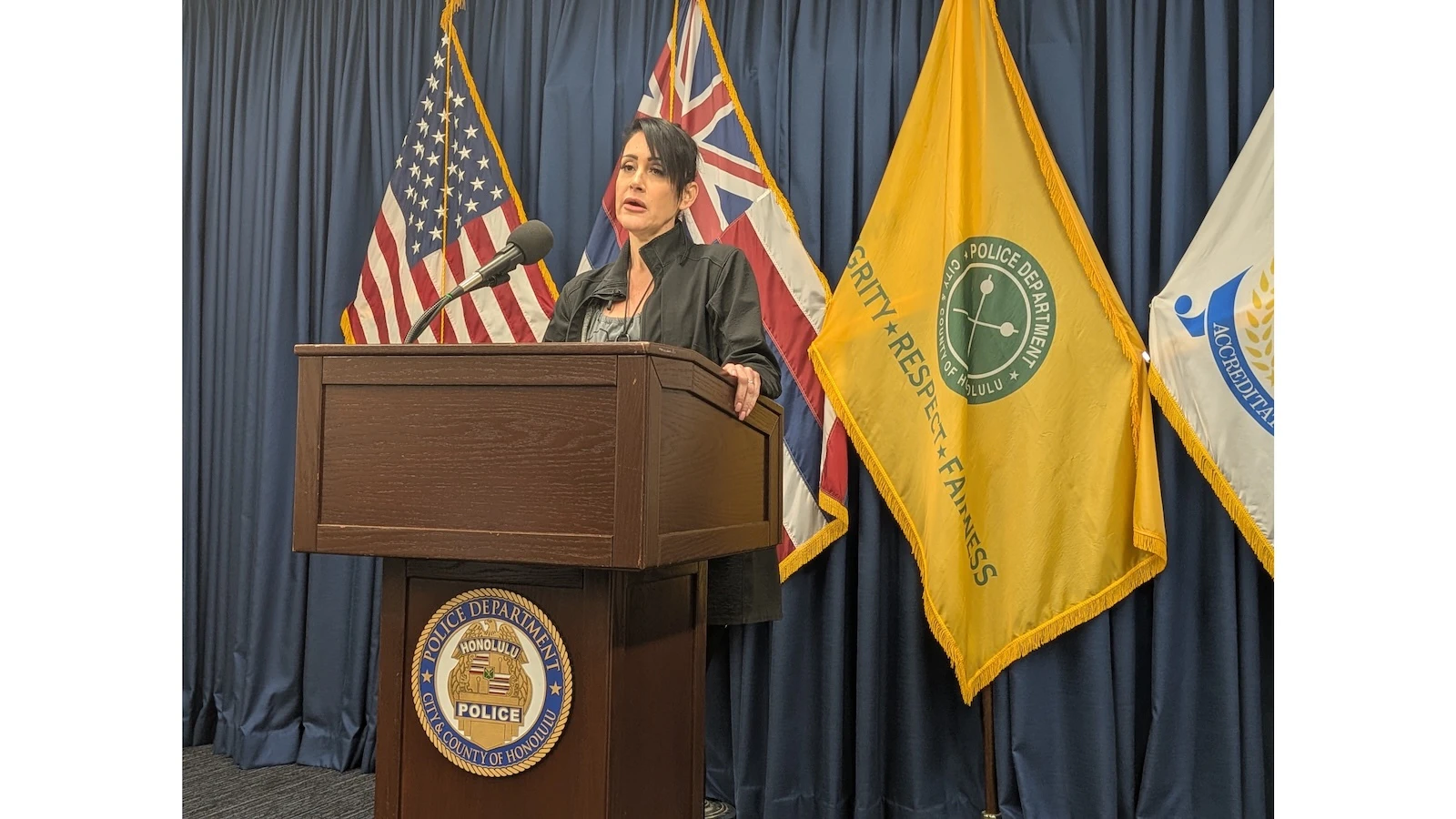
“We must protect our environment for future generations and deliver certain consequences to those who break the law and pollute our air. Auto manufacturers have willfully been misleading the public about the level of harmful pollutants their vehicles were emitting,” said Mana Moriarty, Executive Director of the Office of Consumer Protection, in a statement.
The remaining $29 million will be suspended, pending the completion of a consumer relief program by the automaker, which will support the impacted vehicles still in use today — the DCCA estimates that number to be nearly 40,000 nationwide.
Mercedes-Benz will pay to install devices that will lower emissions on each affected vehicle and provide those vehicles’ owners an extended warranty and a $2,000 payout.
For the latest news of Hawai‘i, sign up here for our free Daily Edition newsletter.