With 2025 in the rearview, Maui-based nonprofit Hoʻōla iā Mauiakama Disaster Long Term Recovery Group (Hoʻōla LTRG) plans to continue chipping away at housing, case management and more, in the year ahead.
The organization formed in response to the August 2023 wildfires and became a 501(c)3 in late 2024. At the helm is Executive Director Rhonda Alexander-Monkres, who previously served as one of its volunteer board members.
To date, Hoʻōla LTRG and its community partners have helped more than 1,400 wildfire survivors pay rent, mortgages, utilities, medical expenses, insurance and vehicle-related costs.

Alexander-Monkres says her biggest concern this year is sustainability.
“Recovery doesn’t follow a funding calendar. As public programs wind down, the needs don’t disappear. We’re worried about families falling through the cracks just as attention and resources begin to shift away,” she said. “Our greatest need is sustained funding for people and systems — trained disaster case managers, construction oversight and volunteer coordination. These are not one-time expenses, but long-term investments that allow families to keep moving forward safely and with dignity.”
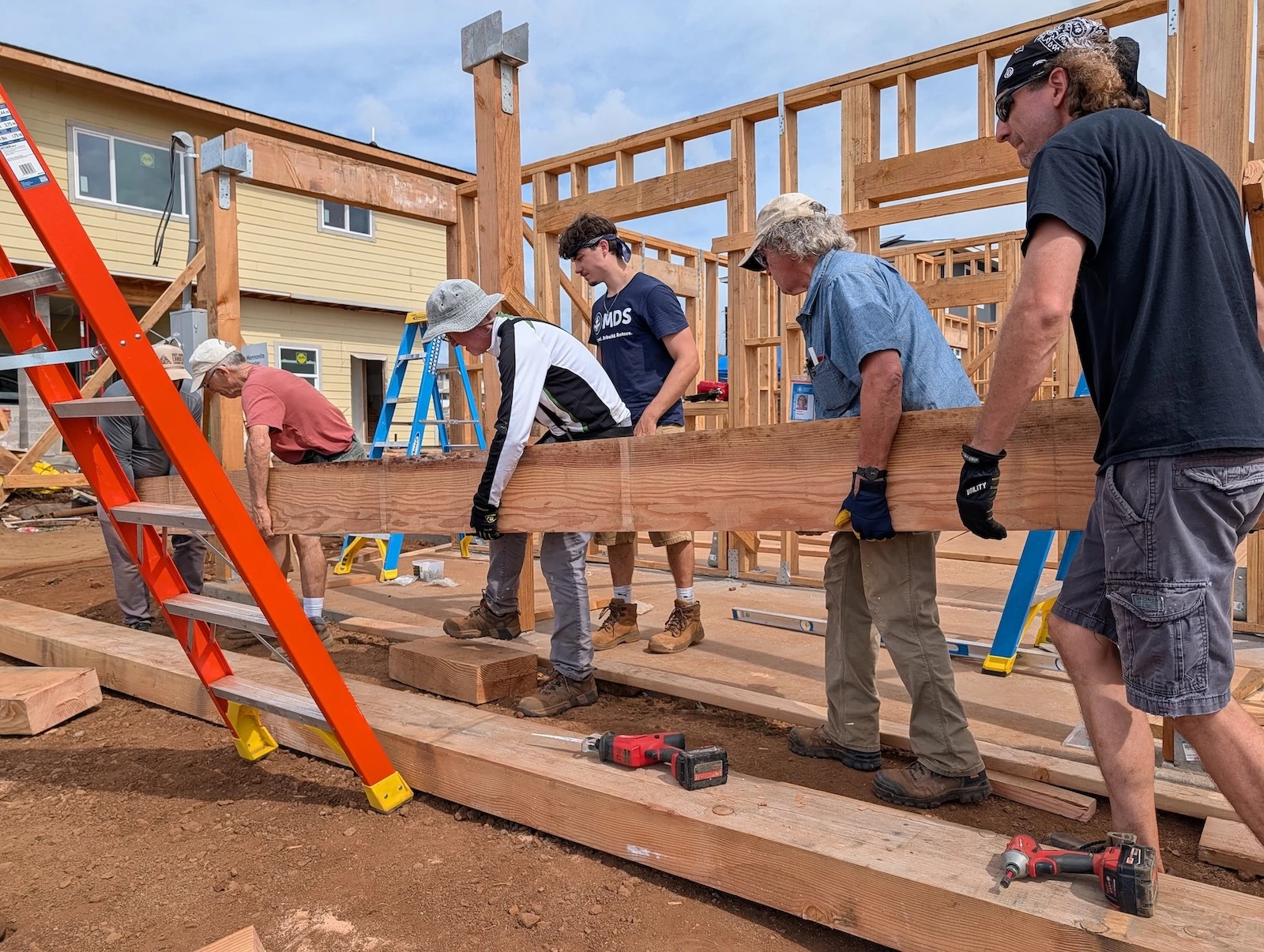
What excites her most is “momentum,” Alexander-Monkres said, adding, “We’re seeing homes move closer to completion, families stabilizing, and stronger coordination across partners. After years of crisis response, we’re now in a phase where follow-through matters — and that’s where long-term recovery organizations like ours are built to serve.”
Case management is one area of focus for Hoʻōla LTRG. With the Hawai’i Disaster Case Management Program set to close within the month, she noted that the number of cases will significantly increase.
“The state has selected Hoʻōla as one of three agencies statewide to receive transferred cases, and we already have hundreds of families on waitlists seeking support,” she said.
Ideally, the shift will allow those enrolled in the state’s program to continue receiving support without interruption.
What will be the impact on both Hoʻōla LTRG and Maui fire survivors?
“We are actively scaling — hiring, training, strengthening systems and coordinating closely with partners — but this transition does create operational pressure. Case management is relationship-based and complex. Growth must be done carefully to avoid burnout and ensure families receive the quality, trauma-informed, holistic support they deserve.”
Hoʻōla LTRG also coordinates an Unmet Needs Funders Roundtable, where disaster case managers share survivors’ needs and get support for their recovery plans. So far, 22 families have received $386,000 through this process.
“Our top priority is continuity — making sure families don’t lose support during this transition period. That means stabilizing case management services, advancing home rebuilds, and maintaining strong coordination across funders, nonprofits, volunteers and government partners,” Alexander-Monkres said. At the heart of it, our priority is simple: helping families move from uncertainty to stability, and from displacement to home.
“Long-term recovery isn’t fast, but it is deeply human. Our work is about staying when others leave — and 2026 is a year where that commitment matters more than ever.”
To learn more and/or contribute to this cause, visit mauilongtermrecovery.org/donate. Stay up-to-date on Instagram and Facebook.
For the latest news of Hawai‘i, sign up here for our free Daily Edition newsletter.
Kelsey Kukaua Medeiros can be reached at kelsey@alohastatedaily.com.