Darren Ho claims if you can color within the lines of a coloring book, you can carve ice. Never mind that it requires working with a chainsaw and a 300-pound block of ice that’s 40 inches tall, 20 inches wide and 10 inches thick.
“No artistic talent or logging experience needed — just care and commitment,” said Ho, who has been creating ice sculptures for some 40 years. “Whether you’re holding a chainsaw or a paring knife, it’s the same basic idea. You draw an outline on ice, wood, bone, soap, stone, whatever — and you cut pieces from it. What’s left is your work of art.”
Born on O‘ahu and raised there and on Maui, Ho began his ice-carving career as a cook at what was then the Intercontinental Maui in Wailea (now the Wailea Beach Resort). The hotel served a lavish Sunday brunch buffet, and a beautiful ice sculpture adorned the table with cold foods: fruit, salads, cheeses, cured meats and the like.
“There was a different carving every week, and I thought they were amazing,” Ho said. “What was interesting was the person who made them was a banquet waiter, not a chef. I thought if he could do them, I could, too. I asked my boss if I could try if I bought the equipment and learned on my own time. He agreed, and, looking back, it was a gutsy thing to suggest because I didn’t know anything.”
As it turned out, one of Ho’s good friends, Sean Kaumeheiwa, was doing ice carvings for another hotel. He was a member of the Japan Ice Carving Association, a Maui-based organization that had been started by Kazuo Yamanoue, then regarded as the premier ice carver on the island.
With Kaumeheiwa’s encouragement, Ho joined the group, which comprised about a dozen cooks from different hotels and restaurants. Their employers would pay for ice blocks, and the men would get together and create sculptures for them to display free of charge.
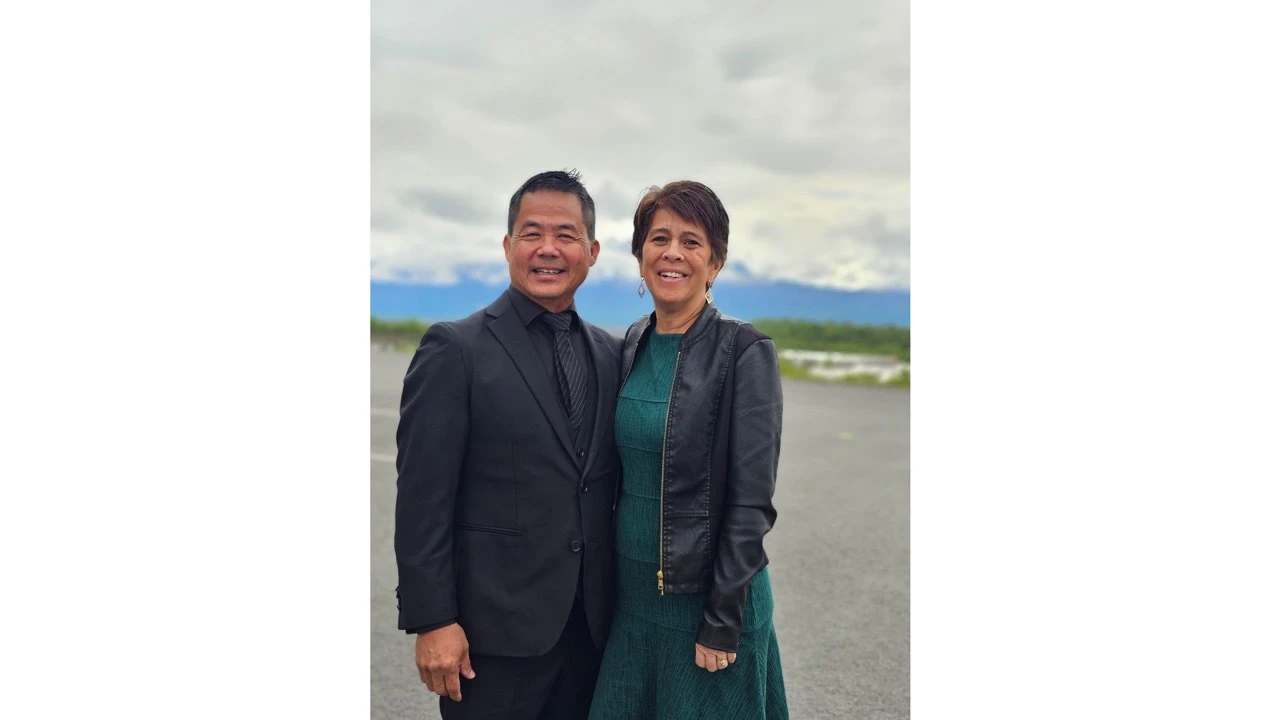
Ho and his wife, Sharay, are ministers for King’s Maui. They attended an event at a sister church, King’s Wasilla in Alaska, last May. (Courtesy Darren Ho) 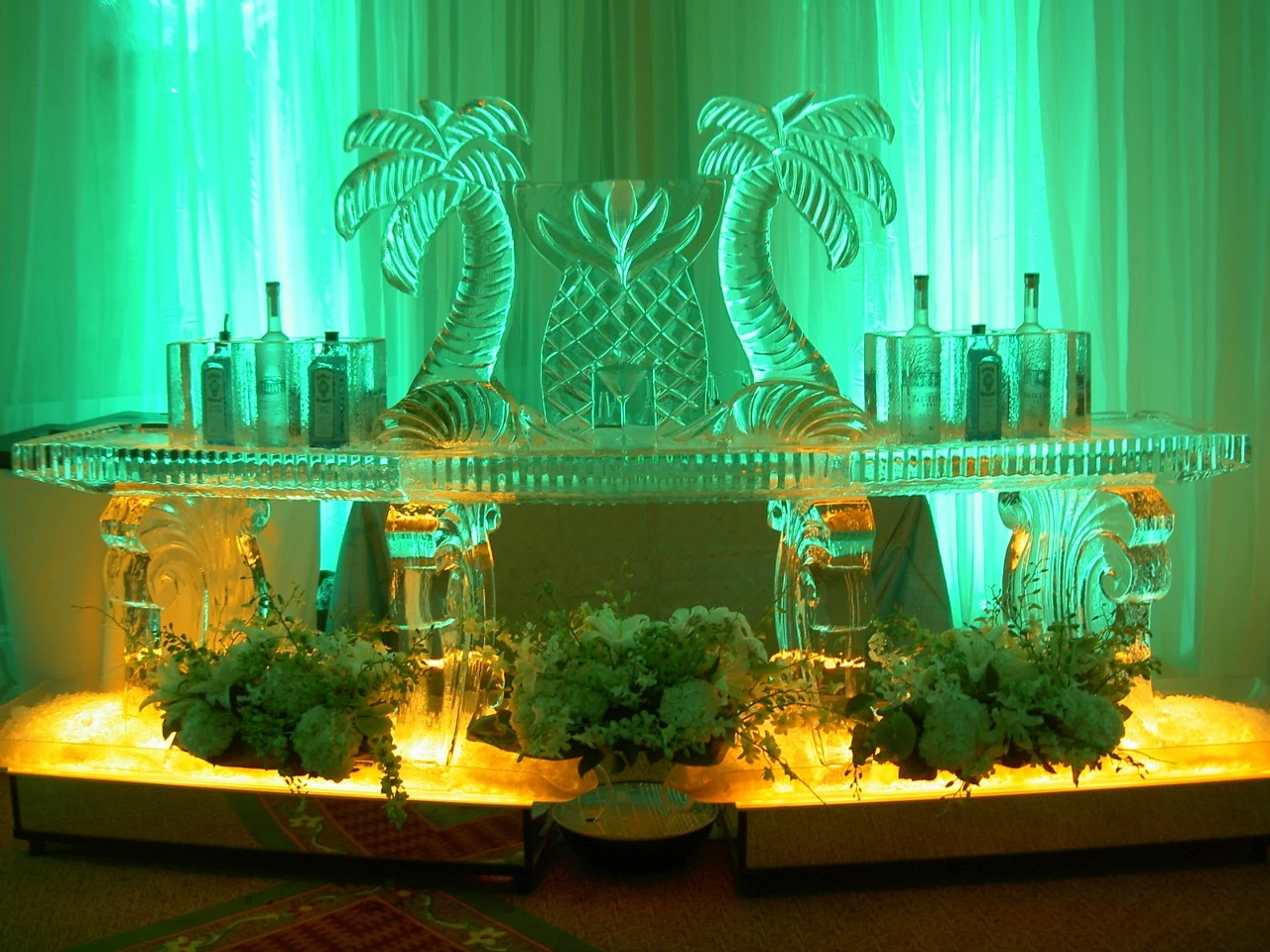
A pineapple and palm trees re the focal points of this ice bar created by Darren Ho. (Courtesy of Darren Ho) 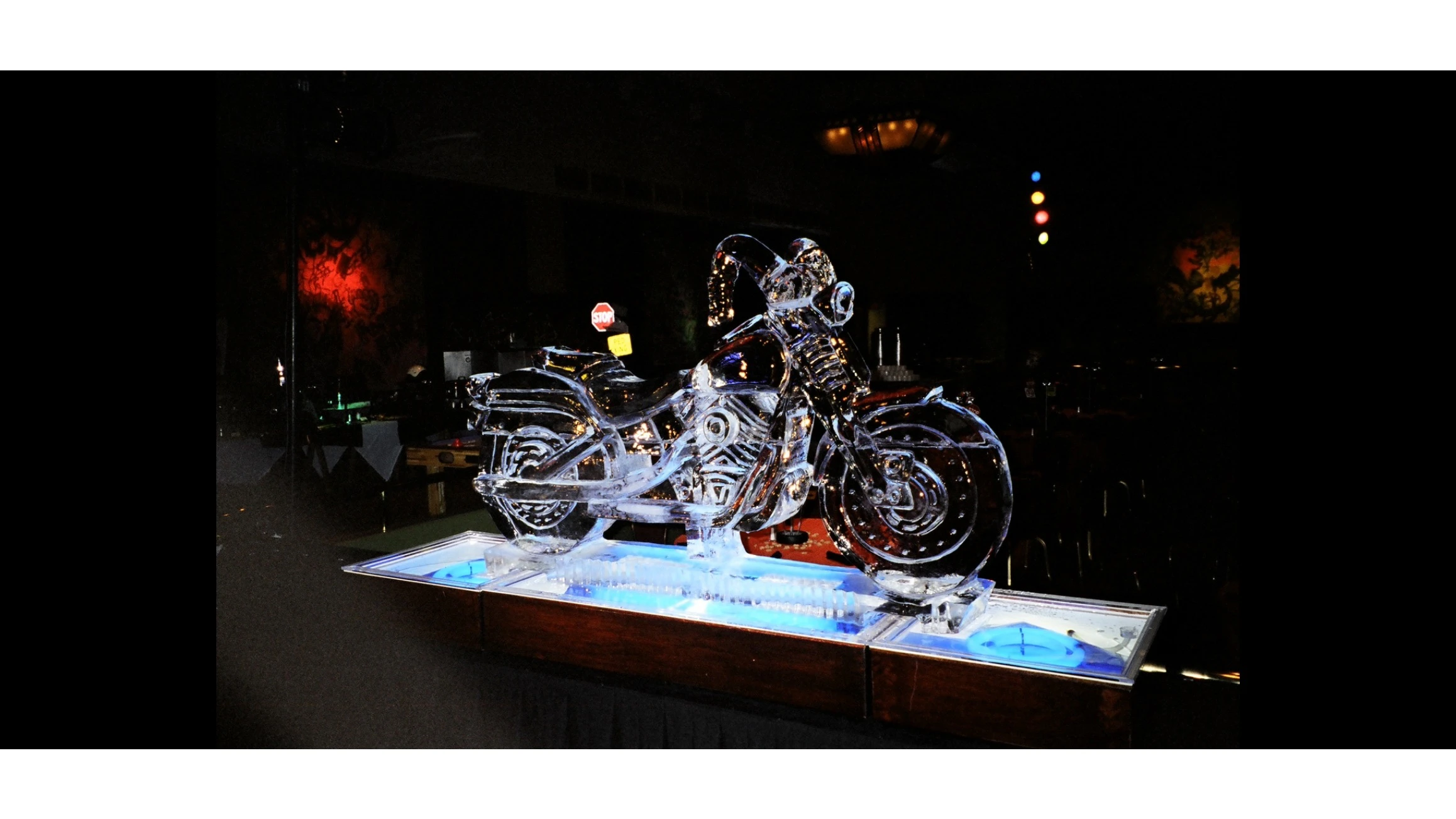
Ho created a motorcycle (80% of full size) for a bikers-themed event. (Courtesy of Darren Ho) 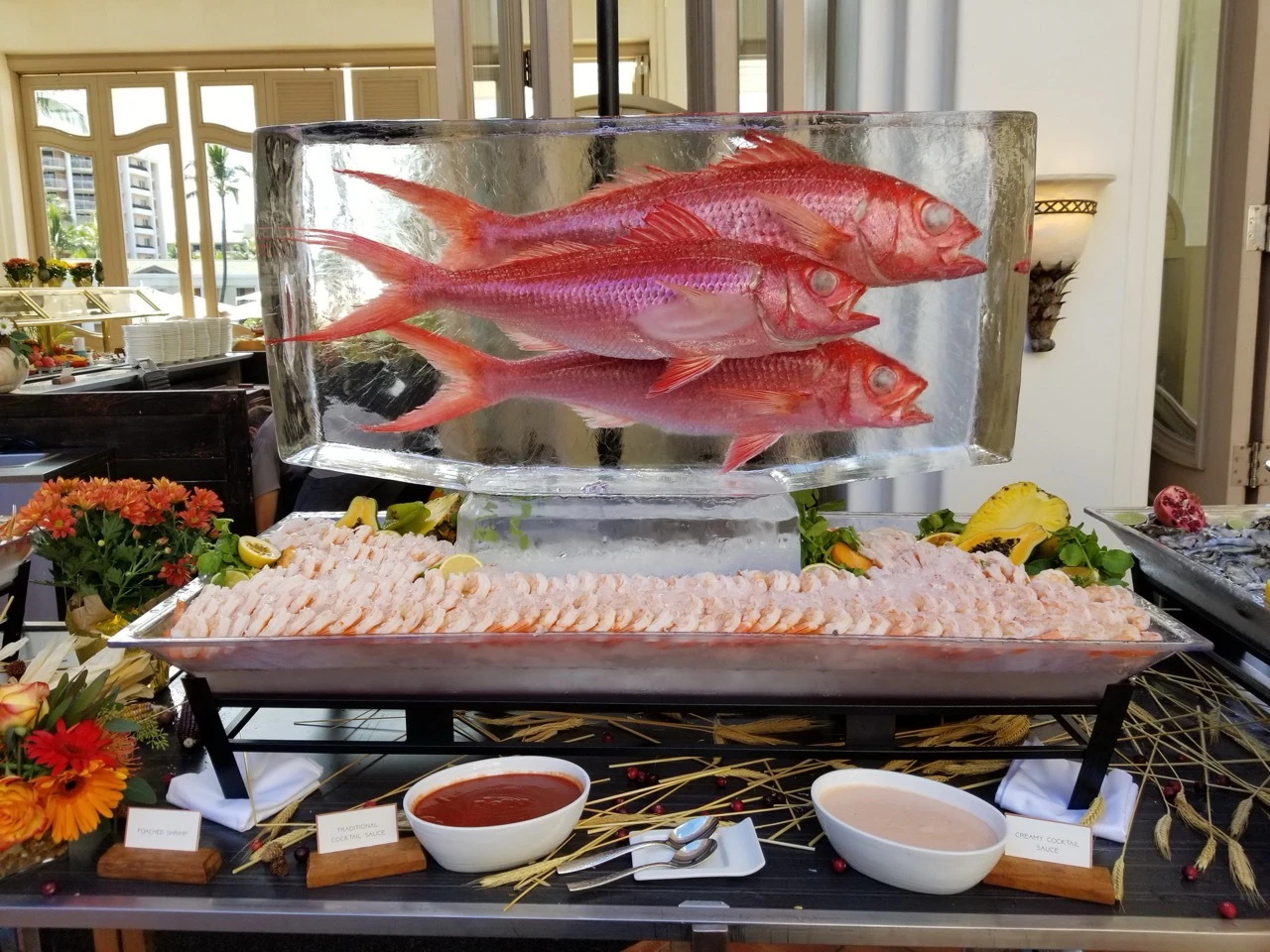
Fish swim in a giant block of ice in this sculpture by Darren Ho. (Courtesy of Darren Ho) 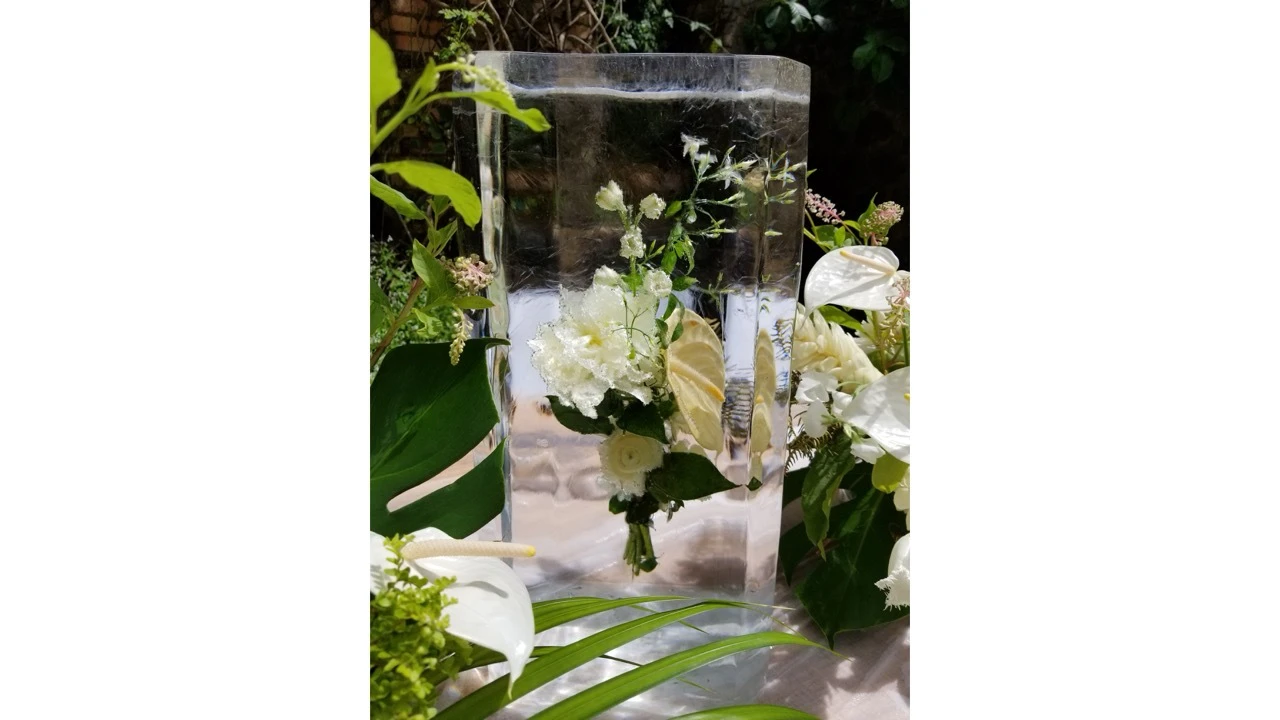
Ho sealed fresh flowers in ice for this pretty table display. (Courtesy of Darren Ho) 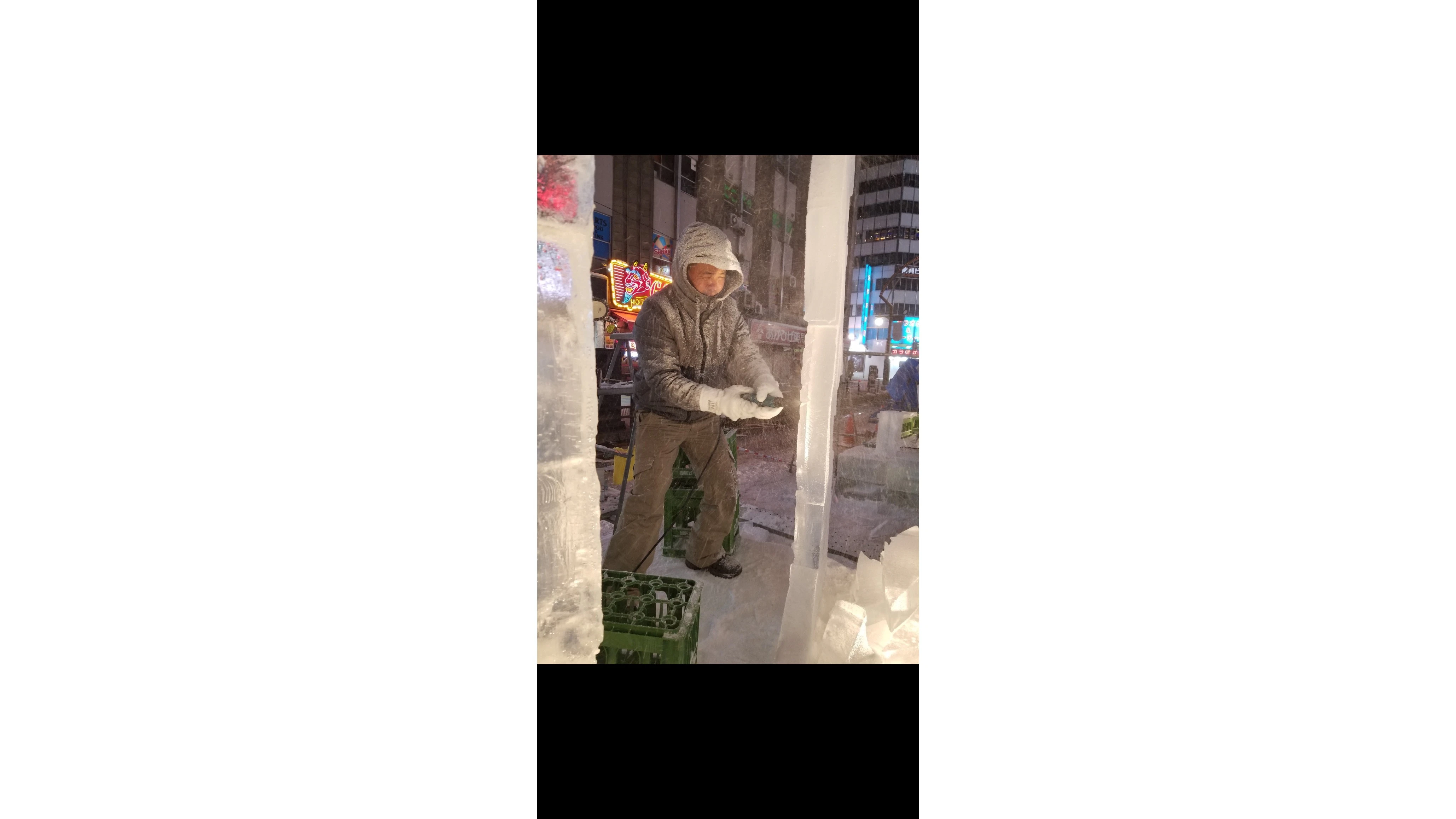
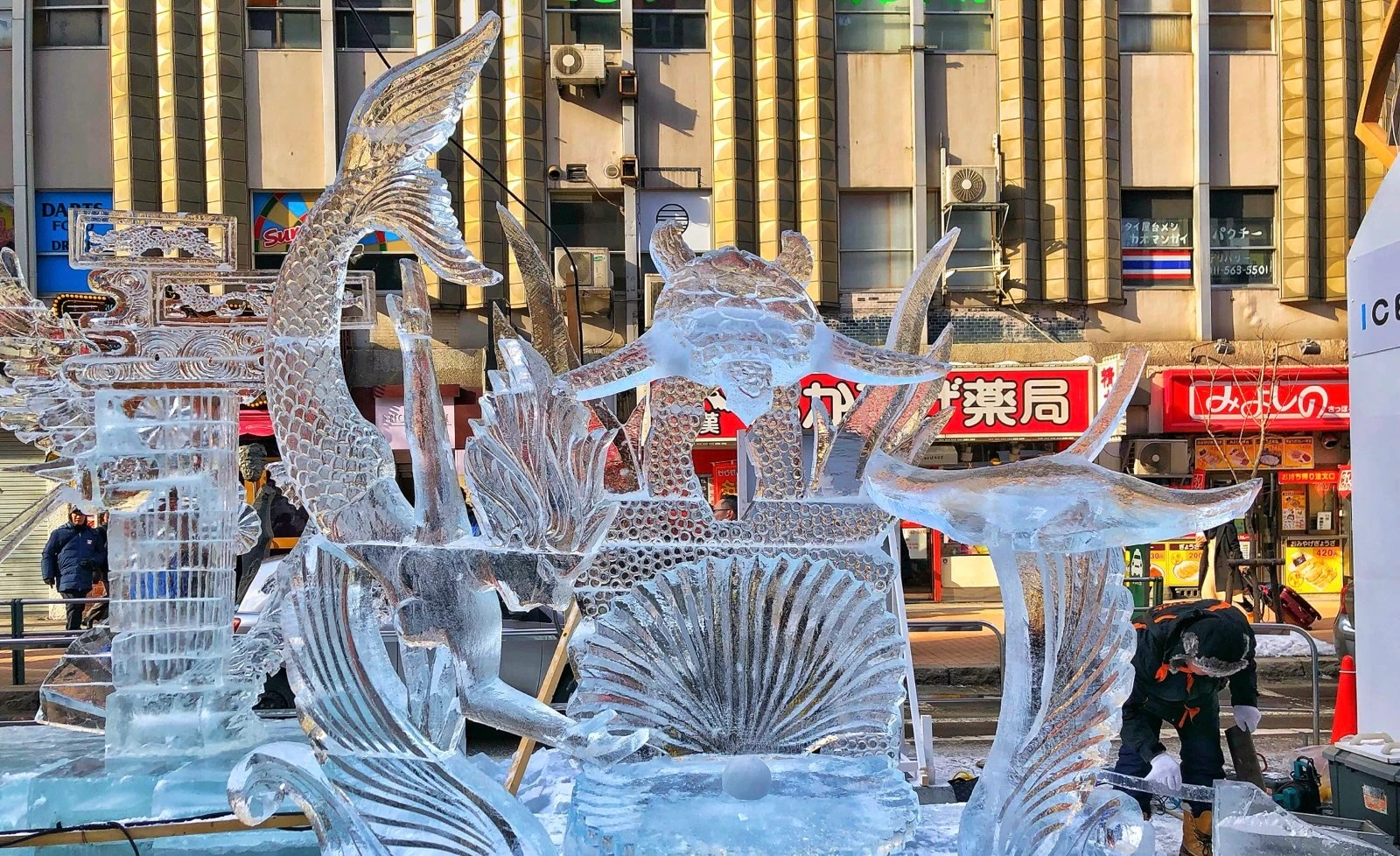
Ho carving ice in Susukino, 2018 Sapporo Snow Festival. Susukino is the site of the festival’s ice sculpture contest. (Courtesy Darren Ho)
Ho was excited to learn. “It was all by watching,” he said. “My very first carving was a swordfish. After I cut the outline of it with a chainsaw, I didn’t know what to do next. Kazu saw that I was stuck, and he finished the carving for me. He didn’t say, ‘Darren, these are steps one, two and three.’ He just did it, I watched and the next week I carved a swordfish for the Intercontinental’s brunch by myself.”
The more Ho practiced, the more passionate he became about the work. He became the hotel’s sole ice carver, moving from swordfish to koi, swans, angelfish, eagles, even pagodas and rickshaws — something different every week. “If you do anything enough times, you get better at it, including carving ice,” he said. “You need only a few tools to do it — a handsaw, a Dremel tool with different bits and a chainsaw, which does 80% of the work. You can do a lot of details with the chainsaw, because the tip of it is just like a chisel.”
Eventually, Ho also started doing ice sculptures for wedding receptions at the Intercontinental. He went on to work as a garde manger at the Hilton Waikoloa Village on Hawai‘i island, then the Hyatt Regency Maui and Grand Wailea on Maui, preparing cold dishes and decorative fruit and vegetable garnishes in addition to doing ice carvings for special events. In 1995, during his stint at the Grand Wailea, he started a side business, Ice Sculptures by Darren Ho. Jobs started coming via word of mouth — weddings, graduations, anniversaries, birthday parties and more. He got so busy with the extra work, he left the Grand Wailea in 1999 and has been self-employed ever since.
Today, Ho owns and operates Central Maui Propane and Maui Pure Water and Ice, which is the sole source in Hawai‘i for the huge ice blocks used for carving. It’s also the company under which his ice projects now fall.
Normally, it takes Ho an hour or two to complete a carving, which lasts about four hours. The exceptions were the elaborate sculptures he produced as a contestant in the Sapporo Snow Festival’s ice-carving competition from 2015 through 2019.
He won fourth place in 2015, third place in 2017 and second place in 2019 for designs that featured Hawaiian icons such as pineapple, dolphins, sea turtles and humpback whales. Because of the freezing temperatures, which dipped into the 20s Fahrenheit, the sculptures remained in pristine condition for the duration of the weeklong festival, which draws more than 2 million visitors each year.
Ho attributes his success to faith and perseverance. “When you dedicate your efforts to God,” he said, “He paves the way for you to achieve your dreams."