
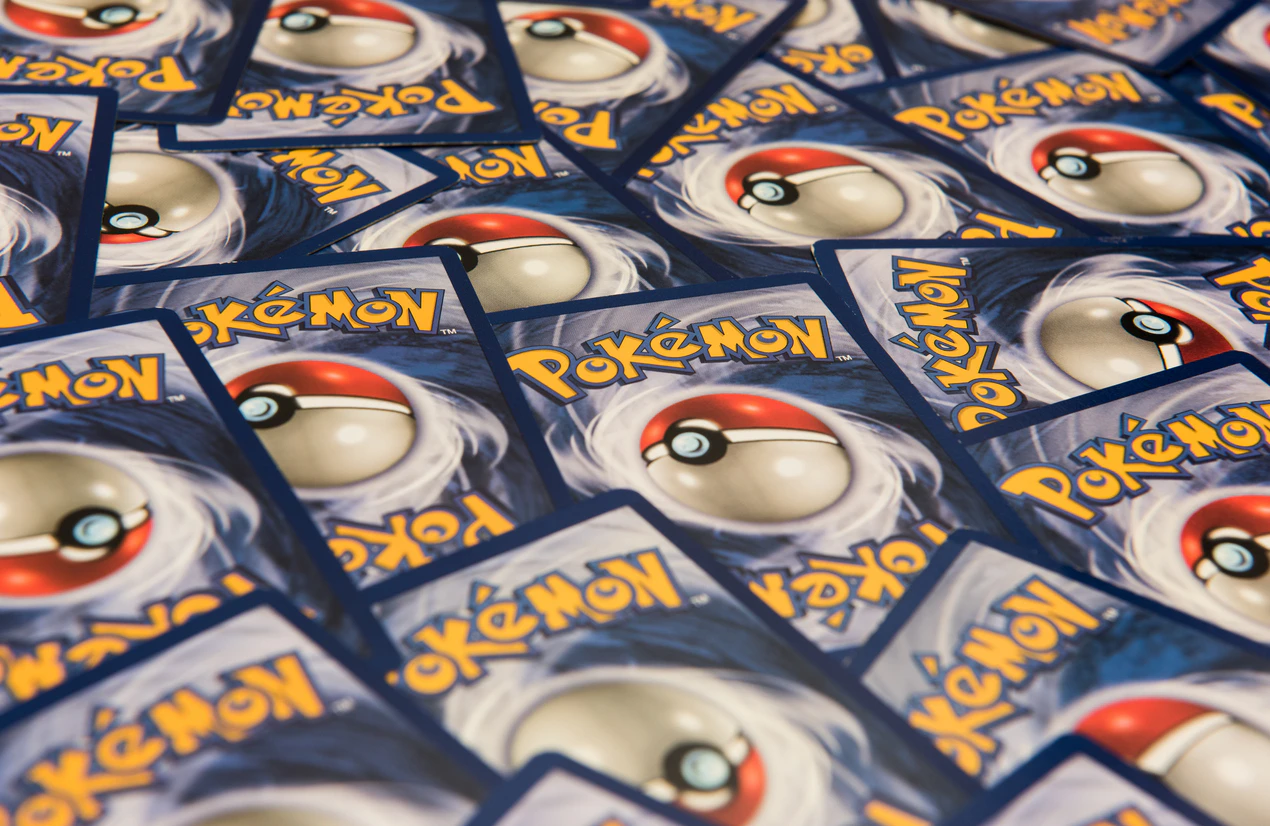
Governor Josh Green sat in his office not long ago — state seal on the wall behind him, American flag at his side — and ripped open a Pokémon pack. Kamaka Dias, host of the Keep It Aloha podcast, brought the cards. Green played along like a good sport. He pulled a card, looked at it, and asked the obvious question: “Kirlia. Is that a good card? Is it worth anything?”
It was, in its way, a perfectly pleasant moment.
Pokémon was part of many people’s childhoods, and there is genuine community in the hobby — the game, the art, the accumulated lore of it. Card shops are busy on weekends. A pack runs 10 dollars or so. You tear it open hoping to pull a "rare" — a card worth 10 times what you paid, or a 100 times, if fortune cooperates. Most packs don’t.
Pack ripping is, if we are being precise, a way of paying money in order to feel the possibility of winning money. You pay for the chance, knowing the odds are against you, and if you lose you are invited to try again. That is not “collecting” in the old sense. That is a slot machine. The packaging is more charming.
Pokémon is only the most whimsical costume this particular habit has worn. During the Robinhood.com era of 2020 and 2021, millions of regular people started “investing” in meme stocks. The ticker symbols — GME, AMC — changed. The feeling didn’t. It wasn’t really investing. Nobody was analyzing balance sheets. The app was designed to feel like a game. And many people lost real money chasing a feeling.
Sports betting — DraftKings, FanDuel — follows the same logic in a different jersey. The pitch is that you’re watching the game with “skin in it.” That your knowledge of the sport makes it skill-based. Maybe, a little. But the house still wins, and everyone who uses these apps long enough finds that out. Hawai‘i has kept sports betting illegal. Yet it continues.
What we are describing, in all three cases, is the selling of hope — at a small markup, on unfavorable terms.
If you would wince telling a friend you lost two hundred dollars at the slots, you already know what to think about this.
But “I dropped $200 ripping packs last weekend” sounds different. It sounds like a hobby.
The card stock doesn’t change the math. No value was created. Money moved, mostly toward whoever sold you the pack. The author of Proverbs observed, some time ago, that wealth chased in a hurry tends to vanish.
The Tenth Commandment forbids grasping and requires its opposite: contentment. Not the gritted-teeth variety. The real kind, which is rarer than we like to admit. Anyone who needs to open a pack to feel better about their Saturday has not yet acquired it.
The cards are not the problem. They are a symptom of a particular itch that most of us have, and would prefer not to examine too closely.
Contentment is not the same thing as giving up. It is not the resignation of a man who has stopped wanting things. It is the settled confidence that what he has meets his needs. The Apostle Paul says he learned contentment. That is worth taking seriously. It does not require a winning pull to arrive.
Green asked if the card was worth anything. It probably wasn’t. It was a bit of fun. The first pull often is.


