Just before 11:30 on Friday morning, four people were stranded in a canal where Mānoa and Pālolo streams meet in Mōʻiliʻili. The water was rising. Fallen trees and a flooding drainage ditch had cut off any path out. They tried boosting each other up. It didn’t work. The Honolulu Fire Department arrived with a ladder, and one by one they climbed to street level.
Minutes later, one block away on Kapi‘olani Boulevard, more people were found under a bridge, holding onto pillars as the water rose around them. HFD pulled a dog up and over the railing first, then its owner, then the others. EMS checked everyone for hypothermia. The Crisis Outreach Response and Engagement (CORE) team — which had been running around the clock since Thursday — transported them to a shelter.
Credit where it’s due. The Kona Low was tracked days in advance. Warnings were issued. Shelters were opened before the storm arrived. The CORE team was already in the streets when the first rescue call came in, not scrambling to catch up. What happened under that bridge on Friday was not luck. It was the result of decisions made earlier in the week by people doing their jobs well before anyone was in danger.
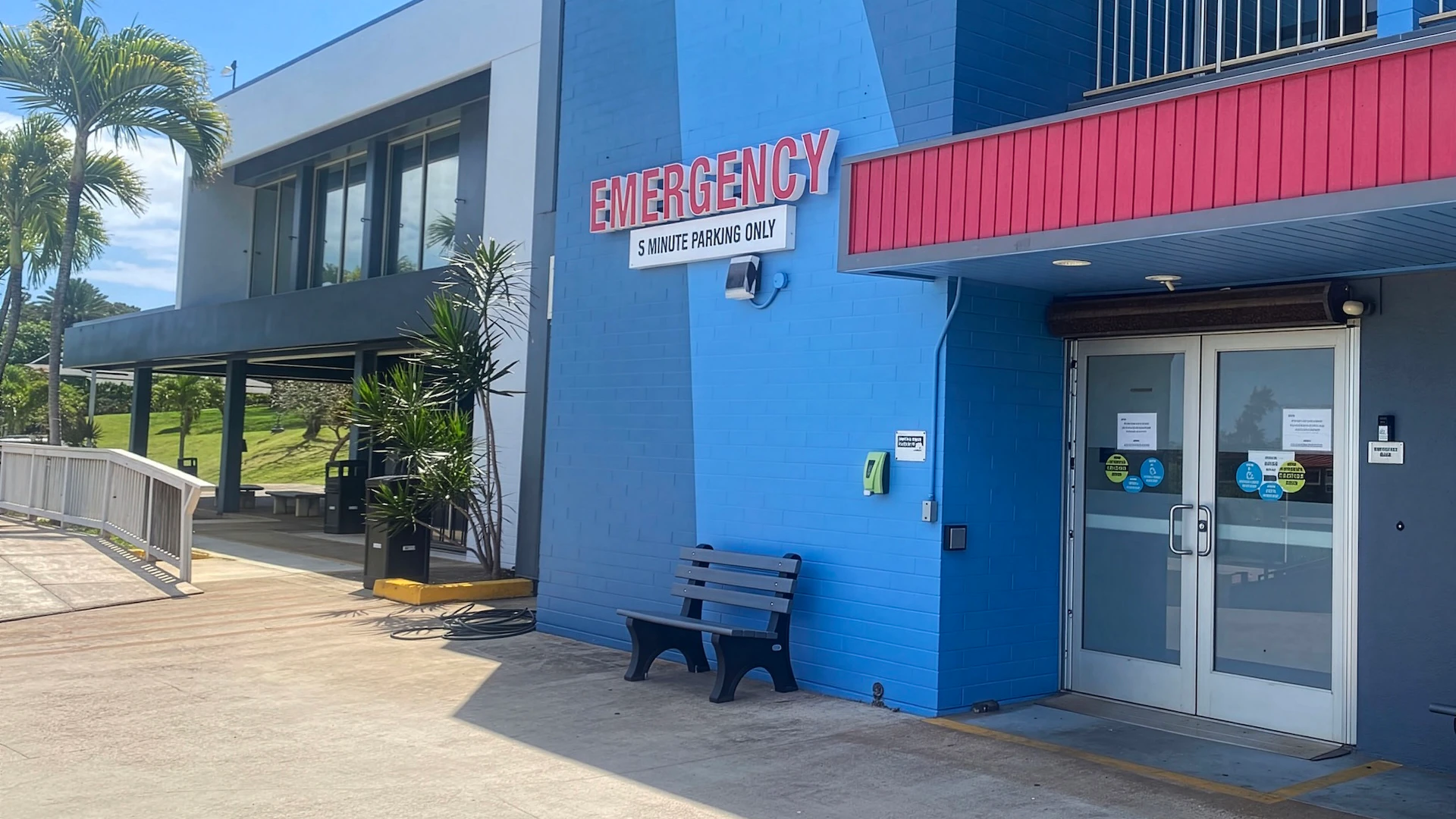
Later in the day, Hawai‘i Kai and East Honolulu lost power. Hawaiian Electric carries electricity to Windward O‘ahu and East Honolulu through three high-voltage transmission lines over the Koʻolau mountains. The storm damaged two of them. The third had already been down since February. To fix it requires a specialized helicopter. The helicopter has not been available.
The historian Joseph Tainter spent much of his career studying why complex societies fail. One of his more uncomfortable conclusions was simply this: the more layers a system accumulates, the more ways it has to fail.
The electrical transmission lines that darkened East Honolulu are not fragile because someone was careless. They are fragile by nature — long, exposed, stretched across terrain that can’t be reached in bad weather. A line can bear a great deal. It cannot bear everything.
Once a line is broken, what does it take to repair it? An electrical lineman in a bucket truck, if it’s overhead on poles. A bit of light if it’s underground. But if it’s on a mountaintop, surrounded by tropical rainforest, and the wind is blowing at 50 m.p.h.? Good luck.
By contrast, it’s relatively simple (though not easy) to pull someone out of a flooding stream.
Disaster response depends on the forecaster who tracked the low, the firefighter who carried the ladder to the stream bank, the CORE worker already in the streets before the first call came in — and the people who procure helicopters.
But disaster response also relies on the neighbor who pulled a stranger's car out of a flooded intersection, and the family that opened their house to friends who had nowhere to go. None of that shows up in any agency report.
The people who kept the system from breaking were not only the ones in the field. They were also the ones who never needed a rescue in the first place — the household with water stored and a plan made, the family that could ride out a multi-day outage without placing one more demand on a network already running at its limits.
The prepared household did not merely protect itself. It freed up a ladder crew for someone clinging to a pillar on Kapi‘olani Boulevard. Preparation is not an end in itself. It is the precondition for being useful to someone else.
It is not systems that save lives, but people.