While the state Board of Land and Natural Resources agreed Friday to acquire lands surrounding the Wahiawā Reservoir, it wasn’t without some trepidation.
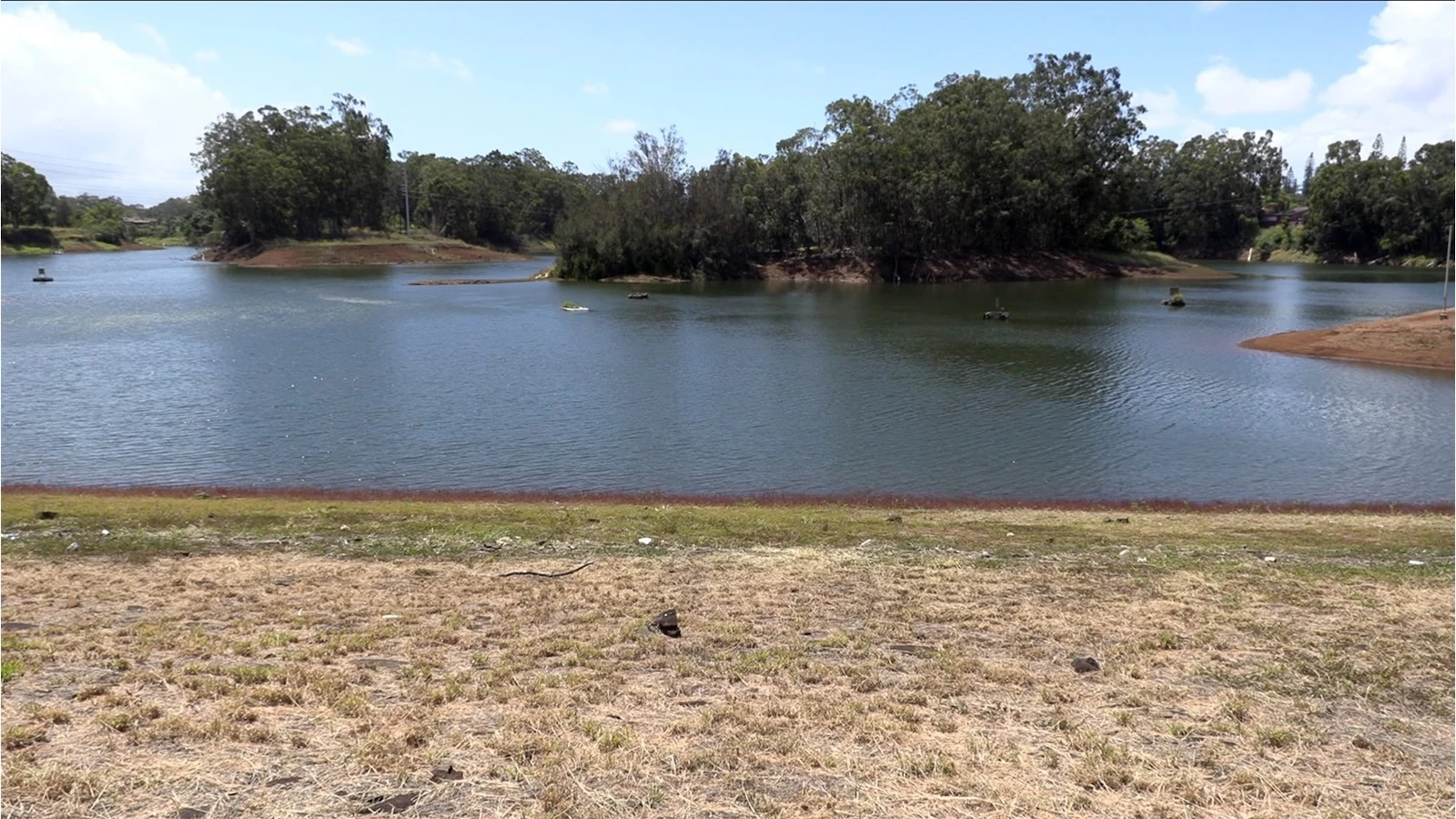
In the first stage of a multi-agency acquisition of most of the Wahiawā Irrigation System, the BLNR agreed on Friday that the DLNR will take over several parcels of land surrounding Wahiawā Reservoir, also called Lake Wilson, which are currently owned by Dole Food Company.
The acquisition was initially set to take place two weeks prior, but was postponed due to the first of the two Kona low storms that nearly drove the Wahiawā Dam to its limits.
The dam itself is not included in those parcels; the Agribusiness Development Corporation will decide on March 31 whether it will acquire the parcels containing the dam and its spillway. However, the dam and spillway still dominated much of the BLNR’s discussion on Friday.
Lauren Yasaka, the Department of Land and Natural Resources’ director of land management, told the board acquiring the land is a “damned if you do, damned if you don’t situation,” as refusing the land transfer would lead Dole to decommission the dam, crippling agricultural production across thousands of acres.
Jared Gale, chief legal officer for Dole, told the Board that the dam and spillway still function as intended and that Dole has not been negligent in maintaining the structure. Nonetheless, he said Dole had not gone forward with a project to widen the spillway — required under revised safety standards — because such an investment would be moot before an imminent transfer of the land.
Dole’s failure to address the spillway came under scrutiny last week when the Kona low storm brought water levels at the reservoir mere feet from the top of the dam.
But with Dole unwilling to make those improvements, Gale confirmed that if the land transfer failed, the company’s next logical move would be the decommissioning of the dam.
Wendy Gady, executive director of the Agribusiness Development Corporation, exhorted the board to approve the transaction, describing what would happen were the dam to be decommissioned.
“9,000 acres, they are not going to farm,” Gady said. “They cannot farm. You are lucky if, six months out of the year, you have rain … You have just put 50 of our farmers out of business.”
But board member Wesley “Kaiwi” Yoon disagreed with Gady’s rhetoric, telling her it was “unfair” to lay the impacts of potential decommissioning on the board’s shoulders, and that it would instead be the result of years of management decisions by Dole.
While Yasaka said a bill in the state Legislature would appropriate $14 million for irrigation maintenance statewide, Yoon said he believes the cost to the state to remediate soil contamination in several of the parcels could exceed that allocation.
Yoon also criticized Dole’s decision to suspend work on the dam, suggesting that the company should have instead “continued the projects in good faith as the board recommended back in 2021.”
In any event, Yoon was the only board member to vote against the acquisition, with the other six voting in favor. While Dole, the BLNR, the ADC and the state of Hawai‘i must still sign a transfer agreement for the lands, all properties, including the dam, must be transferred to the state by the end of June to meet a legislative deadline.
For the latest news of Hawai‘i, sign up here for our free Daily Edition newsletter.