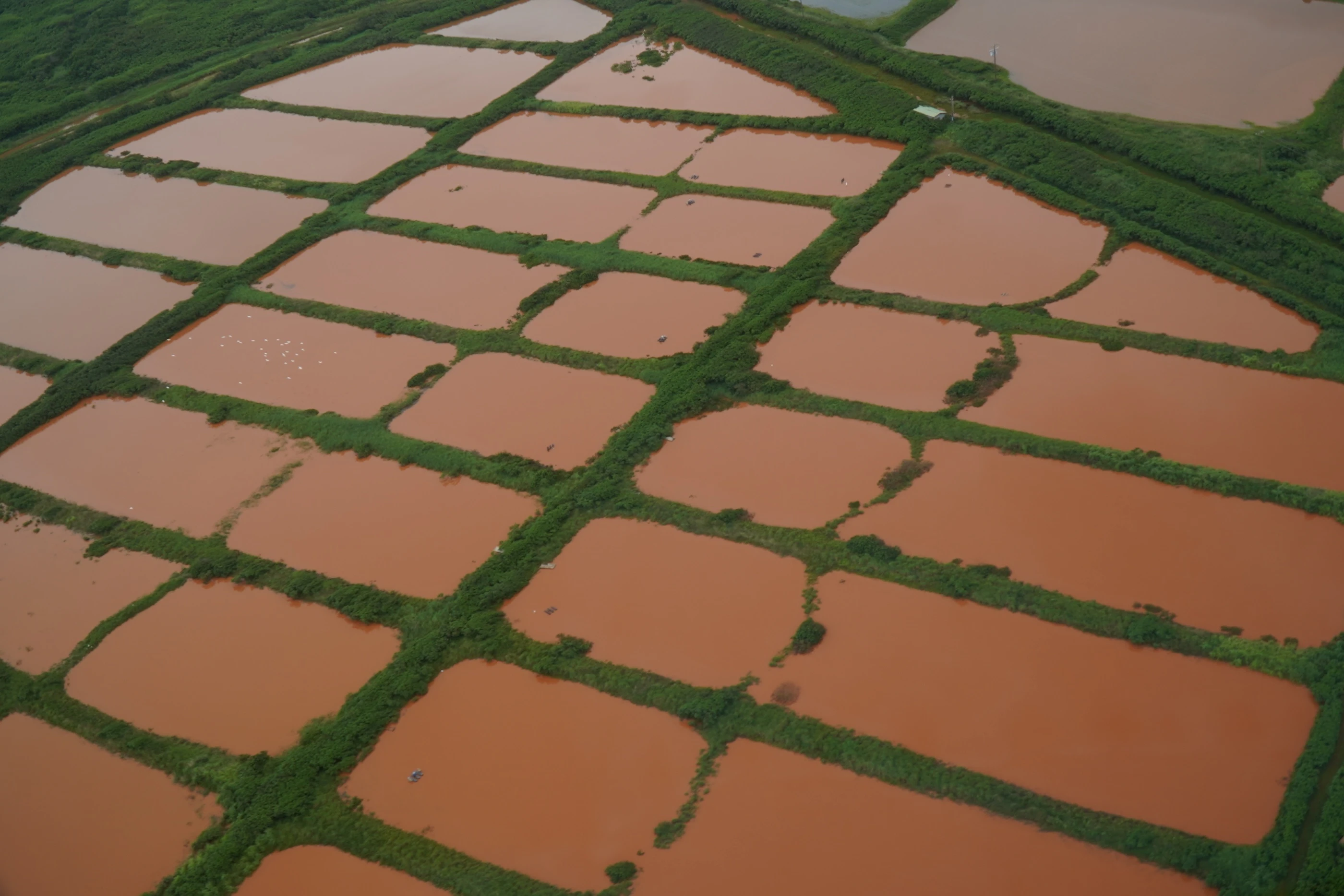
The damage to Hawai’i farmers caused by March’s Kona low storms could be nearly $70 million and counting.
State lawmakers held a briefing Wednesday to discuss the agricultural impacts of the March storms throughout the state. As of Tuesday, more than 380 farmers had reported via a Hawai’i Farmers Union survey a cumulative total of $23 million in storm damage so far, said Amanda Shaw, director of food services for the O’ahu Resource Conservation and Development Council.
But, Shaw added, those reported damages are only a fraction of the true damage to Hawai’i agriculture.
“Storms don’t just damage crops in the ground right now,” Shaw said. “They damage infrastructure, soil, equipment and the people farming.”
Brian Miyamoto, executive director of the Hawai’i Farm Bureau, said farms mere days away from harvest have seen their entire crops wiped out, losing vast amounts of up-front investment in land, water, seeds, fuel and labor.
Based on potential damage to lost crops and lost future productivity, Shaw said the current estimated total damage could be multiplied two- or even threefold, up to $69 million. Of course, she went on, that number is likely higher still, as more farmers will likely continue to report additional damage as time goes on.
According to the Hawai’i Farmers Union survey, the greatest damage reported so far has been on O’ahu, where 150 farmers have reported more than $13 million in damage.
However, Hunter Heavilin, advocacy director for the Hawai’i Farmers Union, said the vast majority of farmers do not have insurance to cover crop loss: only 4% of farmers on O’ahu are insured, he said. And while 15% of farmers on Hawai’i Island carry insurance, most of those cases are large-scale coffee and Macadamia nut operations, while smaller-scale farmers lack coverage.
Heavilin said agriculture in Hawai’i was already in a rocky place before the storms: between 2017 and 2022, the state has lost more than 700 farms, while the suicide rate for farmers and fishers is three times higher than that of the general population, he said.
Still further, Suzanne Shriner, executive director of the Synergistic Hawai’i Agriculture Council, said flooding has washed away fertile topsoil, leached away nutrients from the ground and helped to spread invasive pests. She said her council has applied for a U.S. Department of Agriculture grant to help determine the extent of soil damage and pest spread.
Miyamoto said the clearest path toward recovery hinges on President Donald Trump making a disaster declaration regarding the storms, which would make the state eligible for a wide range of federal disaster relief funds.
While Gov. Josh Green has submitted a request for such a declaration, it has not yet been made.
“Without that declaration, programs must be accessed individually, agency-by-agency, which slows down delivery of assistance,” Miyamoto said. “It can happen … but many of these programs are limited in scope, take time to access or require producer to already be enrolled.”
In the meantime, Dean Matsukawa, deputy director of the Department of Agriculture and Biosecurity said current borrowers enrolled in the department’s agricultural loan program will be offered payment waivers for short-term payment relief. The department is also offering emergency loans of up to $100,000 at a 3% interest rate, with applications open until the end of September.
Heavilin also mentioned a series of still-alive bills in the state Legislature that could feasibly offer support for farmers. These include:
• House Bill 1707, which would establish a program within the Department of Agriculture and Biosecurity whereby eligible farmers could have up to 50% of their annual costs to transport crops and livestock reimbursed. The Senate Ways and Means Committee briefly discussed the bill Wednesday, but deferred any decision on it until next Monday.
• HB 2594, which requires DAB to conduct a study on insurance coverage and availability for small agricultural producers. The bill has been referred to the Senate Ways and Means Committee, but no hearing date has been scheduled.
• Senate Bill 2110, which would fund a “conservation agriculture and soil health incentive program” which would help small farms improve soil health, reduce erosion and nutrient runoff, and more. The bill passed second reading at the House on Monday, but still must pass a yet-unscheduled hearing of the House Finance Committee.
• HB 2548, which would establish a Climate-Resilient Food Systems Grant Program within DAB, whereby farmers could apply for funding toward purchasing new equipment, hiring and training new personnel and more. The bill has been referred to the Senate Ways and Means Committee, but no hearing date has been scheduled.
For the latest news of Hawai‘i, sign up here for our free Daily Edition newsletter.