Stand-up comedian Tumua is doing crowd work somewhere on the Mainland, and he calls on a white guy from the audience. The guy is from Kauaʻi, not born and raised, but “flown there, grown there.” He hasn’t lived there in nine years. While Tumua works the crowd, the guy shouts “chee hoo.” Tumua says, “That’s a solid chee hoo, man.” He does it again. Tumua has to shush him.
It’s a small moment, and Tumua plays it off with dry affection. The guy is playing out what he remembers of a place he left nine years ago. Much of the crowd never lived there at all.
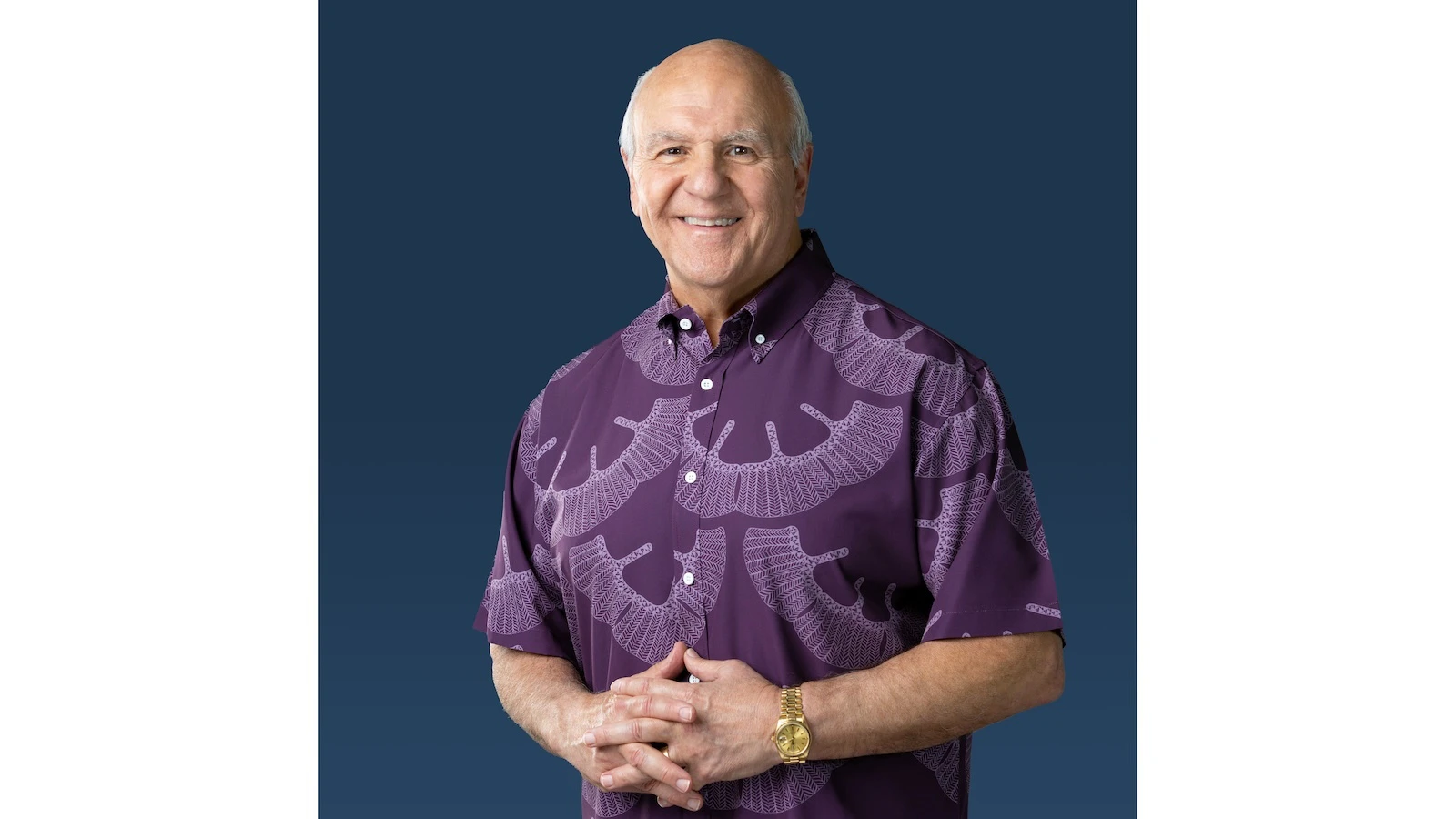
Frank De Lima didn’t have that problem performing locally. Most of his audience hadn’t left. They were in the room — sharing the same plate lunch memories, cringing at the same accents, laughing because every joke was an inside joke. This wasn’t an introduction to local culture. It was a reminder, a celebration, even a reinforcement.
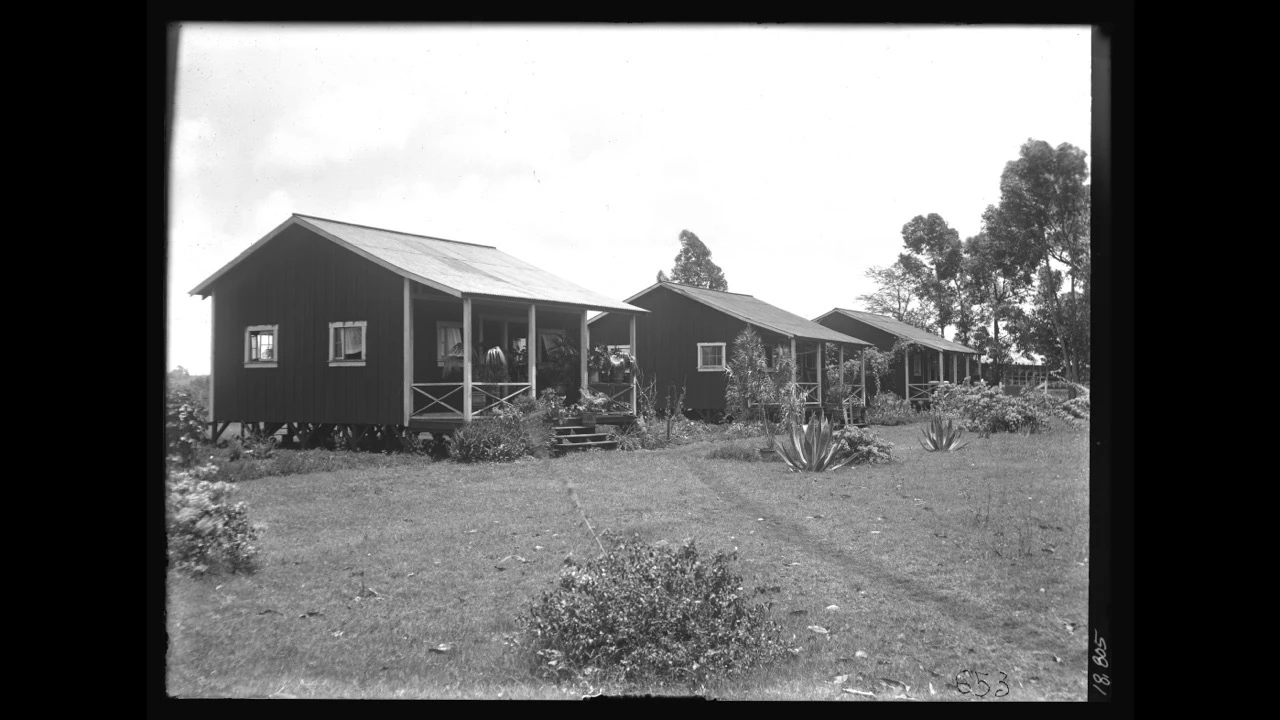
The plantation village was a truly different kind of place — shared land, shared labor, ethnic groups pressed close together with no way out. Filipinos, Japanese, Chinese, Portuguese, and Hawaiians were all crowded into the same neighborhoods and schools. What came out of it — the food, the humor, the pidgin — came from people who couldn’t opt out of each other.
Even as that world was dissolving, people reached back for its symbols. By 1978, a political movement called Palaka Power had taken the plantation worker’s cloth as its name — a clear link to the past. The Palaka Power manifesto said so plainly. The writers also noted, in the same breath: the ILWU was declining, sugar and pine would soon be gone, the Democrats of the ‘54 Revolution had mostly left the arena. They chose the symbol precisely because the reality was already receding. The myth was always partly constructed. But it was backed, then, by people who had actually worn the cloth.
The built world that replaced the plantation village included public housing, suburbs, and apartments. The Mainland has all of those. And then came radio, television, the internet, smartphones, and eventually TikTok.
Stand in the Sandy Beach parking lot on a Saturday. A kid near the lifeguard stand is hitting a vape and dancing to a song trending in Atlanta. The shaka sticker on the bumper is working harder than it used to. But social media didn’t cause any of this. It arrived to find the flattening of culture mostly finished and has been tracking it ever since.
The audience for local content skews diaspora: Aunties in Vallejo, Kalihi kids now in Las Vegas, people holding onto something they can’t quite name.
Nostalgia is real. But it runs in one direction. You can package a memory and ship it to Fresno. What you can’t do is put it back. A friend put it plainly: are we our own cover band?
Distinct cultures are not accidents. They grow from particular people living side by side. The plantation village wasn’t a brand. It was a neighborhood. The shaka sticker can travel, but the neighborhood can’t. Something real is lost when a place becomes content.
The white guy from Kauaʻi isn’t faking. He’s reaching for something he actually had, once. What is it, exactly? The memory of a place, a people. The kind of memory that swells within and erupts in shouts — or tears. It’s the memory that many hold of Hawai‘i, even those who visited only for a week.
Nostalgia can become sinful when we deceive ourselves. It’s easy to romanticize farm labor from the comfort of air-conditioned offices, but the plantations were not a paradise. And neither is Hawai‘i. The past is worth a visit, but no place to make a home.
That’s a solid chee hoo, man — but once is enough. Shush.