With a dollar-for-dollar matching contribution of up to $100,000 from an anonymous donor secured by Aloha State Daily, as well as support from individual donors and partners, the Hawai‘i Farmers Union Foundation (HFUF) has launched the Hawaiʻi Flood Response Fund to help Hawai‘i’s farmers and rural communities recovering from severe flooding. This critical assistance is already providing emergency relief and restoring farms and food access.
Last month, communities across Hawai‘i were devastated by Kona Low storms that brought heavy rains and high winds, causing millions of dollars in damage. Farmers were among the hardest hit. Initial reports by the Hawai‘i Farmers Union (HFU) show a total of $23 million in damage spanning more than 380 farmers statewide; however, agriculture industry officials say the losses are likely tens of millions more.
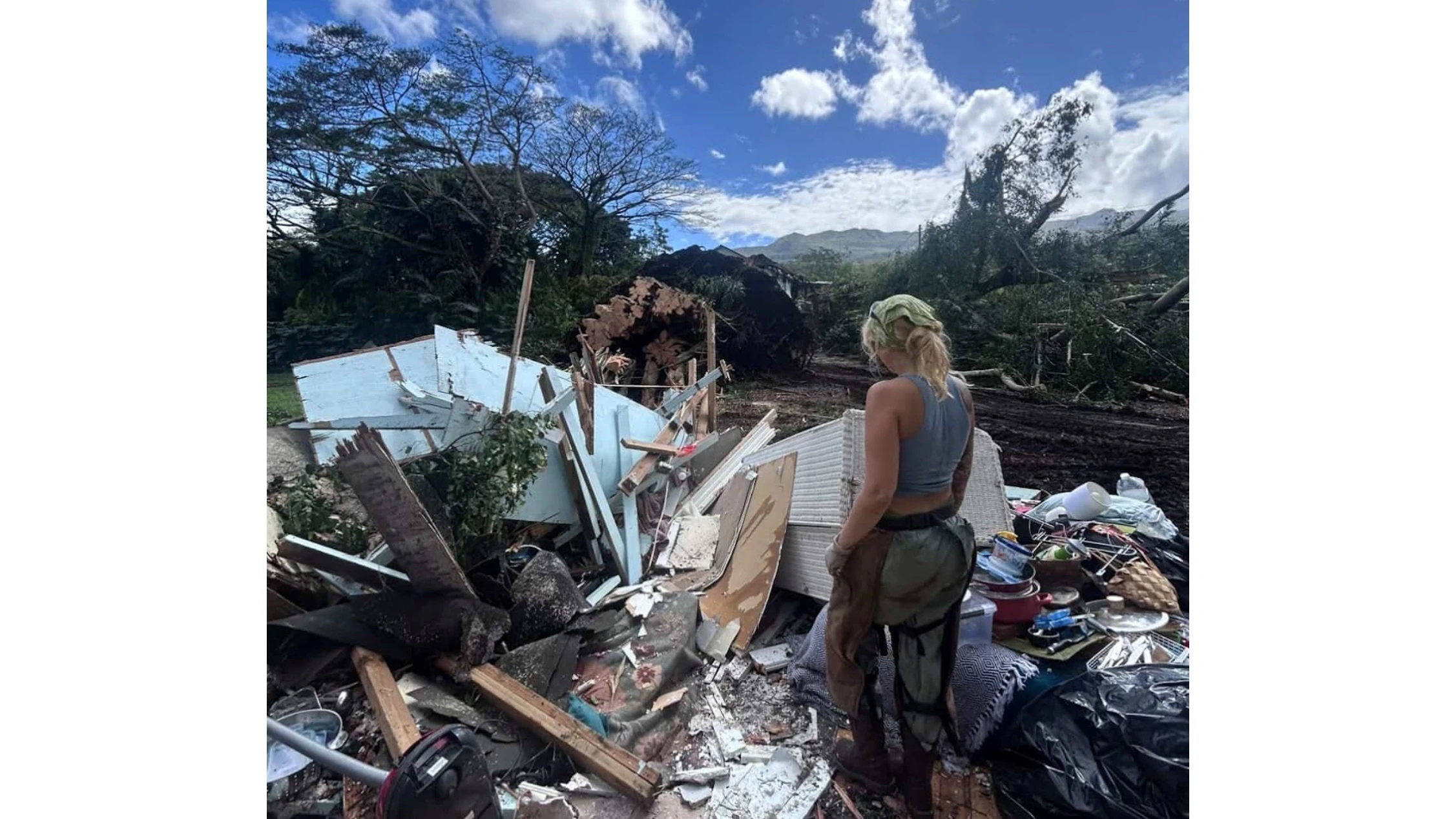
Damage at Hāna Tropicals, Maui. (Hawai‘i Farmers Union Foundation) 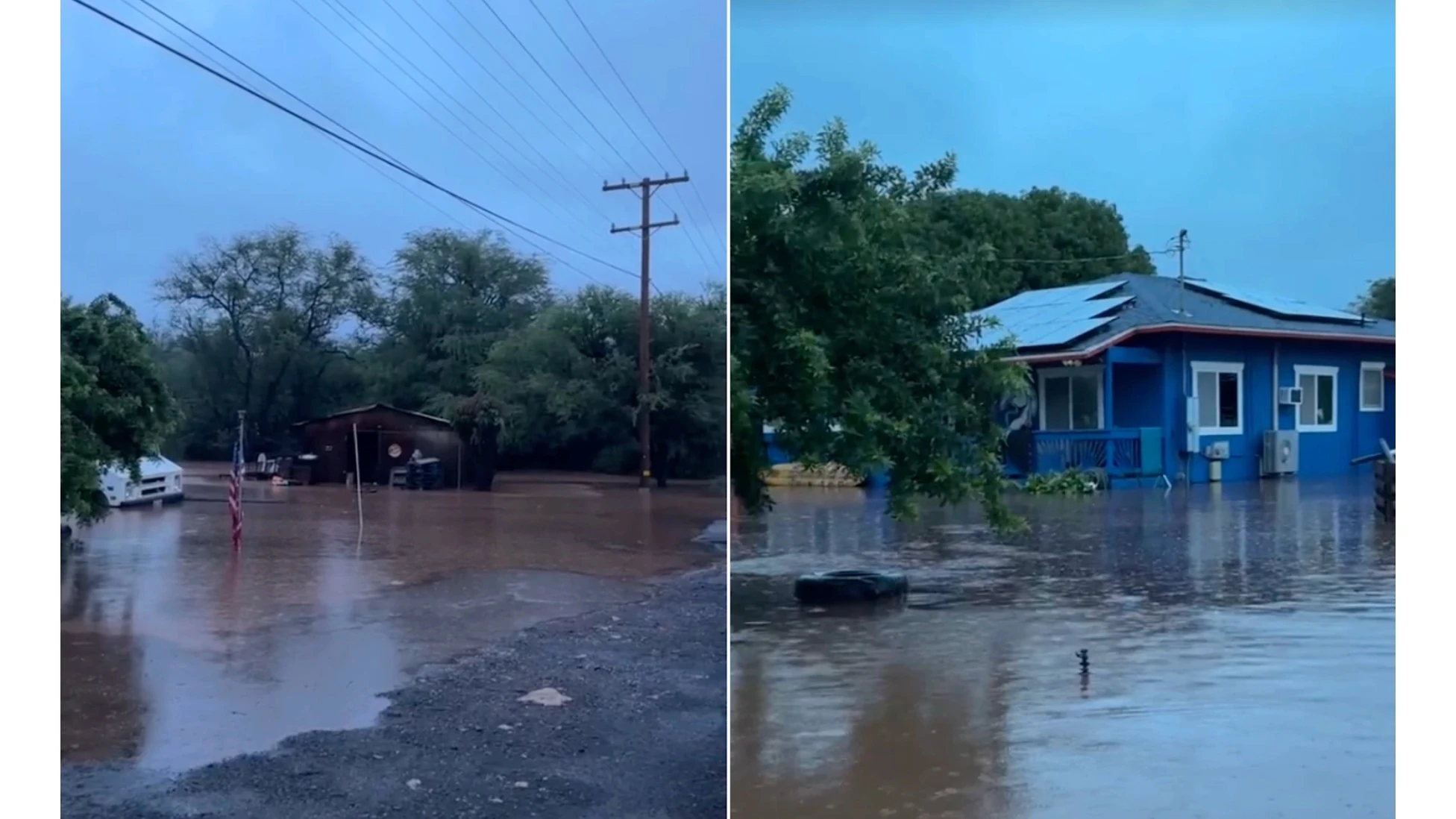
Kona Low flooding at Molokai's Naike's Kine farm, owned by Nani and Mike Kahinu. (Hawai‘i Farmers Union Foundation)
In addition to losing crops and fertile topsoil, farmers are experiencing severe impacts such as flooded fields, and damaged homes and equipment. Recovering their upfront expenses in materials and labor will be difficult if not impossible – only a small fraction of Hawai‘i farmers have insurance for crop loss.
Importantly, the fund will support the long-term recovery of Hawai‘i’s local food systems, which have rapidly declined in recent years. Between 2017 and 2022, Hawai‘i has lost more than 700 farms, while approximately 90% of Hawai‘i’s food is imported.
“Farmers are experiencing real losses right now — from washed-out fields to damaged infrastructure — and they need support that moves quickly,” said Kirsten Ham, COO of the Hawai‘i Farmers Union and Foundation. “This matching effort helps us provide fast, unrestricted relief so farmers can begin rebuilding and continue feeding their communities."
Founded in 2010, the grassroots, member-driven nonprofit HFU advocates for the sovereign rights of family farmers, ranchers, and fishers to create regenerative and sustainable agricultural communities that benefit the people of Hawaiʻi through education, cooperation and legislation. HFUF, the sister organization, provides charitable and educational outreach.
The organization has long worked alongside community partners to support disaster response and recovery across Hawaiʻi. Following the Maui wildfires, HFU President Kaipo Kekona helped establish a community response hub through HFUF in West Maui that distributed over $10 million in critical supplies and thousands of pounds of fresh food to families in need.
Mahalo for helping us mobilize once again. Together, we can ensure Hawaiʻi’s farmers have the support they need to rebuild and continue feeding our islands.
To learn more and support Hawai‘i’s farmers, visit Kona Low Farmer Recovery Fund. To donate to the fund and have that donation matched by Aloha State Daily's donor, please visit its official gofundme.com page.
All donations made to the foundation are tax deductible. Impacted farmers seeking support should contact hfuu@hfuu.org.
Christian Zuckerman is the vice president of the Hawai‘i Farmers Union and CFO of the Hawai‘i Farmers Union Foundation.
For the latest news of Hawai‘i, sign up here for our free Daily Edition newsletter.