A series of new state rules to protect indigenous wildlife is up for public review.
The Department of Land and Natural Resources has proposed amendments to the state’s administrative rules concerning indigenous and endangered wildlife, in an effort to increase local protections for native flora and fauna.
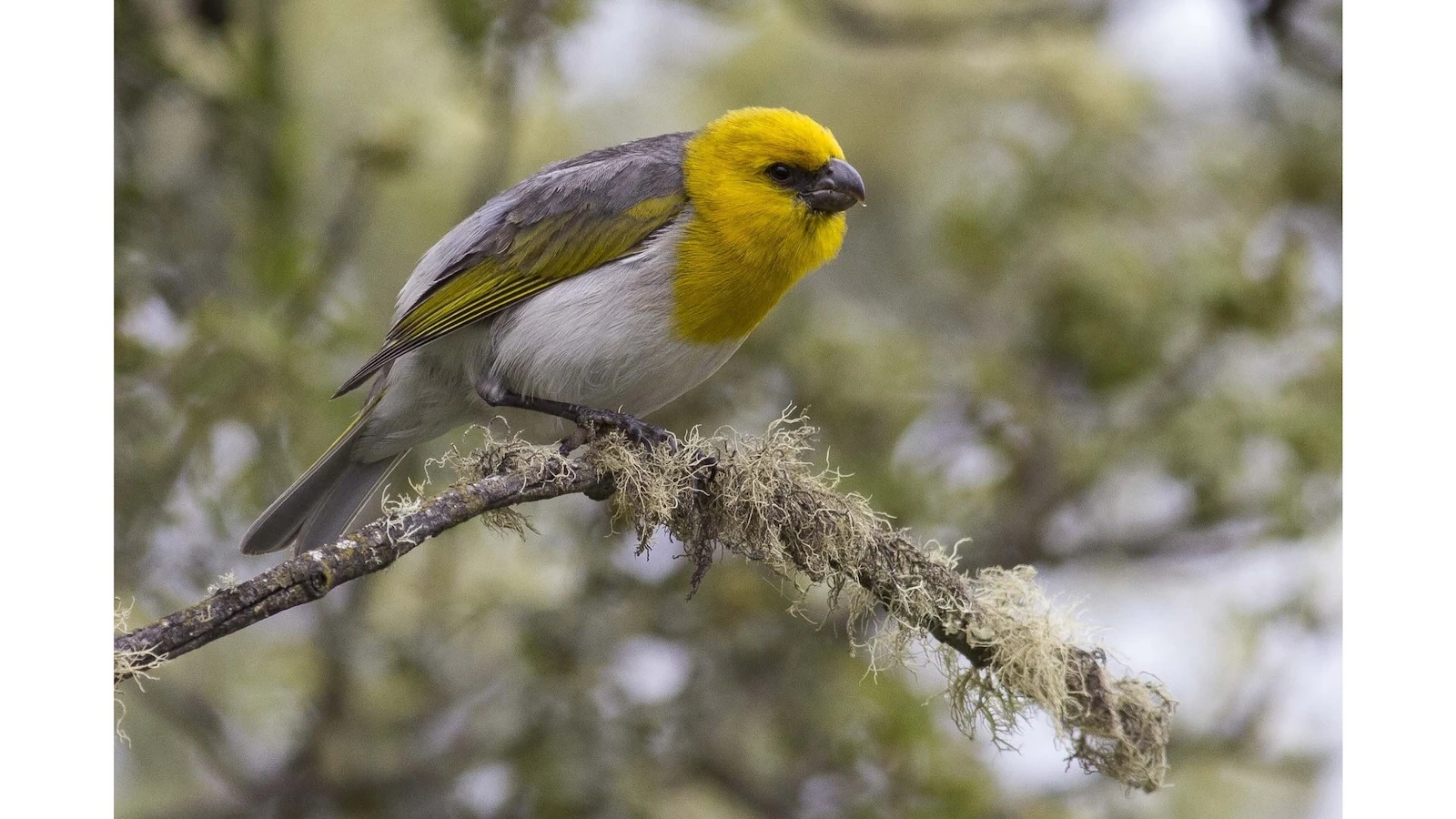
Among the proposed rules are an extended list of prohibited activities with respect to indigenous wildlife. For example, the new rules specifically prohibit the “take” of indigenous wildlife, an umbrella term which includes harming or harassing animals, where current rules only prohibit catching, possessing, injuring, killing, selling or transporting such species.
Other changes include a prohibition against “significantly [modifying or degrading an animal’s] habitat such that it kills or injures indigenous wildlife.”
“Currently, there are no federal prohibitions on significant modification or degradation of habitat that kills or injures indigenous wildlife that are not federally listed as threatened or endangered species,” reads the DLNR’s rationale for that addition. “[DLNR] interprets state law to extend habitat protections to indigenous wildlife.”
Another new rule prohibits the feeding of indigenous wildlife, as feeding wild animals can sicken them, habituate them to humans, or lead them into harmful areas.
Meanwhile, the new rules also include sections for “introduced wild birds” — which similarly prohibit catching or killing them, but not “taking” them — and “injurious wildlife,” including a list of dozens of “injurious” animal species which are known to be harmful to indigenous species or agriculture.
People are also prohibited from bringing domestic animals onto DLNR lands, unless they are leashed or caged, or from riding horses on DLNR lands. Any domestic animals found running wild on DLNR lands can be impounded and destroyed, under the proposed rules.
The penalties for violating these rules, as outlined in current state conservation laws, would be fines of up to $250 and/or up to one year in jail for a first offense. Furthermore, killing or displacing a threatened species incurs a fine of up to $5,000, or up to $10,000 for an endangered species.
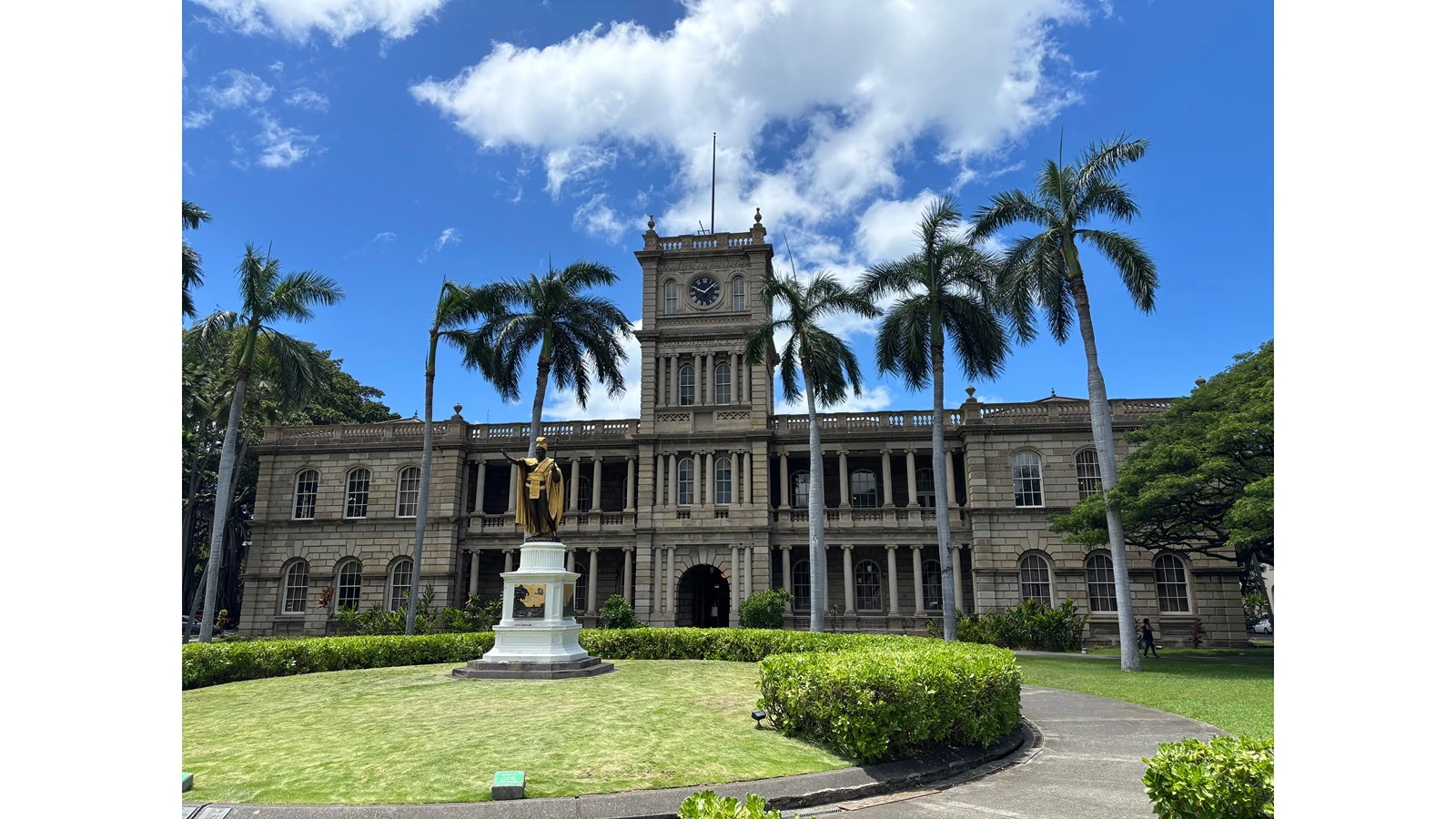
Members of the public are encouraged to submit feedback about the proposed rules either online for written testimony until Aug. 26 or at a public meeting in-person on Aug. 13 from 11 a.m to 1 p.m. at 1151 Punchbowl Street, Room 132 (Kalanimoku Building), in Honolulu.
For the latest news of Hawai‘i, sign up here for our free Daily Edition newsletter.