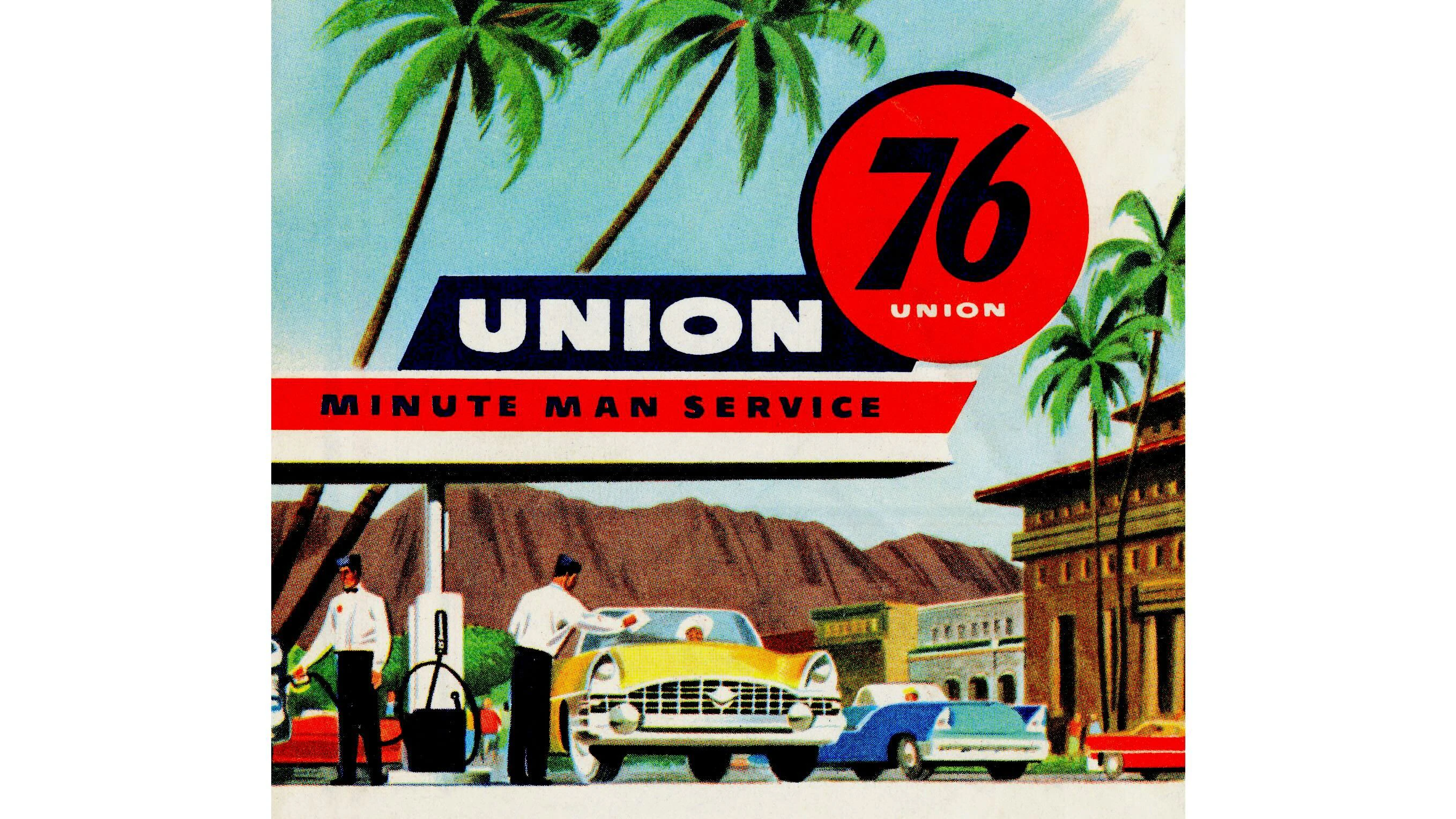
The old Restaurant Row was built in 1988, and popular eateries like Studebaker’s and Black Orchid brought crowds to the plaza. As soon as you parked your car and got out, the mouth-watering smell of burgers and steaks overwhelmed your senses. Many of us remember shooting toothpicks through straws into the ceiling at Rose City Diner. We appreciated the assortment of restaurants open late after a night out. If you worked nearby, dinner at the Row was an easy choice.
But the success of Restaurant Row was short-lived as those restaurants, once popular, began closing their doors due to decreased traffic. Some attribute the slowdown to Aloha Tower Marketplace and Chinatown’s First Fridays. But no matter what the reason, we still have our memories.
And our ghost stories.
Stories of Waterfront Plaza, as it’s now known, begin with the history of the land and what was there long ago. Before the highrises of modern Kaka‘ako were built, this area was part of a coastal landscape of wetlands, fishponds, and salt pans. As Honolulu grew and changed, the place names remind us of what was once there.
Ka‘ākaukukui is an ‘ili, or traditional land division, that was located makai (inland) of Kewalo and west of Kukuluāe‘o. Trails that crossed the region connected Kou (now Honolulu) and Waikīkī. By the time the 20th century rolled about, that landscape had virtually disappeared.
In 1900, the Honolulu Iron Works moved to a block of land at Ka‘ākaukukui. The company had become an important part of Hawaiʻi's sugar industry, manufacturing machinery for sugar mills in Hawaiʻi and elsewhere. At its height, the Iron Works employed approximately 1,500 workers, many of whom lived in Kakaʻako.
As the sugar industry eventually declined, so did the need for the mill parts that the Honolulu Iron Works manufactured. After closing its doors in 1973, its buildings were gradually converted to other uses before being demolished. The final warehouse was torn down in 1982.
In 1985, construction at the former Honolulu Iron Works site uncovered human skeletal remains. The burial pits were found less than three feet below the existing ground surface, within an older sand deposit. Archaeologists associated the burials with Kaʻākaukukui Cemetery, which was said to have been used from the 1700s into the early 1800s.
Today, after more than a century of urban development, there is no visible cemetery marking the site, but that doesn’t mean there are no lingering remnants. Iwi kūpuna, ancestral Native Hawaiian remains, associated with Kaʻākaukukui continue to be found during modern construction and utility work in Kakaʻako.
Perhaps it is no surprise that places with such histories can also become the setting for stories of the unexplained. Over the years, people who have worked in and around this area have reported encounters they could not easily explain.
I published my first book, Haunted Hawaiian Nights, in 2005. Soon after, I did book signings where I also shared ghost stories. At one such occasion, a very tall Hawaiian woman in a business suit approached me and said she was a manager at Restaurant Row. She went on to say she was having trouble keeping security guards employed because they would quit after seeing ghosts and spirits in and around Restaurant Row, which happened at all hours, even in broad daylight.
“These are big, tough Sāmoan and Hawaiian security guards,” she emphasized.
According to this woman, the guards said they saw half-torso apparitions floating through the parking lot, or heard voices calling their names. Worse, they would see spirits of children, covered in bleeding sores.
I was shocked to hear this, as I remembered that my late boss, Glen Grant, talked about the same thing on his ghost tours and in his books.
The manager said there was also a woman they would find crying in the theater bathroom. She went on to say that customers and employees would hear the woman crying miserably in the stall. Security comes and knocks on the door, the door swings open, and a woman is squatting on the floor, covering her face with her two hands, just sobbing. The security guard asks what’s wrong, and the woman removes her hands, and she has no face.
“If this is happening during the day,” I asked. “Then what’s going on at night?”
“If a guard isn’t getting physically assaulted, then something follows them in their car,” she said.
The woman seemed more frustrated than scared because she needed guards day and night to patrol and protect the row. She left before I could get her contact information to follow up. The restaurants all changed, closed, or made way for other businesses, but I often wondered how they finally dealt with the hauntings.
A few years ago, I was doing a personal ghost tour for some staff and students from Hawaii Pacific University. They had just recently moved to their new location at the Waterfront Plaza. I met them near The Row bar, and when I heard about their move, I asked how they liked it so far.
“We need it blessed,” they said. “It’s haunted.”
Apparently, chairs move, computers turn on and off by themselves. The security company calls late at night because they can hear people in the offices talking, but no one is ever found. Someone even said that no one would be sitting at a computer station, but you can see the keys on the keyboard typing away.
I think they were surprised that I wasn’t phased at all by their descriptions. I just nodded and said that the place has been haunted since the beginning.
The authors can be reached at hawaii.mysteries@gmail.com
For the latest news of Hawai‘i, sign up here for our free Daily Edition newsletter.