Last week, I went off on the Legislature for House Bill 1636, which wanted businesses to pay $500 fines when their shopping carts are stolen and dumped. On Jan. 31, the House Committee on Economic Development and Technology held a hearing on the bill.
No one spoke in favor of it. It was opposed by Hawai‘i Food Industry Association, KTA Super Stores, and Retail Merchants of Hawai‘i.
It passed anyway, with seven ayes from Representatives Ilagan, Hussey, Holt, Tam, Templo, Yamashita and Gedeon.
Rep. Greggor Ilagan (D) seemed to be one of the bill's biggest champions, so on Feb. 2, I emailed his office to ask:
"If no one testified in favor, and the only people who participated in the democratic process spoke against the bill, what was the point of advancing it? Seems to me, and probably seems to my readers, like that should have been the end of it. Genuinely interested in hearing more about how this happened."
I've received no reply.
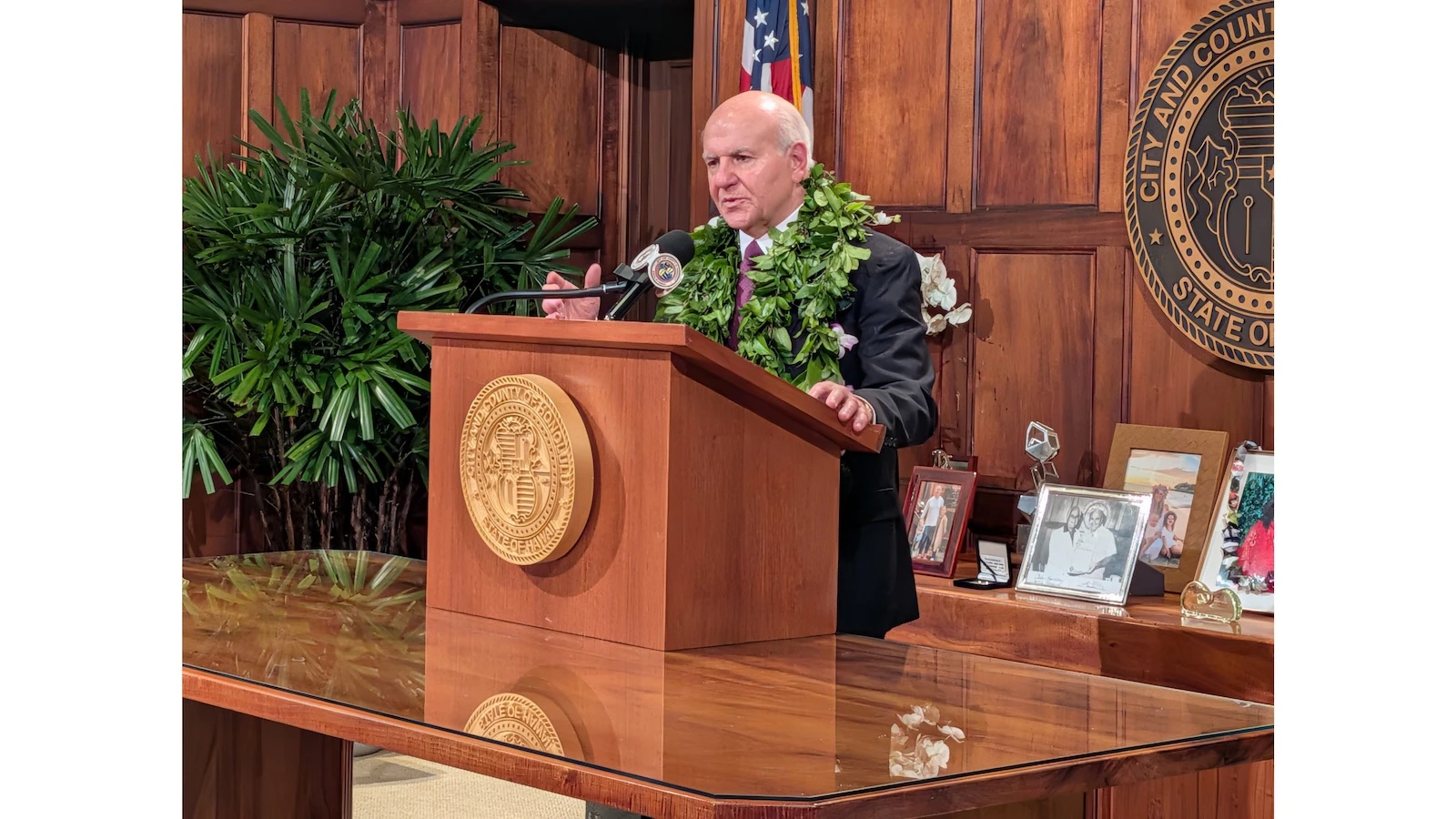
The bill did get amended before being heard in a floor session of the House on Tuesday. You can see Ilagan in this recording of session (at 23 minutes in) being a bit smug about how the new version doesn't punish businesses at all. We love business!
In fact, he said, the new version forbids the counties from fining businesses when their shopping carts are stolen, forbids counties from charging an impound fee. Instead it requires — not merely authorizes, but requires — the counties to set up lots where they can collect the shopping carts and return them to business ... for a fee. A $500 fee, same amount as the fine that isn't a fine anymore because of legislator word magic.
It's not a fine. It's a "buy-back" program now.
The store didn't buy the carts from the government in the first place, in what sense would they be buying them back?
Well, in this sense. Picture it: Your house gets robbed and miracle of miracles, the cops bust the thief who did it and recover your jewelry. Then HPD calls you up and says, "We have your jewelry. We need you to bring $500 to the station right away and we'll release it back to you. No money, no jewelry."
You might think that call was a scam, or perhaps placed by some sort of mafia. But no, it's just the county, oh so helpfully offering you a chance to buy back your own stolen property. This is what the new version proposes, holding stolen property for ransom.
Any pretense at business friendliness from Ilagan was thrown right out the window by Rep. Scot Matayoshi (D), one of the representative who introduced the bill.
At 24 minutes in the video linked above, he said "shopping carts are a blight on our community."
"The cost for removal falls upon usually the city and county or private landowners to remove them and deal with these fairly expensive shopping carts," he said. "What this bill does is it gives the counties, like the previous speaker said, an option to remove them and tries to fund it where we're not trying to do an unfunded mandate here. We're trying to hold the people responsible for allowing these shopping carts to leave the premises — even if they were stolen I would argue the fine should be the same. Measures need to be put in place by the businesses to secure their own property."
Oh. So the bill does still intend to punish businesses. It their fault. They made it too easy.
Yeah, abandoned shopping carts are a blight. They get into the streams, clutter the roadsides. This bill exists, and is being stubbornly defended over public opposition, because lawmakers absolutely will not name the actual culprits who steal and dump the carts and will not do anything about them. Worse still, this bill exists because these same lawmakers, who have failed to maintain any kind of law and order, know full well they will never recover from the homeless the cost of clearing out their stolen carts. The homeless don't have money.
But the businesses do.
And the businesses have addresses. The businesses are law-abiding. The businesses follow the rules and pay every tax demanded of them. So the businesses must pay even more.
That's the mindset of Democrats pushing this bill, so it's moving forward to other committees. Track it, and submit testimony on it, here.
A. Kam Napier is editor in chief of Aloha State Daily. His opinions in Pipikaula Corner are his own and not reflective of the ASD team.
For the latest news of Hawai‘i, sign up here for our free Daily Edition newsletter.
A. Kam Napier can be reached at kam@alohastatedaily.com.