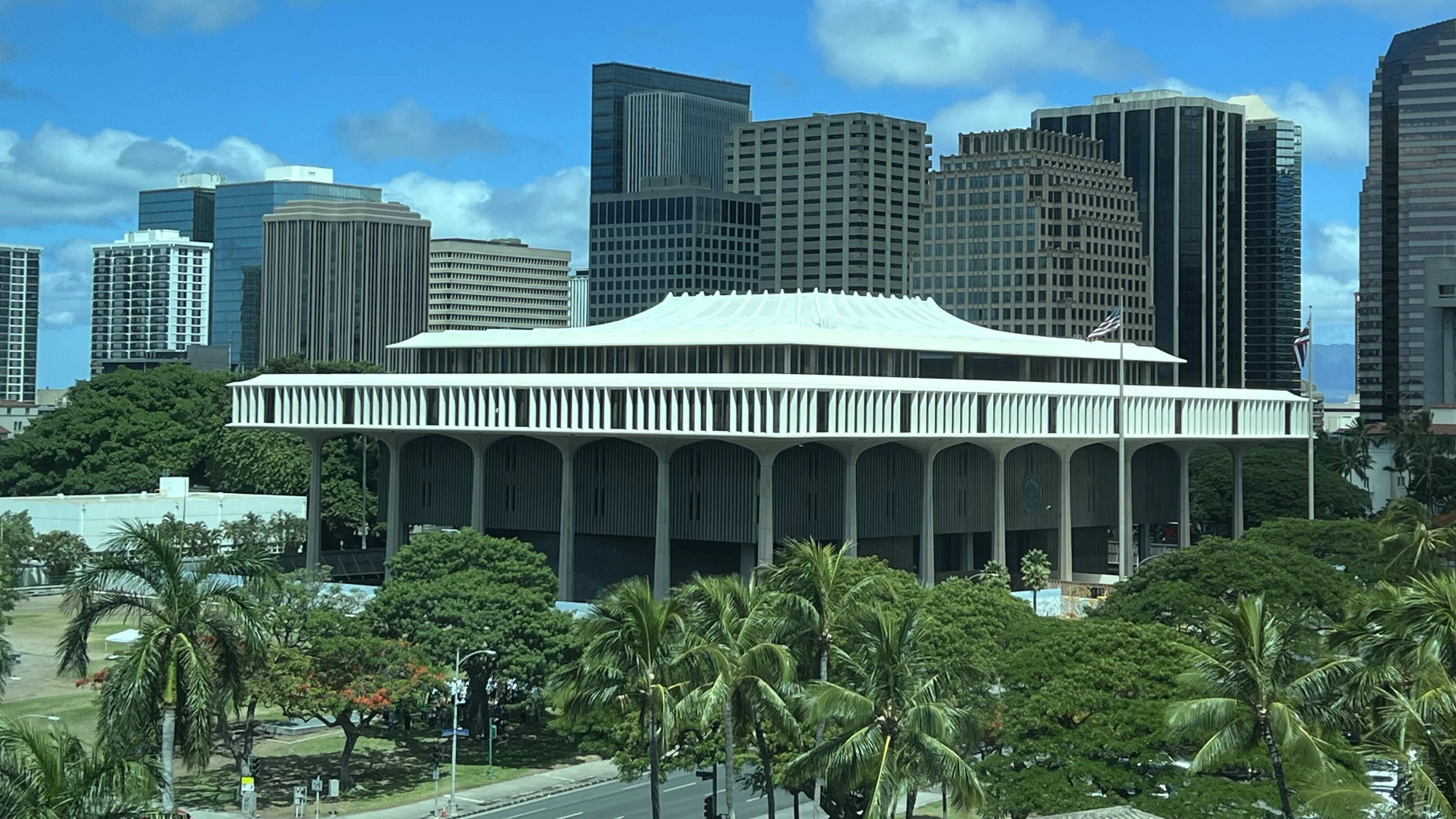
A measure intended to prevent corporations from influencing elections is still going strong in the state legislature.
Senate Bill 2471 sets limits on what it calls “artificial-person powers,” political powers afforded to corporations or similar entities.
Under current state laws, corporations have “the same powers as an individual to do all things necessary or convenient to carry out [their] affairs,” such as the power to file lawsuits, to own property, to make contracts and the like.
Most of those powers would not be impeded by SB 2471. However, the ability of a corporation to be involved in elections or any “ballot-issue activity” would be terminated by the bill. Specifically, this would include the ability for a corporation to pay, donate or otherwise spend money to support or oppose a political campaign, political party, constitutional amendment, charter amendment or any other issue on a ballot.
These limitations would apply to corporations, associations, limited-equity housing cooperatives, limited-liability partnerships and nonprofits. It also applies to “foreign corporations,” which in this case means any corporation formed in other states as well as other countries.
Should any such organization take any action considered to be an election activity, that organization will forfeit all of powers and privileges afforded by the state.
The bill is a response to the 2010 U.S. Supreme Court verdict in the case Citizens United v. Federal Election Commission. The upshot of that verdict was that laws prohibiting political spending by corporations were determined to be a violation of the First Amendment’s protections toward free speech.
A report on the measure by the Senate Judiciary Committee stated that, since the Citizens United verdict, “corporations and other entities have spent large sums of money to influence political campaigns and elections, undermining public trust in the democratic process.” That report added that the Hawai‘i State Constitution allows for the Legislature to “withdraw any corporate or entity powers that the State has conferred.”
The Center for American Progress, a self-described nonpartisan public policy think tank, has testified extensively in favor of the measure, testimony which multiple committees have specifically responded to. In that testimony, CAP senior fellow Tom Moore wrote that corporations only exist because states allow them to by conferring privileges and powers, something that states can change without violating the Citizens United ruling.
Moore wrote that there is a distinction between “powers” and “rights,” whereby SB 2471 limits a corporation’s “powers” but not its “rights”. Instead, he wrote, it simply “defines the powers that Hawai‘i chooses to grant to the artificial entities it creates and authorizes to do business within the state.”
Whether this will actually hold any legal water is unclear. The state Department of the Attorney General has opposed the bill, warning that it will likely be challenged under the Citizens United verdict — something which, the attorney general noted, will likely incur substantial legal fees to be paid by state taxpayers.
“While many Americans strongly disagree with … Citizens United, under our federal system of government, it is our duty to state that this opinion remains the law of the land, irrespective of its merits (or lack thereof),” read the Attorney General’s letter (parenthetical theirs).
During the bill’s most recent committee hearing, on Tuesday, Rep. Scot Matayoshi (D-Kāne‘ohe) said he hopes “we don’t get too smoked in court” should the bill pass.
Matayoshi moved during Tuesday’s meeting of the House Committee on Consumer Protection and Commerce to remove language in the bill differentiating charitable donations and political donations. The current draft of the measure defines “artificial-person powers” as those powers necessary for a corporation to carry out its “lawful, charitable or public-benefit purposes.”
This language, Matayoshi said, would effectively force many nonprofits, unions and veterans associations to lose their nonprofit status if they engaged in any ballot-related donations. If passed, the bill would effectively prohibit political donations by for-profit corporations while allowing it for non-profits and unions.
“It is this committee’s belief that a natural person’s free speech is not impeded by the restriction of corporate speech,” Matayoshi concluded.
The bill passed Tuesday’s committee with no opposition: all committee members present, including Republican Rep. Elijah Pierick (Royal Kunia), voted to recommend the bill’s passage with Matayoshi’s amendments. No legislator has voted against it in committees since its introduction.
The bill must still pass review by the House Committee on Judiciary and Hawaiian Affairs, but that committee has not scheduled any hearing for the bill yet.
For the latest news of Hawai‘i, sign up here for our free Daily Edition newsletter.