

Last month, the Hawai'i Alliance of Nonprofit Organizations, or HANO — a nonprofit whose mission is to strengthen the nonprofit sector to improve the quality of life in Hawaiʻi — released “The View From Here: Insights From Hawai'i Nonprofits,” which is described as “one of the most comprehensive looks at the state’s nonprofit community to date.”
“Hawai'i's nonprofit sector is critical to our state's social and economic well-being, representing 8,037 registered charitable organizations, employing more than 1 in 10 workers, and generating $45.4 billion in economic output,” according to HANO. “Across every island, nonprofits continue to demonstrate resilience, creativity and deep commitment to the communities they serve.”
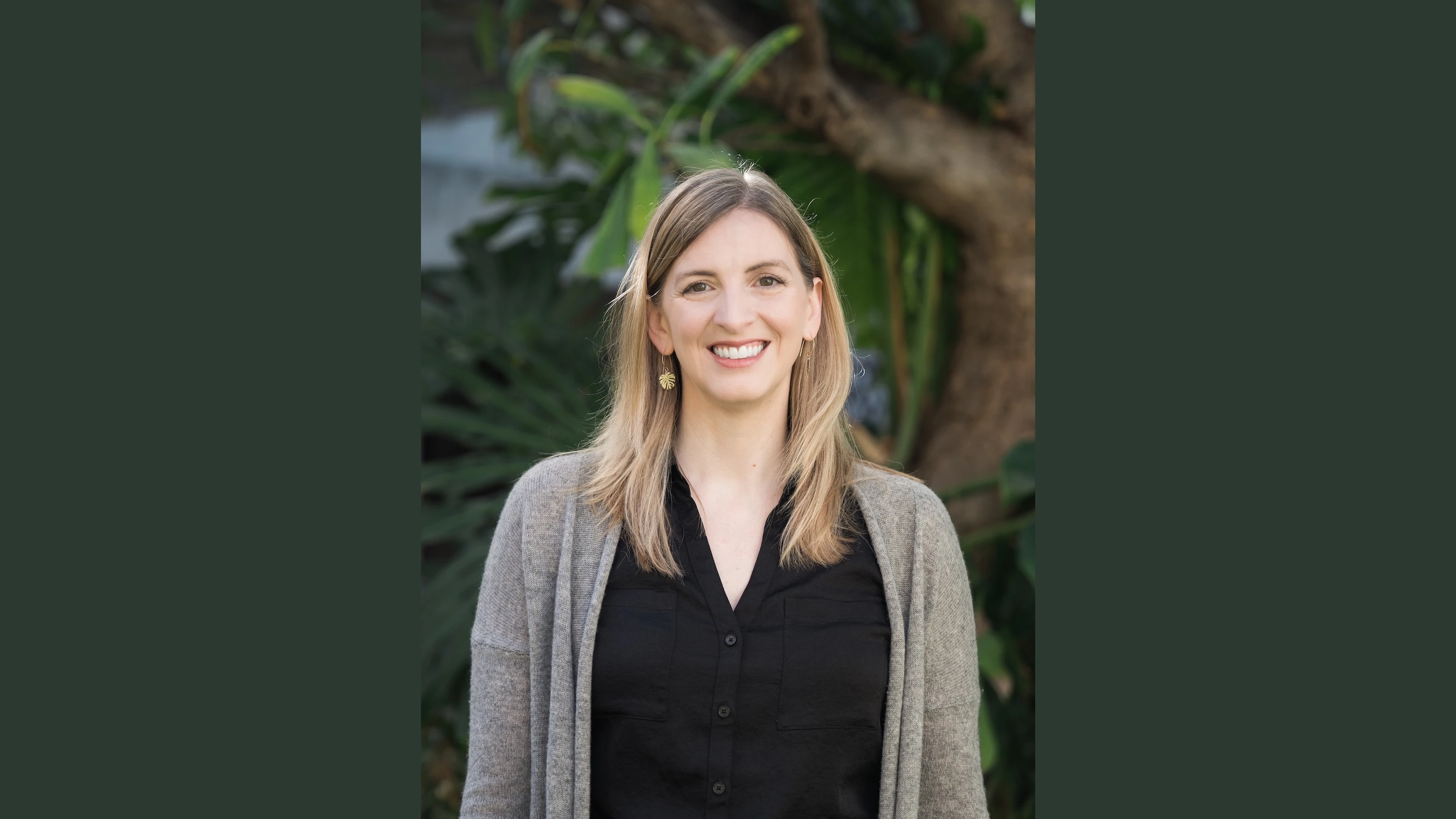
HANO President and CEO Melissa Miyashiro told Aloha State Daily by email that “Hawaiʻi’s nonprofit sector has been through extraordinary change over the past several years.”
“The pandemic reshaped how services are delivered and who needs them. Crises like the Maui wildfires and the recent Kona Low storms demanded an unprecedented response, while placing enormous strain on organizations and staff,” she said. “On top of that, federal policy shifts and funding cuts have introduced real uncertainty for programs our communities rely on every day. This is an important moment to take stock of where nonprofits are at. We wanted to bring data, voices and analysis together so that funders, policymakers and the public could see clearly what nonprofits are navigating.”
Miyashiro shares more about the reports’ findings and what it means for Isle communities.
Who is “The View from Here” intended for? How long did it take to put together and what other organizations helped?
The report is intended for anyone who has a connection to Hawaiʻi’s nonprofits. And that's a broader audience than people sometimes realize. From emergency medical care to food and water after a disaster, nonprofits show up when our communities need them most. They're also the ones doing quieter work the rest of the time, like caring for kūpuna, teaching keiki, stewarding ʻāina and supporting families through the hardest moments of their lives.
We wrote the report for nonprofit leaders who are running on fumes to meet rising needs, for funders making decisions about where to invest, for policymakers deciding how to support their constituents and for community members who want to understand the conditions our sector is operating in.
The report came together over the course of a year, with funding support from the Hawaiʻi Community Foundation, Ulupono Initiative, Zilber Family Foundation, and The Harry and Jeanette Weinberg Foundation. The Hawaiʻi Data Collaborative, Nonprofit Finance Fund, and UHERO contributed data and analysis. And more than 100 nonprofit leaders shared their lived experience through our HANO Huddles, facilitated in partnership with the Hawaiʻi Alliance of Community-Based Economic Development (HACBED). The report reflects all these perspectives.
What data point most surprised and/or intrigued you in the report, and why?
Much of what’s in the report isn’t surprising to those of us who’ve been in this work. The report puts data and structure to what nonprofit staff have been experiencing for many years. There are findings that surprised me, like the fact that 95% of Hawaiʻi nonprofits serve rural communities, compared to 45% nationally. This reflects the sector’s deep commitment to community-level support and the need to engage voices on Neighbor Islands.
But the finding that most stays with me is this: only 27% of Hawaiʻi nonprofits can pay all their full-time staff a living wage. Nationally, that number is 42%. The people caring for Hawaiʻi often can’t afford to live in Hawaiʻi. The workforce crisis hitting Hawaiʻi is hitting the nonprofit sector especially hard, leading to staffing shortages and burnout.
What intrigues me is the question of what data can and can’t tell us. The financial picture in this report is drawn largely from IRS tax filings, which give us a credible snapshot, but comes with a lag and doesn’t fully capture the people behind the work or what nonprofits really mean to their communities. I’m thinking a lot about how we can use data to better tell that fuller story.
What conversations do you hope this will spark for the sector?
I hope this report shifts the conversation about who nonprofits are and what they do. For too long, nonprofits have been understood as a safety net on the margins of the economy. But the numbers tell a different story. Nonprofits are essential infrastructure. The sector employs more than 10% of Hawaiʻi’s civilian workforce and generates nearly 12% of our state's GDP.
The conversations I’m most hoping to spark are about the conditions nonprofits need to do their work well. Right now, most of our organizations operate with funding structures that don’t reflect what it actually takes to deliver a program. These aren’t new conditions, but the data and stories in this report give them new weight, and I think the sector and our partners are ready to look at them together.
I’m also hoping for more conversation about collaboration across the sector. Two-thirds of our nonprofits operate on budgets under $1 million, and there's a real opportunity to hui in ways that build shared capacity without losing what makes each organization rooted in its community. These could be things like shared services, joint advocacy, pooled programming, more space to learn from each other. The sector is stronger when we work together.
What next steps is HANO anticipating?
For HANO, the next steps are about turning this into action. We’ll be working with our members to shape a clearer policy agenda for the future, deepening our work with funders on what real reform looks like, and continuing to hold space for the conversations our sector needs to be having.
Hawaiʻi’s nonprofits hold up our communities, and investing in them is investing in Hawaiʻi’s future. The report doesn’t just identify challenges; it paints a picture of resilience and offers specific recommendations and opportunities for creating the future we want for Hawaiʻi. A big part of putting what’s in the report into practice is the nonprofit resource hub we’re currently building for our HANO members. Our hub will be a centralized space for training, peer connection, technical assistance and sector intelligence. Our “View From Here” report names the conditions our sector is navigating. Our resource hub is one piece of how we’re building toward what comes next.
Read the full report here.
Kelsey Kukaua Medeiros can be reached at kelsey@alohastatedaily.com.
For the latest news of Hawai‘i, sign up here for our free Daily Edition newsletter.


