Seven environmental groups filed a lawsuit against Department of the Interior Secretary Doug Burgum and the U.S. Fish and Wildlife Service on July 30, alleging that the new Critical Habitat Exclusion Rule prioritizes economic development over environmental protections.
The President Donald Trump administration redefined what constitutes “harm” to endangered species and habitats so now officials will analyze economic and national security impacts when deciding if a habitat is crucial to species’ survival. The rule requires the U.S. Fish and Wildlife Service to consider excluding an area if a party provides “credible information” on the impact of a critical habitat designation, and the service is authorized to exclude areas from critical habitat if the benefits of exclusion outweigh the benefits of designating it a critical habitat. The change would allow for development on critical wildlife habitat if the animals are not immediately killed or injured.
Attorneys Barclay Samford, Brian Segee, Elizabeth B. Forsyth, Honolulu-based Harley M. Broyles, Bristen L. Boyles and Maxx Elizabeth Phillips filed the lawsuit on behalf of the Center for Biological Diversity, Conservation Council for Hawaiʻi, Defenders of Wildlife, National Parks Conservation Association, Sierra Club, Wildearth Guardians and Save the Manatee Club.
The plaintiffs asked the court to vacate the new rule and restore critical habitat exclusions that were previously in place, writing that designating critical habitat is critical to the Endangered Species Act’s goal to recover endangered and threatened species and that the rule violates the National Environmental Protection Act.
The Department of the Interior has until Sept. 28 to respond to the lawsuit. The U.S. Department of the Interior told Aloha State Daily by email on Aug. 6, “The Department stands by the rule. The rule faithfully implements the Endangered Species Act as written by Congress.”
Broyles, Associate Attorney with EarthJustice's Mid-Pacific Office, said that the rule takes away the agency’s discretion when it comes to protecting endangered or threatened species.
“The rule has been changed to favor development interests over the protection of endangered and threatened species, and we all know that a big part of what preserves species populations is that habitat protection is vital. Species thrive when they have their natural habitat,” she said.
According to the lawsuit, the regulation change “unlawfully provides industry special interests with an effective veto over important agency decisions to protect essential habitat for imperiled species of wildlife.”
Broyles said that the organizations and nonprofits have an interest in protecting species that can’t advocate for themselves.
Hawaiʻi makes up .29% of the nation’s land mass and is home to 489 endangered and threatened species — more than any other state.
“The future for our native species is under threat and in Hawaiʻi, that’s going to have a lot of repercussions,” she said.
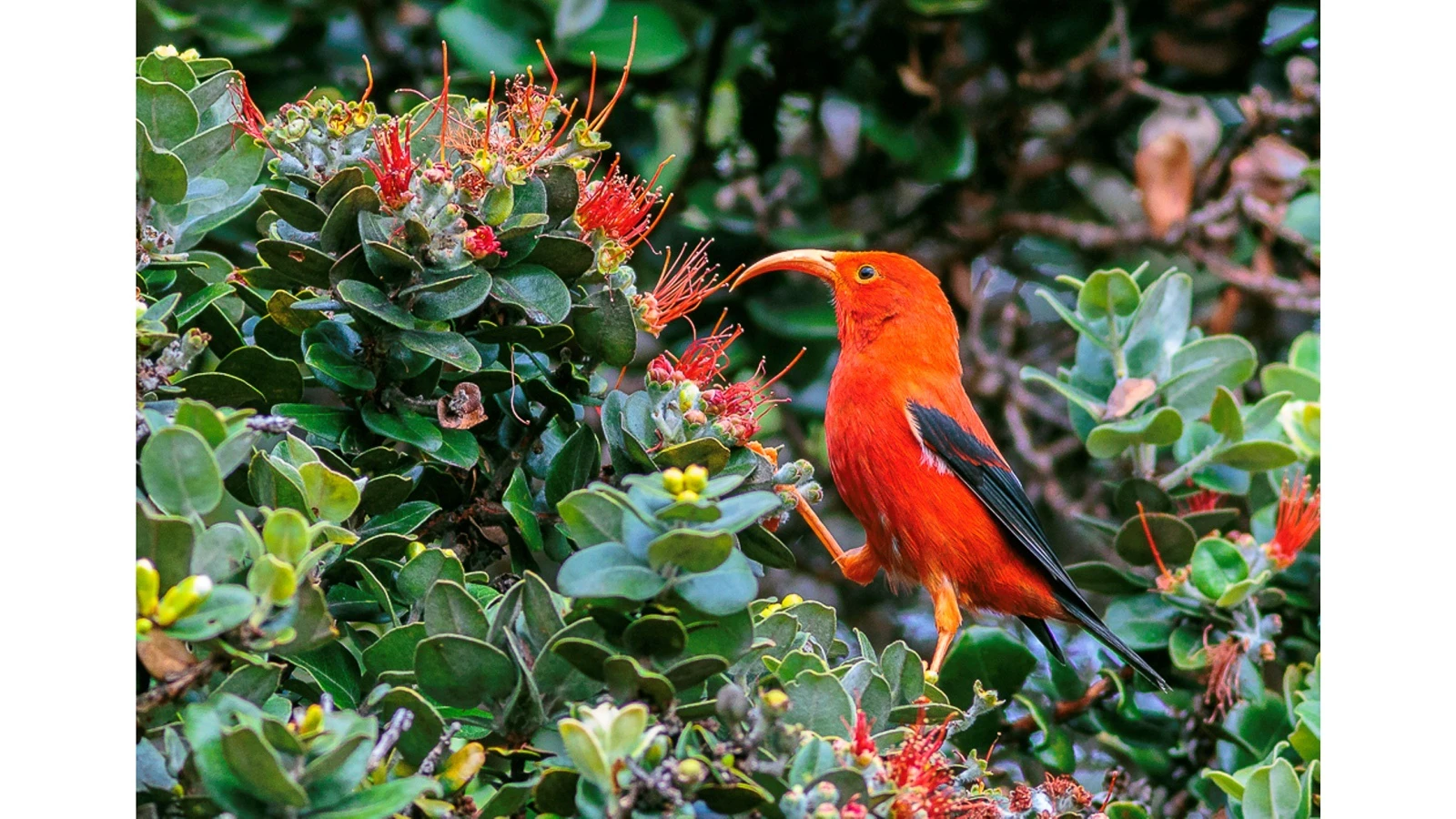
The plaintiffs want to protect imperiled species, biodiversity and species’ connection with people who are of the land, Broyles said. The lawsuit tied the interests to members across the country who are concerned about manatees in Florida, the ʻiʻiwi bird and honu in Hawaiʻi, the monarch butterfly and western bumble bee in Montana and the jumping mouse in New Mexico.
The lawsuit points to a Hawaiian living on Kauaʻi, who was raised with the ʻiʻiwi as a symbol of the living native forest, her ancestral connection to the ʻāina and her respect for honu, which is regarded as an ʻaumakua, an ancestral guardian spirit.
Haley Lehman can be reached at haley@alohastatedaily.com.
For the latest news of Hawai‘i, sign up here for our free Daily Edition newsletter.