
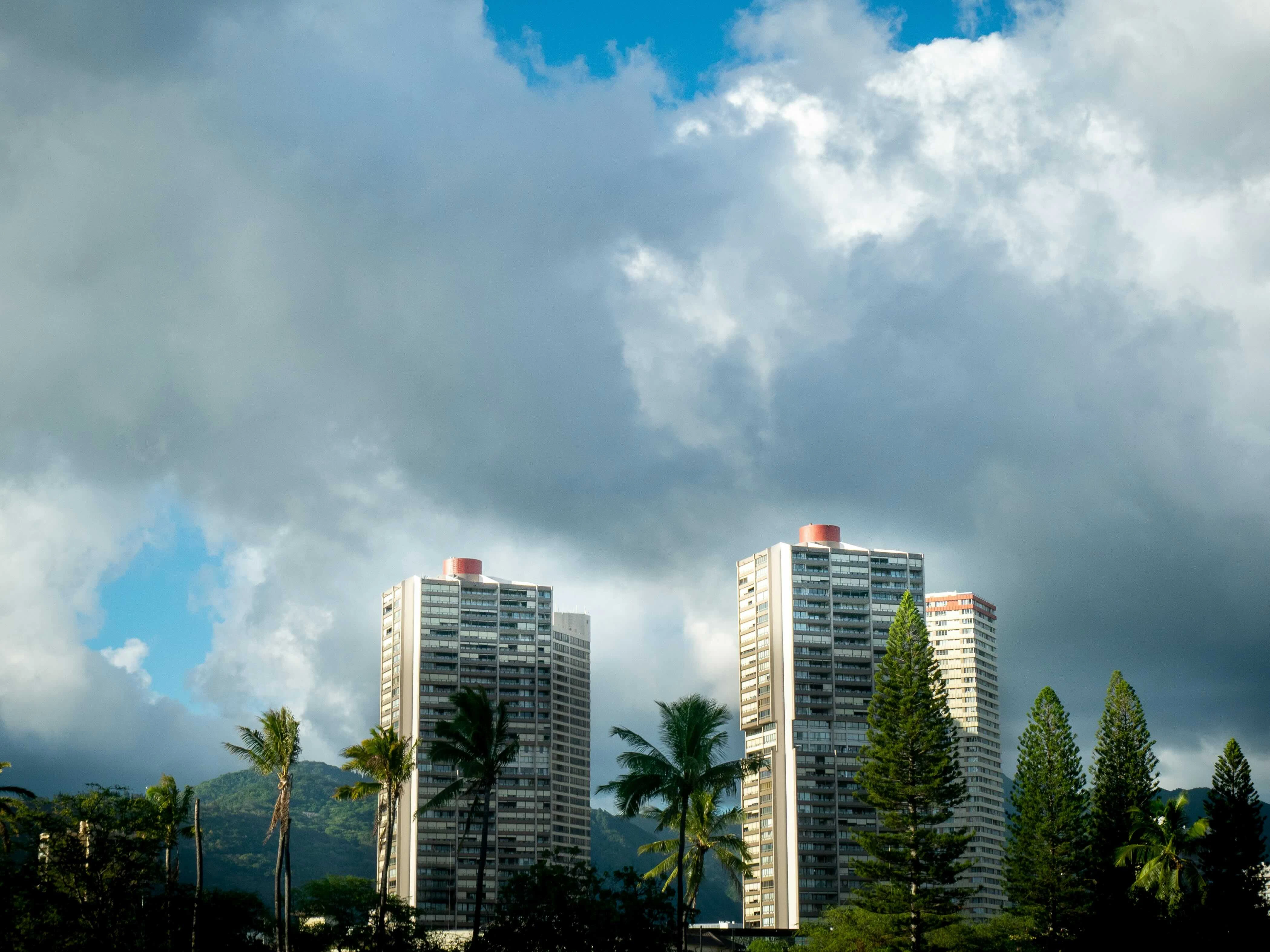
Buying a condominium in Hawaiʻi is often the most realistic path to homeownership for local families. The mortgage fits. The price is lower than that of a single-family home. It feels like the door is finally open.
Then the HOA bill arrives.
New data from the U.S. Census Bureau, collected for the first time in 2024, confirms what many Hawaiʻi condo owners already know from experience. Hawaiʻi has the second-highest homeowners' association fees in the nation, with a median of $470 per month. Only New York ranks higher. Nationally, the median is $200.
That's not a rounding error. That's a second mortgage for a lot of families.
Hawaiʻi has more HOAs, and they cost more
Forty-two percent of Hawaiʻi homeowners pay a monthly HOA or Association of Apartment Owners (AOAO) fee. The national rate is 25%. The gap makes sense given how much of Hawaiʻi's housing stock is condominiums, especially on Oʻahu, where vertical density is the norm and land drives the price of everything.
In Honolulu County, the median HOA fee is $526 per month. Hawaiʻi County is the outlier at $135, but that's the Big Island, where more housing is single-family and rural, and where median incomes are also significantly lower.
Here's the number that should give any prospective buyer pause: a review of Oʻahu real estate listings from early 2026 found the median advertised HOA fee was $882 per month. That's nearly double the Census median. The gap reflects how many new condo buildings are on the market right now, and new buildings tend to have the highest fees.
For context on where prices stand in mid-2026: the statewide median condo price is approximately $531,000 to $545,000, which is down about 1% to 3% year-over-year. The Oʻahu median sits around $507,500 as of July 2026, up modestly from early in the year. Prices may look manageable compared to single-family homes. The carrying costs are another story.
The number on the listing isn’t the real number
Monthly fees cover routine maintenance and contributions to a reserve fund, which covers a roof that needs replacing, an elevator system that breaks down, or water intrusion that causes structural damage.
When the reserve fund isn’t there, owners pay a different way: through special assessments.
A special assessment is a lump-sum charge issued on top of regular fees when a building needs repairs and doesn’t have the money. They can run from a few thousand to tens of thousands of dollars. In some older Waikīkī buildings, owners have faced assessments of $20,000 to $50,000. They arrive with little warning. And they are almost never visible in the fee disclosures a buyer sees before closing.
This isn’t a rare scenario. Reserve fund professionals who work in Hawaiʻi estimate that approximately three out of four associations are sitting on a funding gap nationwide, and Hawaiʻi’s aging condo stock, much of it built in the 1970s and 1980s, is particularly exposed. Many of those buildings are now past the useful life of their major components: plumbing, elevators, concrete, and roofing systems. The DCCA has published guidance specifically flagging this pattern, noting that aging infrastructure and deferred maintenance are among the leading drivers of surprise assessments on Oʻahu.
Then add insurance
Property insurance has become a crisis of its own for Hawaiʻi condo owners, and it’s getting worse.
In the wake of the 2023 Maui wildfires, some condominium policy premiums jumped by more than 1,000%. Statewide, aggregate property insurance premiums rose 13.4% in 2024, the largest single-year increase in at least a decade, and nearly four points above the national average. The Kona Low storms that hit in March and April 2026 added further pressure; insurers are recalibrating risk across the Islands, and those adjustments will continue to be reflected in HOA fee lines over the next several years.
In June 2026, FEMA also updated its flood maps for Oʻahu, reclassifying 3,700 net new parcels, a 25% increase, into Special Flood Hazard zones. Properties in those zones now face mandatory flood insurance requirements to qualify for federally backed mortgages. For condo buildings that fall in newly mapped areas, the cost flows into the association’s insurance expense and, eventually, into monthly fees.
Mortgage rates are not helping either. The 30-year fixed rate in Hawaiʻi averaged about 6.9% as of mid-2026, nearly a full point higher than the lows of early 2025. Every basis-point rate increase makes the combined burden of mortgage payments plus HOA fees harder to sustain.
What to ask before you close
If you are considering a condo purchase in Hawaiʻi right now, four questions should be non-negotiable before you sign anything.
What is the reserve fund balance, and what percentage of the estimated need does it represent? The industry threshold for a healthy reserve is 70% funded or higher. Hawaiʻi law requires at least 50%, but 50% is different from an adequate amount. It’s the floor, not the standard.
When was the last reserve study conducted, and what did it find? Hawaiʻi law requires studies to be updated regularly and reviewed by an independent preparer with recognized certifications. A building without a current study is operating blind.
Have there been any special assessments in the past five years? Are any anticipated? Boards are required to disclose known assessments, but enforcement has gaps. A 2025 legislative bill that would have strengthened those disclosure requirements died in committee. The burden remains on buyers to ask.
What have insurance premiums done over the past three years — and is the building in any newly designated FEMA flood zone? A building whose premiums have doubled or tripled is already under financial stress. A building in a newly mapped flood area faces costs that are just beginning to arrive.
If you already own
Hawaiʻi law gives condo owners the right to review financial records, attend board meetings, and access reserve studies. Those rights exist whether or not your building actively promotes them.
Attend your board meetings. Request the financials. Find out where your building actually stands before the next special assessment letter shows up in your mailbox.
The price on the listing is just the beginning.
Reprinted with permission from Corey Idleburg, executive director of The Learning Observatory, a Honolulu-based nonprofit that translates research, data, and policy into accessible public information for Hawaiʻi communities. Learn more at tlohi.org.
For the latest news of Hawai‘i, sign up here for our free Daily Edition newsletter.


