Between storm impacts and the Iran war, Hawai‘i's economy has taken a beating this year, the University of Hawai‘i Economic Research Organization reports.
A UHERO economic forecast for the third quarter of 2026 found that the storm-driven decline in visitors this year, compounded by war-driven fuel costs, increasing interest rates and stagnant job growth has left the state’s economic future uncertain.
While 2025 saw the state’s real GDP — gross domestic product as adjusted for inflation — increase by 3.3% over the previous year, this year it has only increased by 0.6%. UHERO Executive Director Carl Bonham said that this small increase technically means the state is not in a recession, but that’s cold comfort when viewed next to other statistics.
For example, Bonham noted that the last time Hawai‘i’s real GDP growth was so low was during the Covid pandemic, but at that time, the state’s job market was still growing, as people flocked to the state to take advantage of widespread work-from-home policies. This year, job growth has stalled, with non-farm jobs decreasing by 0.2% statewide; last year, jobs increased by 0.8%.
The report attributes this weakness in the job market to weak demand rather than worker supply: job posting statewide has declined by 7% since last year. While 2,200 more workers entered the labor force this year, 3,100 workers became unemployed during the same time. At the same time, Bonham said that Hawai‘i's aging population means more workers will be leaving the workforce.
Nonetheless, the state’s unemployment rate is 2.7%, which the report emphasized is still low, historically speaking.
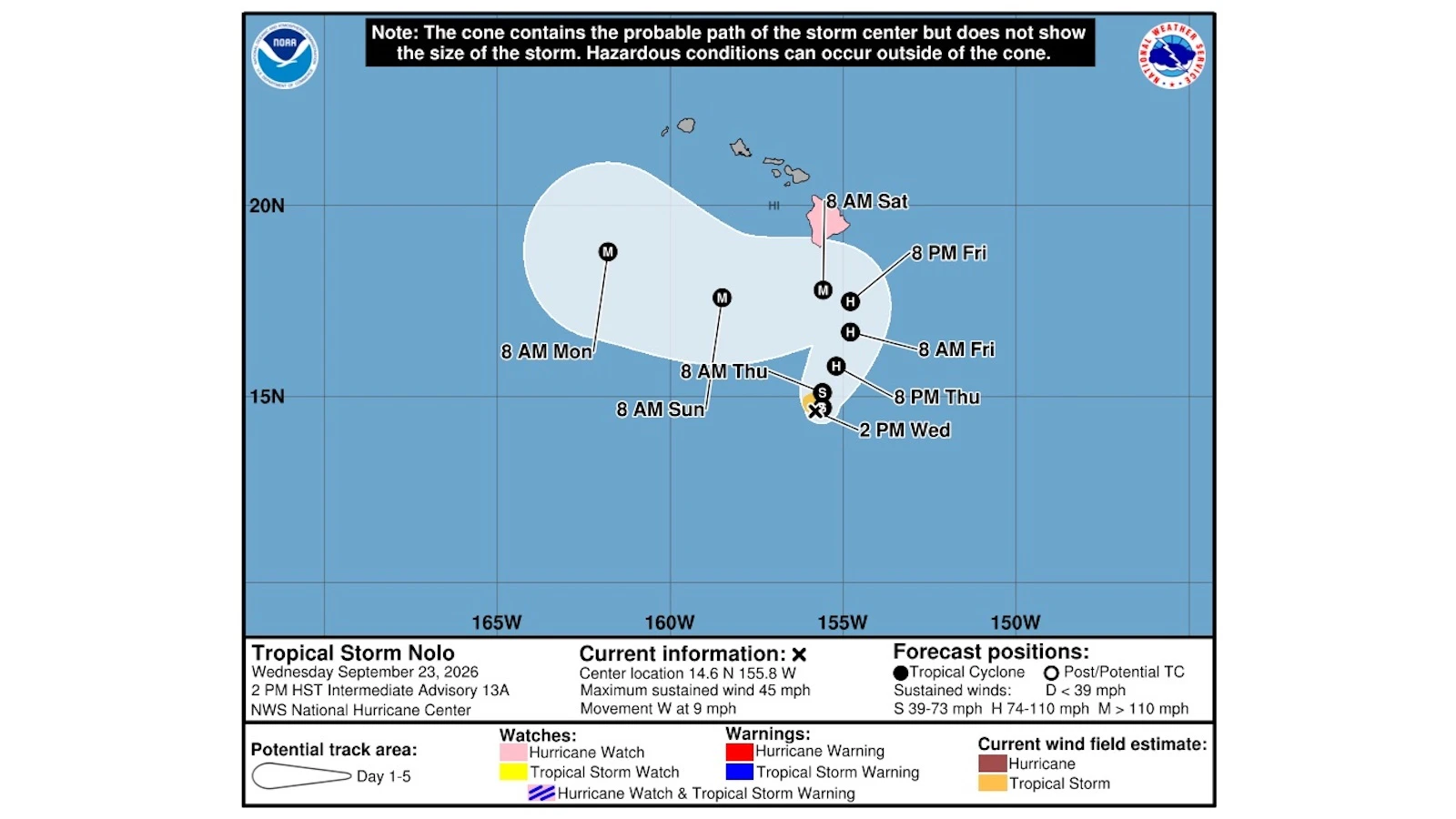
Meanwhile, the impacts of this year’s storms has reduced visitor rates to the state, and may continue to do so for some time. Passing over the potential impacts of Tropical Storm Nolo, Bonham said that the prospect of future storms will likely cause some visitors to reconsider traveling to the islands this year.
Visitor arrivals statewide have dropped by about 0.7% this year — roughly on par with a similar decline last year — and visitor spending has dropped by 1.6%, or $21 million. On Kaua‘i, which is still recovering from Hurricane Lowell, visitor arrivals have dropped by more than 6%.
The affordability of housing has also “deteriorated” in 2026, the report states. Even though home prices have stayed largely flat this year, interest rate hikes have increased mortgage rates, pushing home ownership further out of reach for many local families. Bonham noted that, since the report was completed, the Federal Reserve announced more rate hikes, putting the report in danger of being obsolete already.
The only unalloyed positive point in the report is the continuing strength of the state’s construction industry, which is expected to employ more than 40,000 workers for the next several years as major public and private construction projects continue. The report darkly notes that, just as the Lahaina fires necessitated a boom in residential construction, the storms and earthquake this year will likely do the same.
However, construction costs have risen by about 30% since 2020 due to inflation.
Further cost increases, which could eventually chill the industry, are contingent on unforeseeable future events such as whether hostilities in Iran end, the results of the mid-term elections, and whether the enormous investments in AI — which the report notes is virtually the only business investment going on — actually pays off.
For the latest news of Hawai‘i, sign up here for our free Daily Edition newsletter.