
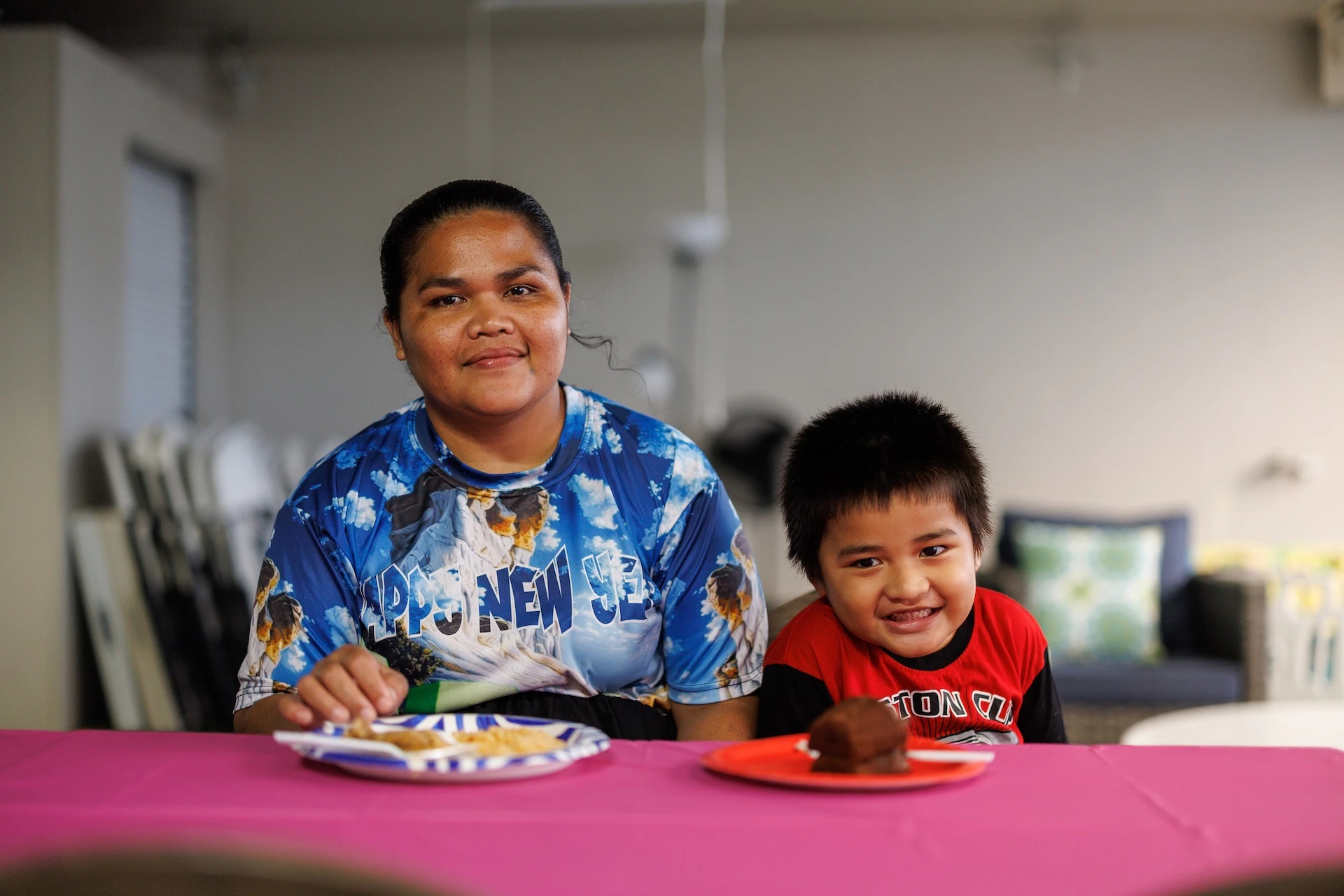
Young children — keiki under age 5 — are a significant part of the overall homelessness challenge in Hawaiʻi, according to Family Promise of Hawaiʻi Executive Director Ryan Catalani.
In the recently released 2026 Point in Time Count, (PITC) a federally mandated census conducted by Partners in Care and more than 300 volunteers on Jan. 26, the report identified 4,539 individuals “experiencing homelessness in [Oʻahu] shelters, streets, beaches, cars, or other places not meant for human habitation.”
Of that total count experiencing homelessness, 802 were children under age 18, per the report, which also noted that since 2022, family homelessness has increased by 43%, and nearly 20% between 2024 to 2026.
“One of the most striking findings was that child and family homelessness on Oʻahu has increased so dramatically in the last two years, while overall homelessness remained virtually flat,” Catalani said. “I think it is shocking and concerning to see this on the community level.”
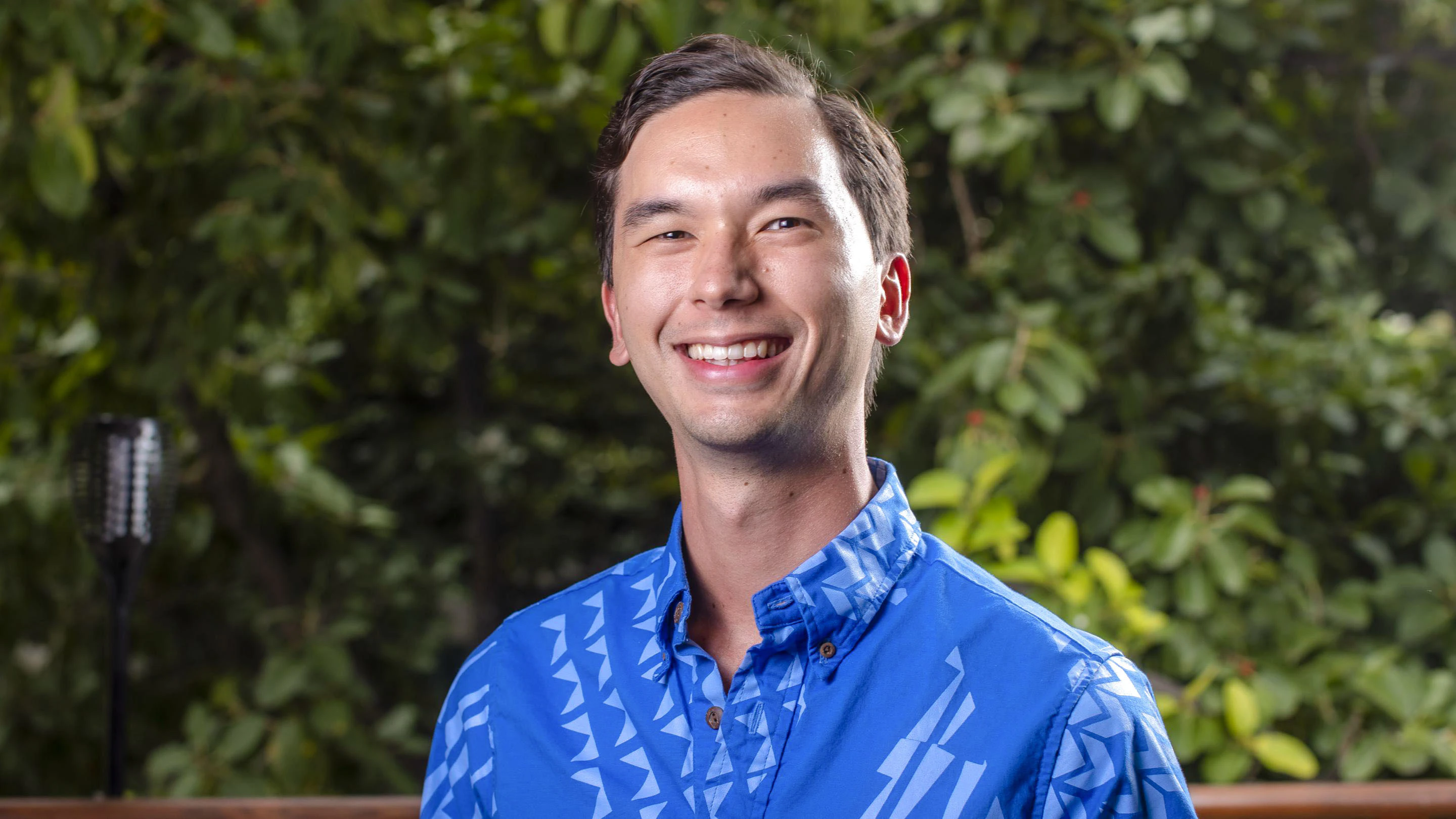
He added that Family Promise of Hawaiʻi, which is a member of Partners in Care, has noticed internally an increase in calls for its services such as interim housing, emergency rental assistance, case management, and more. Monthly, the organization receives around 200 to 300 first time callers per month, Catalani said. According to him, in 2025, the nonprofit represented approximately 970 families, or 2,700 individuals, both on Oʻahu and Maui.
“I was looking at our data from the month of January, since the count is just one point-in-time, and 66 unique families, or 265 individuals, called who were unsheltered,” he said. “It’s important for people to realize that the PIT count is who can be seen on that one day, and that there’s more need than we can capture in just this report.”
According to recent data from the state Department of Education, 4,800 school-aged students are experiencing homelessness, and another 750 from birth to age 5. Federal data shows that “an estimated 1 in 30 young children in Hawaiʻi experience homelessness annually,” per Family Promise of Hawaiʻi.
Catalani notes that “there are about 140 families who are eligible for our emergency shelter, but there is not enough space for them.” Currently across its interim housing locations, Family Promise of Hawaiʻi can accommodate 30 families, or 120 individuals.
To meet the increased needs of the community, he aims to “continue to scale [the nonprofit’s] programs to serve more families.”
The ʻOhana Navigation Center, which launched in December 2024, has been a successful model that offers spaces specifically designed for families, according to Catalani.
“We use the term interim housing instead of shelter or transitional housing because what we offer is a little different,” he said. “Each family has their own room and bathrooms, with shared kitchen spaces, common areas, laundry and other amenities on site. There are also case management offices on site and spaces for community partners who provide meals, activities with the families and kids, and wraparound services.”
One ongoing challenge, however, is finding more facilities on the island to help build capacity.
“Babies and toddlers should not be sleeping on the streets, especially during the ages in which their brains are developing most rapidly. Those early experiences are going to have the biggest impact on the rest of their lives,” Catalani said. “I think that if we truly want to end homelessness as a community, we need to make sure that young children are being stably housed to create that generational change.”
“Everyone can play a role in ending childhood homelessness.”
Sharing ʻike
Meanwhile on Maui, Family Promise of Hawaiʻi has remained focused on helping survivors of the 2023 wildfires. Since then, its case management team has served more than 800 families in need of shelter and housing, insurance and financial assistance, and with long-term rebuilding.
Most recently, the organization’s experience in disaster services on Maui were carried over to Oʻahu, which in some areas were devastated by Kona Low storms earlier this year. So far, 80 families displaced by flooding received support via a free temporary shelter program in partnership with the Waikīkī Malia hotel, as well as in-kind donations and other resources.
“We wanted to find a way to more rapidly scale up with the influx of need after the storms,” Catalani said. “So, we provided some on site assistance at the shelters, in addition to supplies, air mattresses, etc. Our team also went to several of the city’s events in Waialua and Lāʻie.”
State of the sector
Catalani, who joined the Hawaiʻi Alliance of Nonprofit Organizations board of directors last year, also shared his thoughts about its newly released State of the Sector Report: “The View From Here: Insights from Hawai‘i Nonprofits.”
While the report highlights key issues the industry is facing, it also shares opportunities to help address capacity gaps, funding reform and more in the years ahead. Read more insights from HANO President and CEO Melissa Miyashiro here.
“There’s a lot that resonated with the report. One observation I keep thinking about is that what nonprofits provide is central to community infrastructure, and yet from a funding perspective, it is often treated like a one-time project. Hopefully, as a community, we can think about ways to treat these essential nonprofits as core infrastructure and not as special projects.”
Cost of living is also a sore spot for the local sector.
“On the flip side, for a nonprofit whose budget is tight or if they’re losing funding, how can they support their own staff and be able to both recruit and retain the level of talent needed to address some of our community’s most important challenges, for example those dealing with economic or social service issues?” Catalani said.
With more than 30 employees, Family Promise of Hawaiʻi became the first nonprofit in Hawaiʻi to receive a national certification from Living Wage for Us.
“We’ve also invested in benefits including paid time off and paid medical leave, as well as stipends for professional development and higher education,” Catalani said. “We want to create a place where people can stay employed with our organization because everyone is going to have some sort of medical or caregiving need in their lives.”
For more information about Family Promise of Hawaiʻi, click here.
Kelsey Kukaua Medeiros can be reached at kelsey@alohastatedaily.com.
For the latest news of Hawai‘i, sign up here for our free Daily Edition newsletter.


