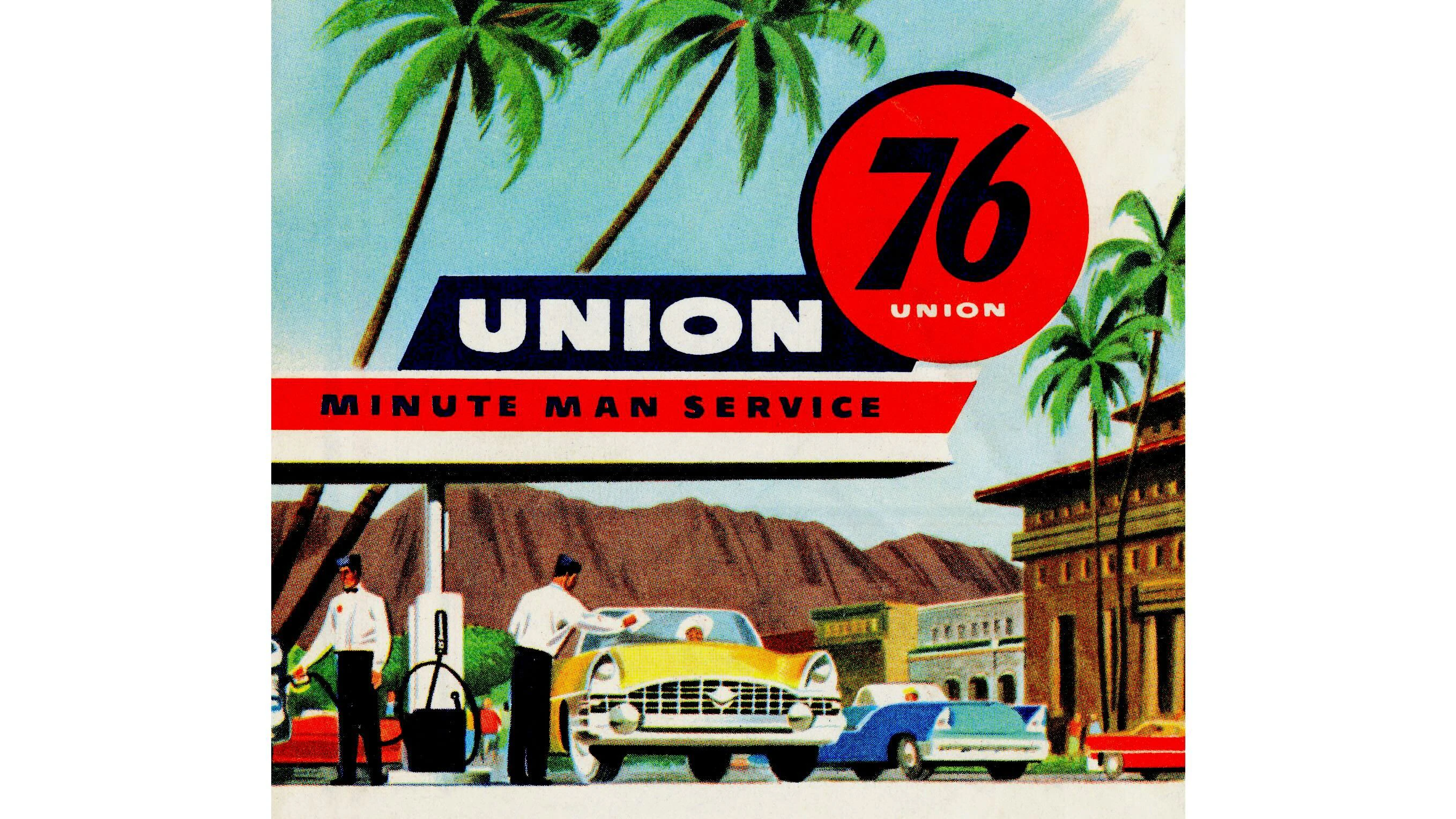
As Aloha Tower moved into the middle years of the 20th century, tourism was increasing, and it was recognized that future infrastructure improvements were going to be necessary. Although travelers arriving in Hawai‘i by ship were gradually diminishing while those arriving by air were increasing, discussions in 1958 determined that Honolulu's main docks needed major reconstruction. Piers 8 through 11, at the base of Aloha Tower, should have facilities for passengers moved to a second level while cargo handling should be confined to the ground floors of the wharves.
Unfortunately, this assessment did not take into account two trends that were already identified at the time — jet planes would be starting service to Hawai‘i within a year or two, and ocean cargoes would soon be shifting exclusively to standardized shipping containers, which Matson had begun using this same year. The latter would eventually require all of Honolulu's cargo movements to be relocated to Sand Island.

So even as visitors were moving away from ship travel in favor of faster and cheaper jet airplanes, in June 1963 a bid of over $5 million was accepted for the revamp of the pier complex. On July 11, 1963 the work started, and in June 1964 a controversial elevated traffic ramp's construction began. This structure was to allow access by vehicles to and from the second-story passenger area that filled in the former open space between Piers 8, 9 and 10. The ramp was criticized for how it would block the view of the harbor when looking down Bishop Street, since to keep the degree of its rise gradual, it would have to extend from a base some distance away at Pier 6.


Even worse, to many people, was how the base of Aloha Tower was completely obscured by the new addition, which also left the ground level here perpetually in shadow. Regardless of complaints, the finished project was dedicated on March 29, 1965.


The anticipated need for accommodating increased ocean travelers at Aloha Tower turned out to be incorrect. Their numbers consistently decreased, and in 1970 Matson ended its once-famous passenger service completely, to focus exclusively on cargo transport from then on. The enlarged dock facilities were unused most of the time.
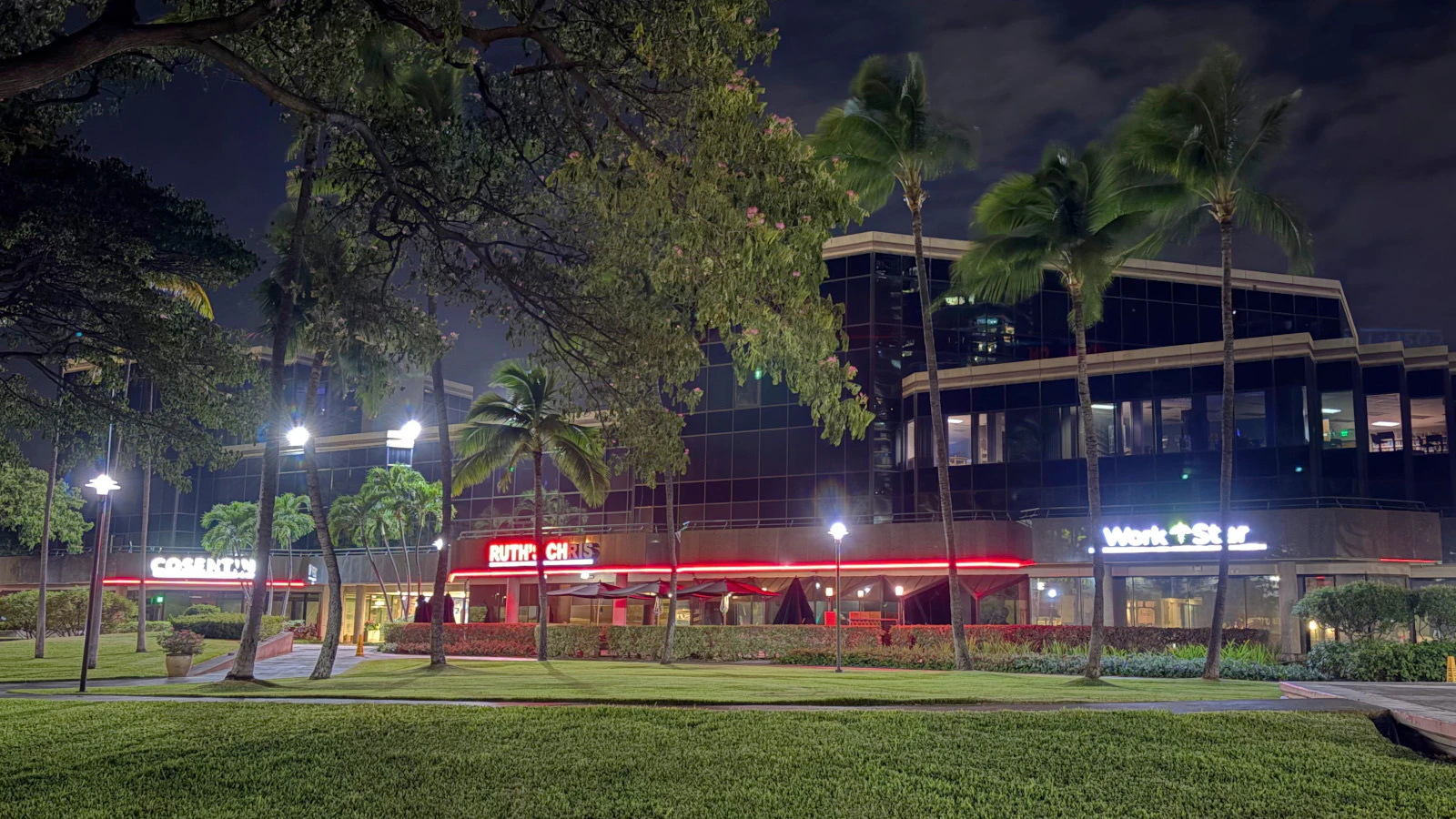
By 1981 came the start of Aloha Tower's next transformation, which truthfully is still going on today. But this process has been so complex and troubled that it's impossible to even attempt to recount it in any detail here. We'll just focus on what happened starting with the closure of the Tower and its docks on November 1, 1993 in preparation for demolition and then new construction. The overall plan for the area was a massive, multi-stage development, which would start with a "festival marketplace" of the type that had already been successful in other US cities like the first one at Fanueil Hall in Boston from 1976, or Baltimore's Inner Harbor. Planned to follow this at Honolulu Harbor would be an office building, a 350 unit condominium, a maritime-specific office structure, a 350 room hotel, a "historic park" and an elevated bridge over Nimitz Highway to Fort Street. Needless to say, none of the latter ever came into existence.
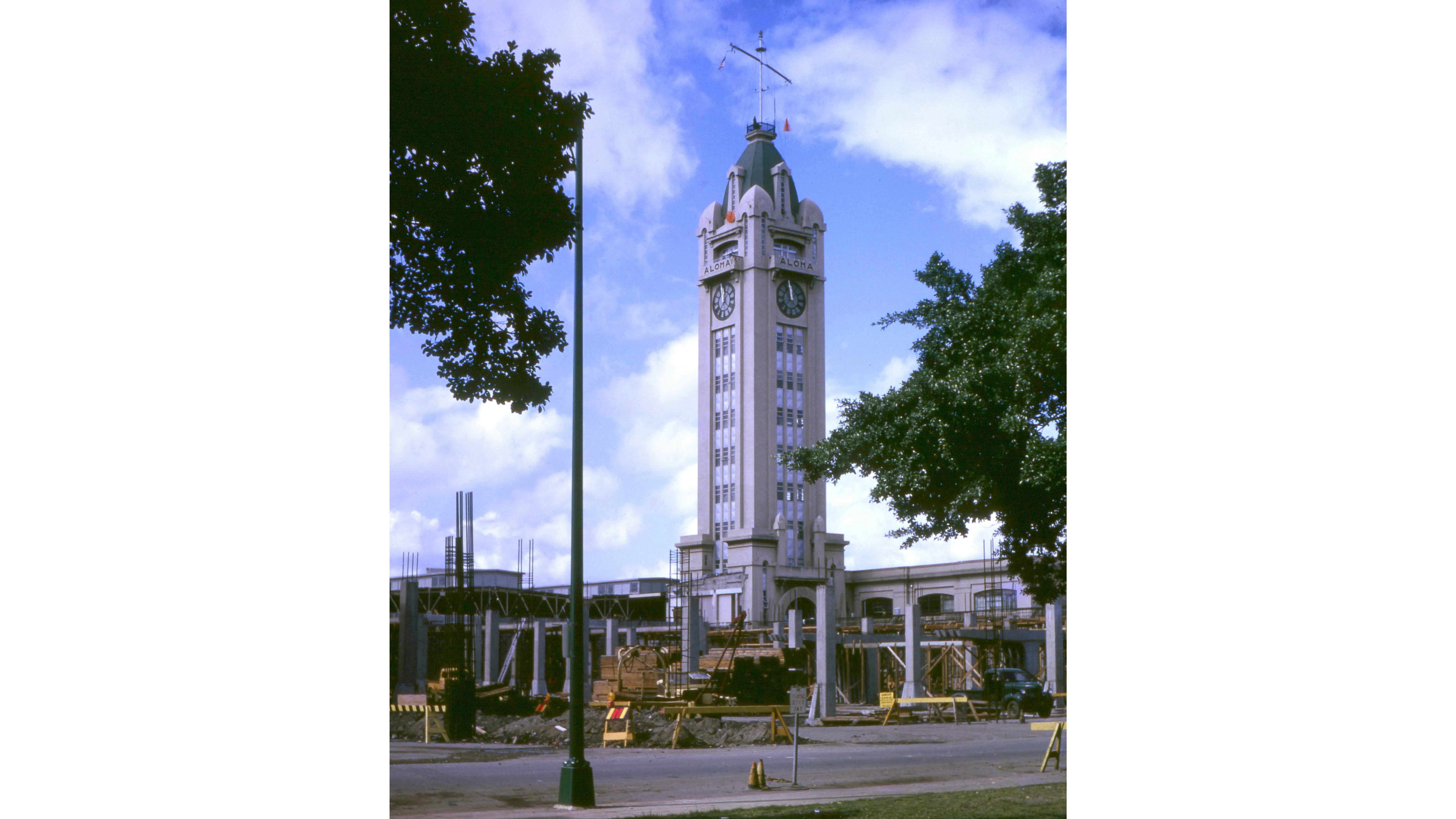

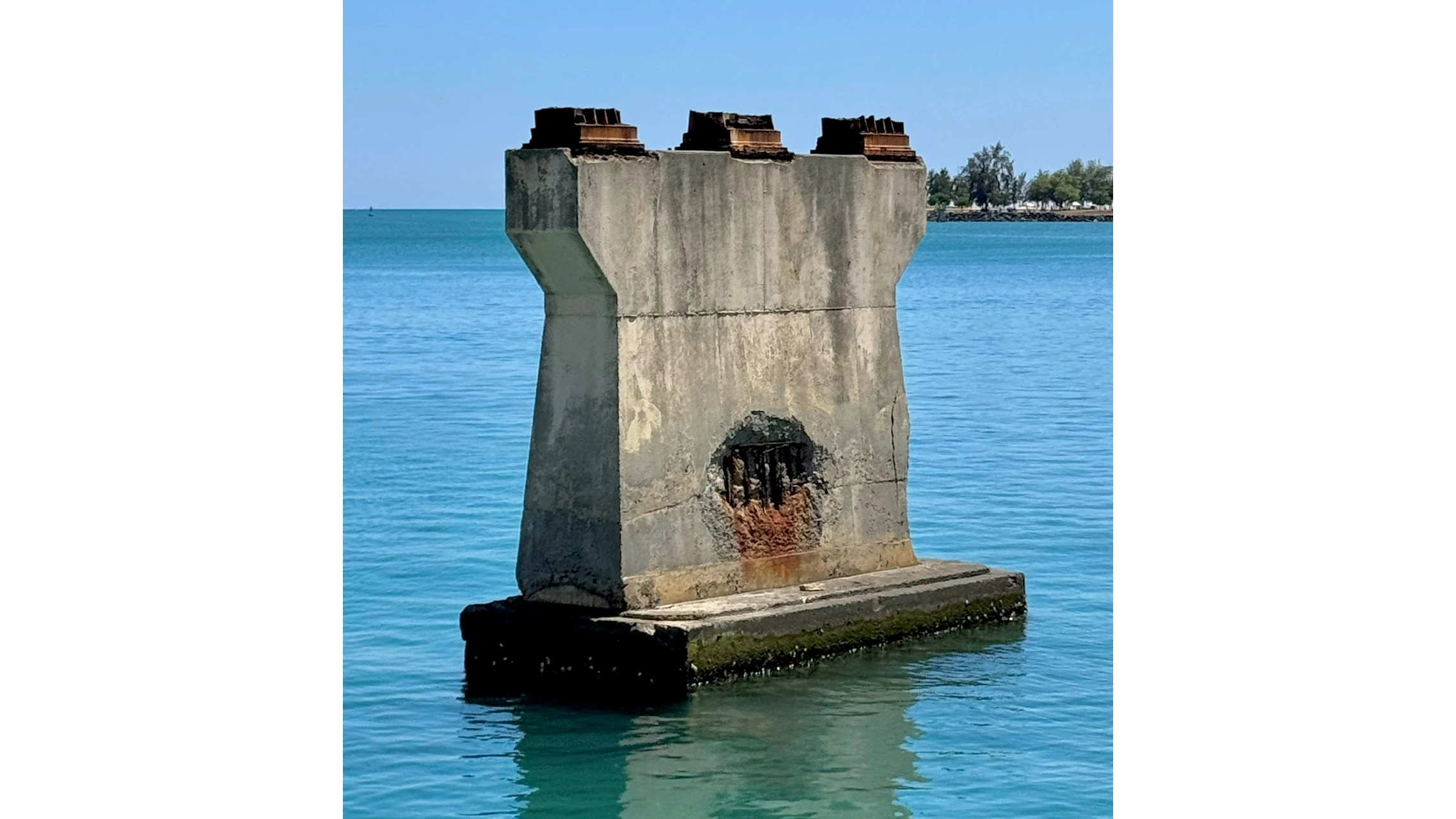
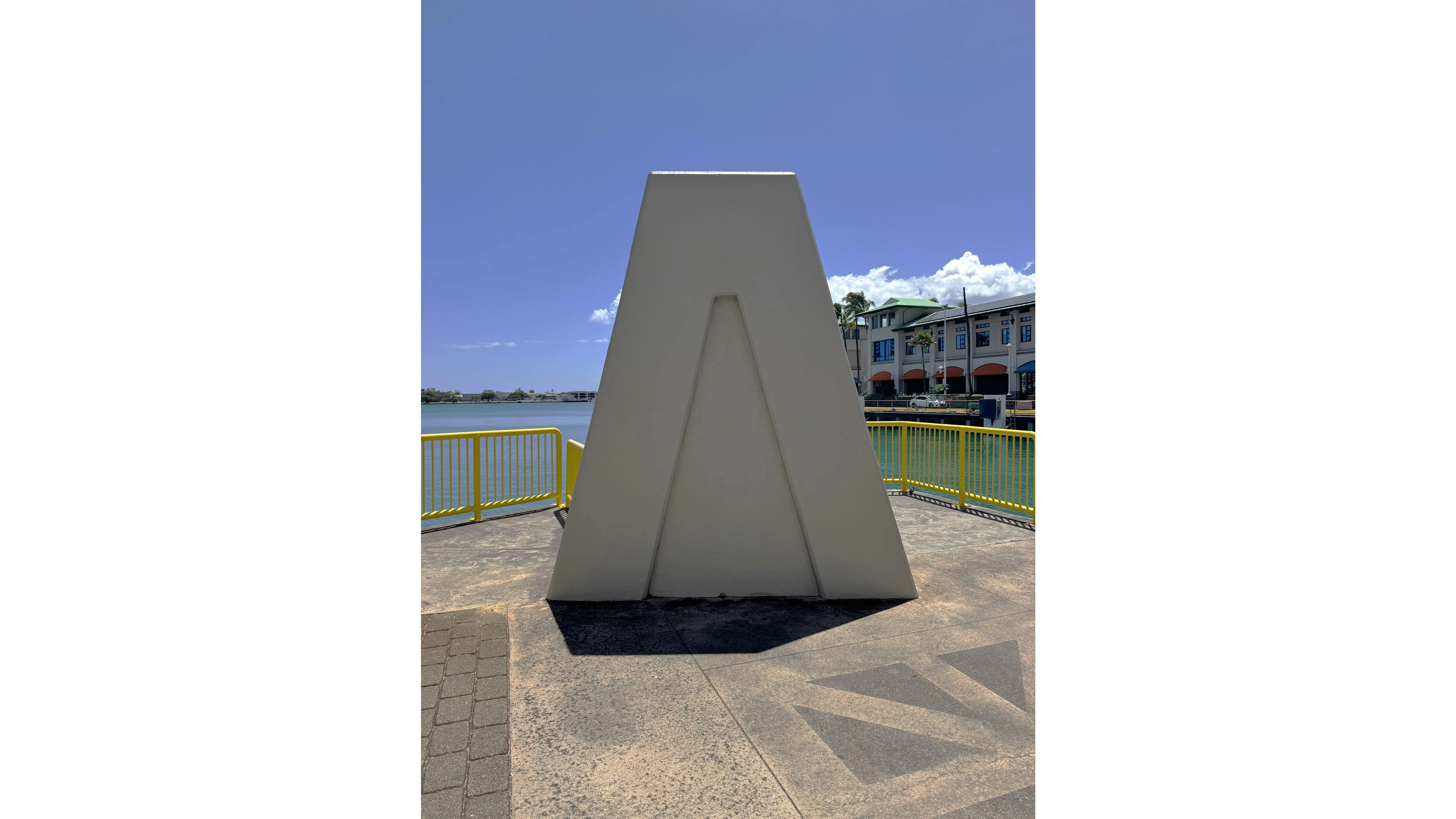
Starting off the redevelopment process was the tearing-down of everything that had been constructed in the 1960s, along with the pier structures at Docks 8 and 9. On July 14, 1994, Aloha Tower stood entirely by itself for the first time ever, with the two-story concrete & steel wharf buildings at its base entirely removed. This was seen as a very positive step in the anticipated creation of what was to become Aloha Tower Marketplace. Intense work was necessary to meet the opening date of November 19, 1994, when about 50,000 people came to see the new $100 million shopping center. Consisting of a very attractive group of two story buildings with open walkways between them, the mix of tenants included retail stores, bars, restaurants and an open area dedicated to kiosks and pushcarts, with total tenants planned to number 200. The unique, scenic setting and the substantial number of Honolulu residents and visitors as potential customers seemed to indicate a bright future.


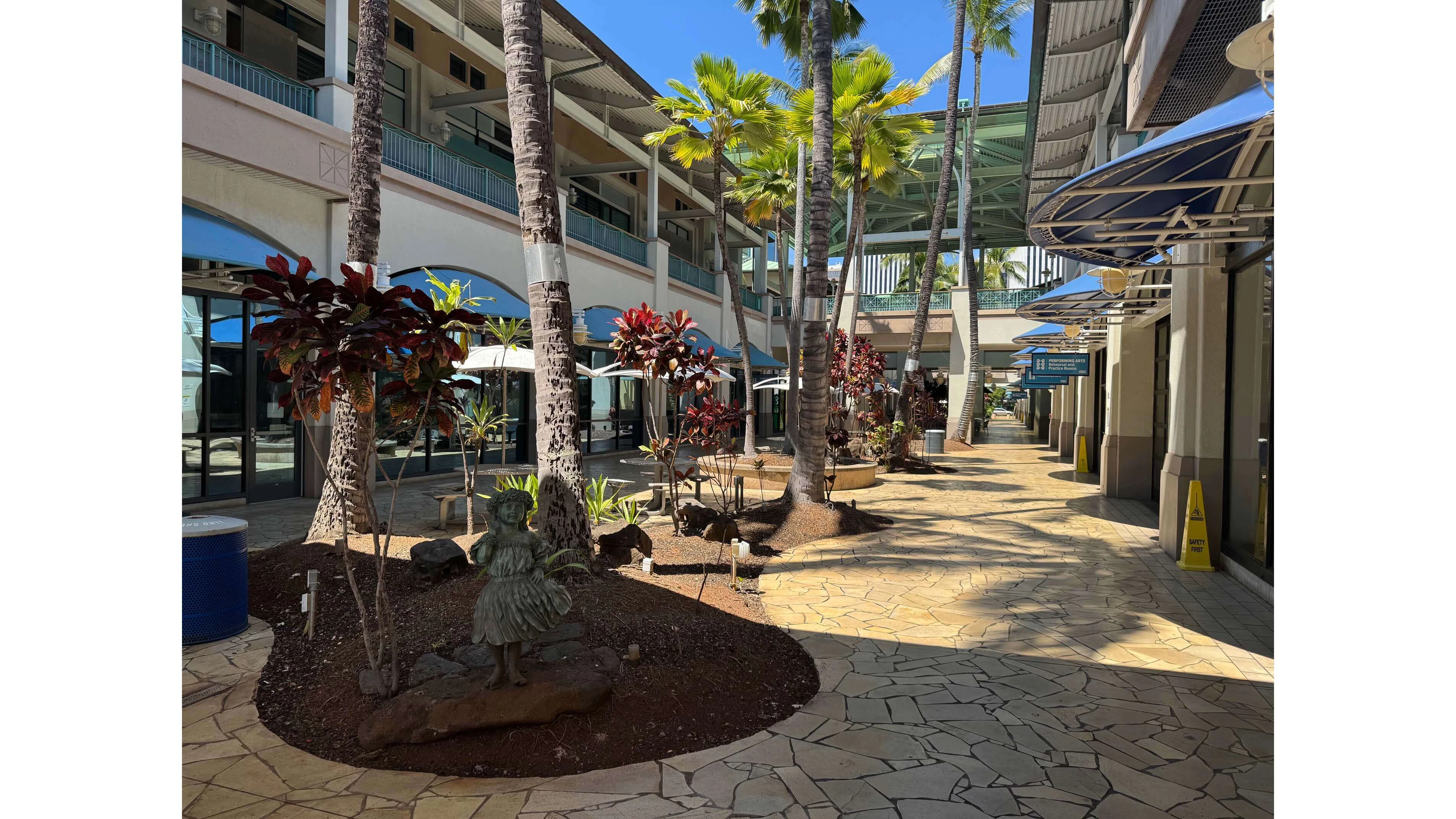
Except...the bright future never happened. The immediate problem was parking, which was limited and expensive. The rejection of having to pay to leave your car someplace, when lots of other places fairly nearby were free, pretty much doomed the Aloha Tower Marketplace. Within a few weeks came the first worried complaints from tenants, particularly from the pushcart owners. By May 1995 the developer, Aloha Tower Associates, was in arrears to various unpaid vendors as well as to the State of Hawaii, its landlord.
For years afterwards, the marketplace limped along through bankruptcies, lawsuits, failed proposals for parking improvements, different owners and managers, and dwindling tenants. A few of the latter did well, but many failed.
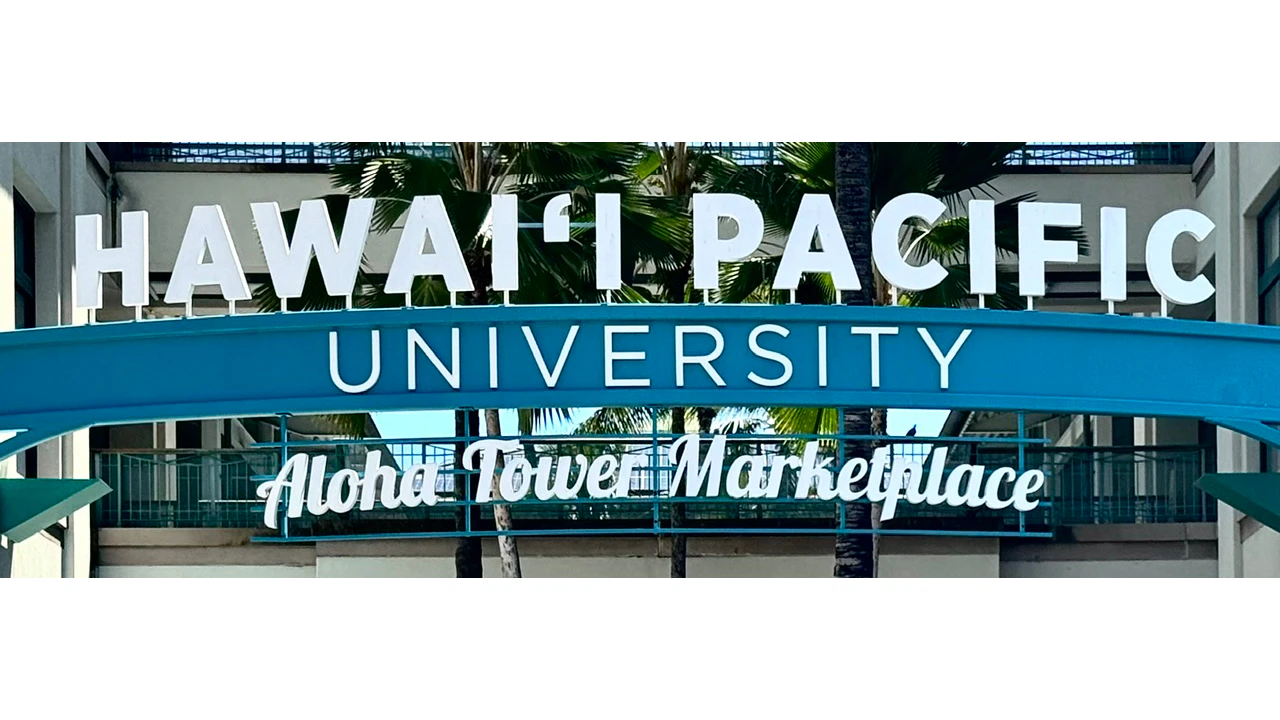
Finally in 2011, Hawai‘i Pacific University — which occupied numerous rented spaces in multiple downtown buildings, mostly along Fort Street — purchased the lease to Aloha Tower Marketplace along with a commercial investor. The following year the complex was 70% vacant, and by 2013 HPU had bought out its partner and had full control. Thereafter the center was redeveloped into student housing and various other school uses.

A handful of commercial tenants are present today, but in February 2020 the last of the original businesses from the 1994 opening finally closed, which was the controversial Hooters bar and restaurant.

And so we conclude in 2026, Aloha Tower's 100th birthday, anticipating that discussions for the future of the tower and its surroundings will be ongoing indefinitely (perhaps), with probably few actual changes to take place. We can say with certainty that someday the Skyline elevated train will be traveling along nearby Nimitz Highway with a station at Bishop Street, but its effects cannot be anticipated, and if anything can be learned from history, it would be unwise to try to guess them in advance.
(For Part 1 of Aloha Tower at 100 Years, click here.)
For the latest news of Hawai‘i, sign up here for our free Daily Edition newsletter.