
DeSoto Brown
DeSoto Brown is the historian and the curator for the Archives at Bishop Museum, where he's been employed for 40 years. In addition to working closely with the numerous treasures in Bishop Museum Archives, he's also accumulated a very large collection of Hawai‘i paper ephemera since the 1970s. DeSoto has authored a variety of books and articles for different publications; his titles include "Hawai‘i Recalls: Selling Romance to America," "Aloha Waikīkī," "Hawai‘i Goes To War: Life In Hawai‘i From Pearl Harbor to Peace," "Hawai‘i at Play: Images of a Bygone Era," "The Art of the Aloha Shirt," and "Surfing: Images From Bishop Museum Archives." He has also participated in exhibits for Bishop Museum and other institutions. He has been a regular commentator on ThinkTech Hawai‘i's online programs for 10 years, and even hosted his own radio show, "Melodies of Paradise", from 1975 to 1980.
Latest from DeSoto Brown

Changing Kaka‘ako: Ward Plaza
When it debuted in 1969, Ward Plaza elevated the neighborhood with a then-cutting edge architect-designed modernism. The complex was torn down in 2018 and construction has recently begun on its replacement, high-rise condo The Launiu Ward Village. Here's what made Ward Plaza special and why it should still be remembered.
DeSoto BrownOctober 17, 2026

How They Saw Us: Hawai‘i on Book and Magazine Covers
Book and magazine publishing boomed through the 20th century, with covers competing for attention in the marketplace. How those covers depicted Hawai‘i reveals the aspects of Hawai‘i that caught America's fancy. Some depictions were realistic, such as actual ongoing volcanic eruptions, but often they were exaggerated or outright imaginary views of romance and hula, crime and violence.
DeSoto BrownOctober 08, 2026

Changing Kaka‘ako: Remembering Ward Warehouse
Ward Warehouse was never meant to last — even the previous owners who built it, Victoria Ward Ltd, always intended for offices and high-rises to take its place. But it had a four-decade run from its 1975 opening to its 2017 demolition, featuring such businesses as Old Spaghetti Factory, Orson's, The Liquor Collection, Nohea Gallery and more. Here's a look back at the shopping center, including a glimpse of the neighborhood before Ward Warehouse came along and fishing, rather than shopping, was the area's industry.
DeSoto BrownOctober 02, 2026
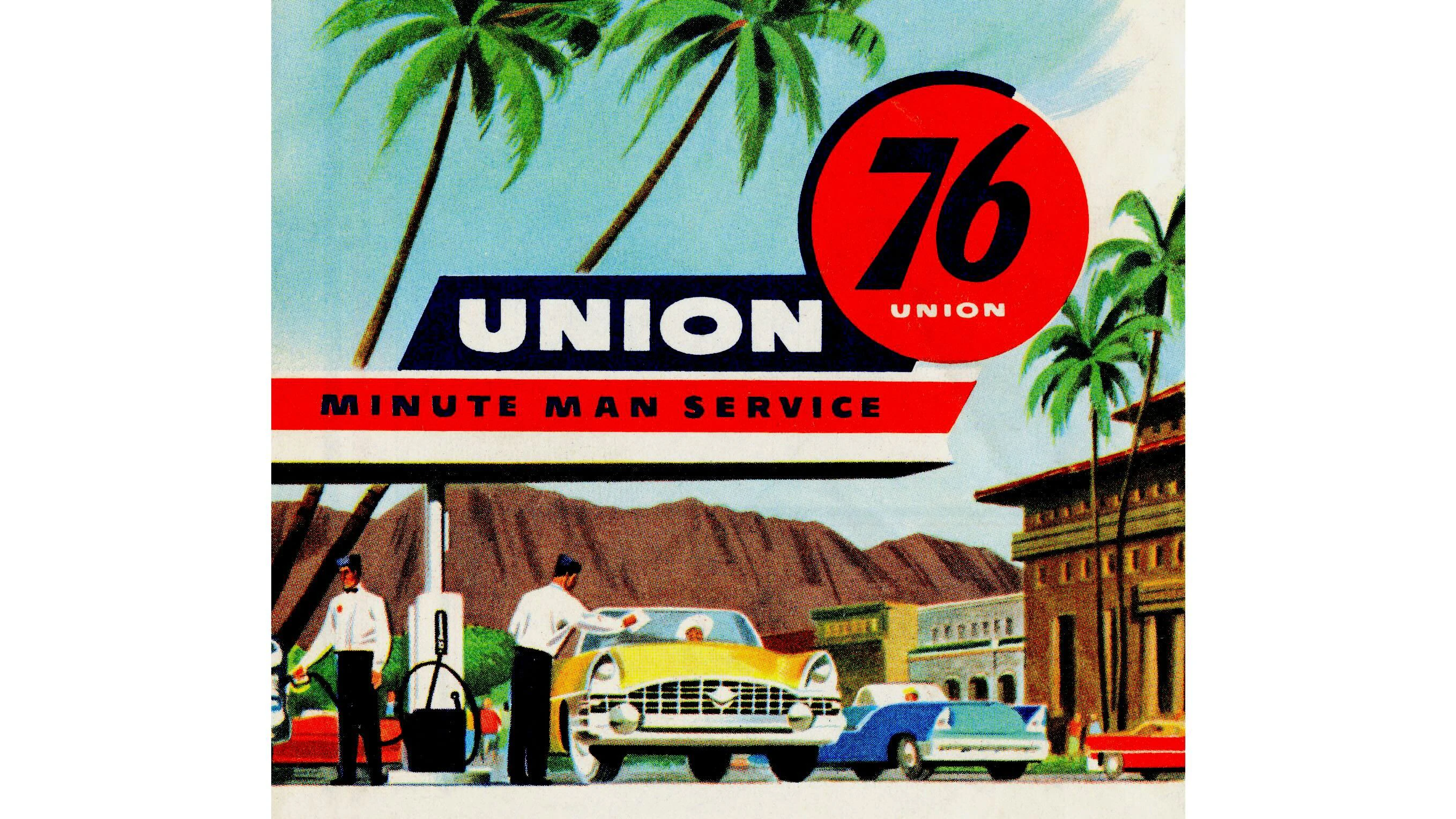
How Hawai‘i got its gas stations
Strange but true — at one time, horse-drawn carriages delivered supplies of gasoline around O‘ahu, and fuel pumps were often located by the side of the road for motorists running on empty. As gas-powered cars became more common, a new kind of building emerged in the Islands — the gas station. Guess which famous waterman owned one in Waikīkī!
DeSoto BrownSeptember 23, 2026

Changing Kaka‘ako: GEM Is The Big One!
Back in the day, kama‘āina used to refer to these department stores as "Gem's." Here's the real history — and the real name — of these stores that once spanned the Islands.
DeSoto BrownSeptember 18, 2026

True tales of tall trees in the Islands
We love our trees in Hawai‘i. As ASD history columnist DeSoto Brown tells it, some trees have even been main characters in dramas playing out in the streets of the Islands.
DeSoto BrownSeptember 10, 2026

Changing Kakaako: Once a residential neighborhood
More than a century ago, the modern development of Kaka‘ako started as modest, wooden single-family homes. Over time, these were displaced businesses. ASD historian DeSoto Brown takes down these streets of Kaka‘ako as they looked then, and now.
DeSoto BrownSeptember 04, 2026
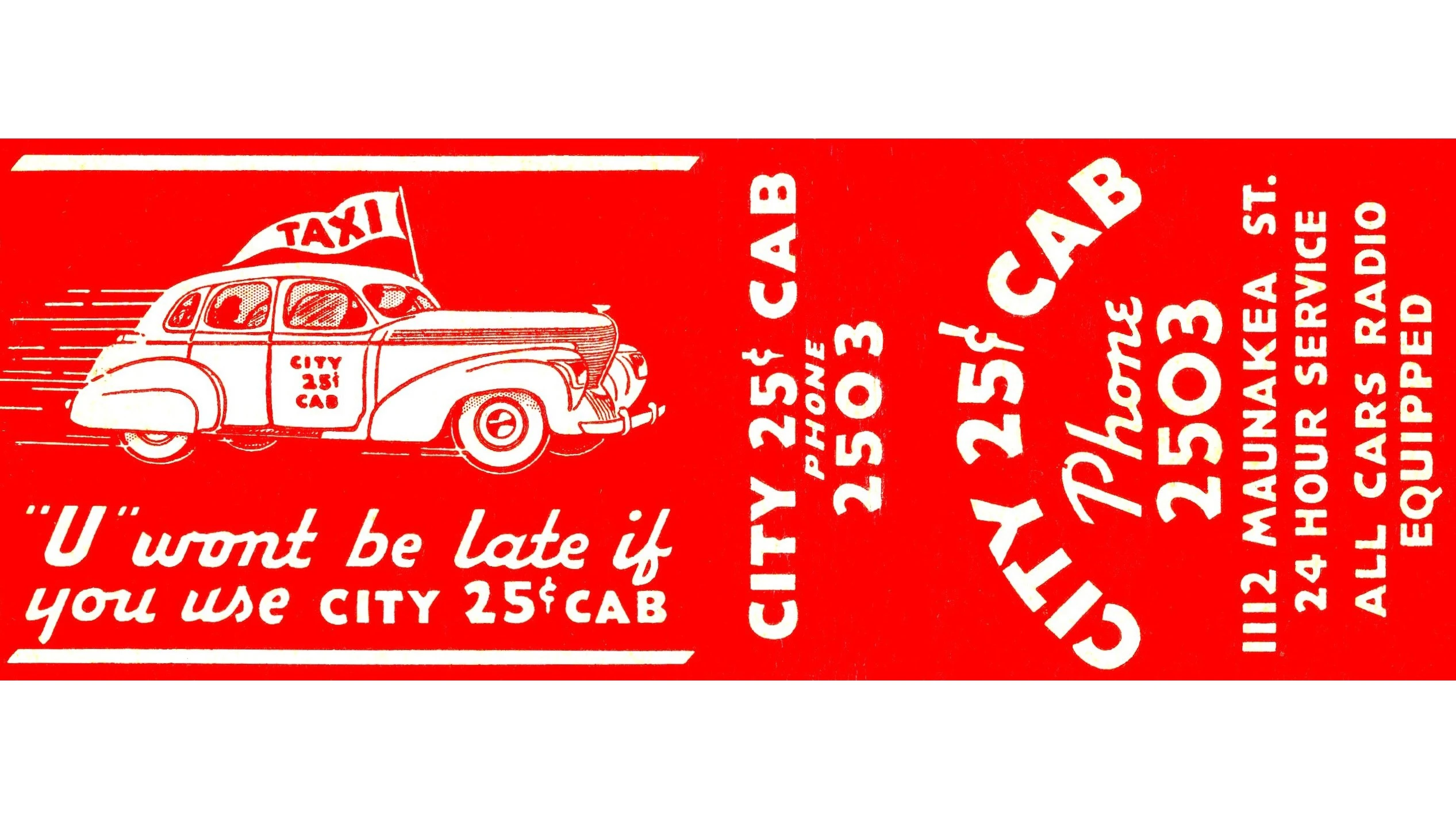
Close cover before striking: Advertising matchbooks in Hawai‘i
When cigarette smoking was ubiquitous so were matchbooks. These were handed out by the thousands by Hawai‘i businesses, each serving as a portable advertisement. Here's a tour of the businesses, and the printing art form, emblazoned on Hawai‘i matchbooks.
DeSoto BrownAugust 27, 2026
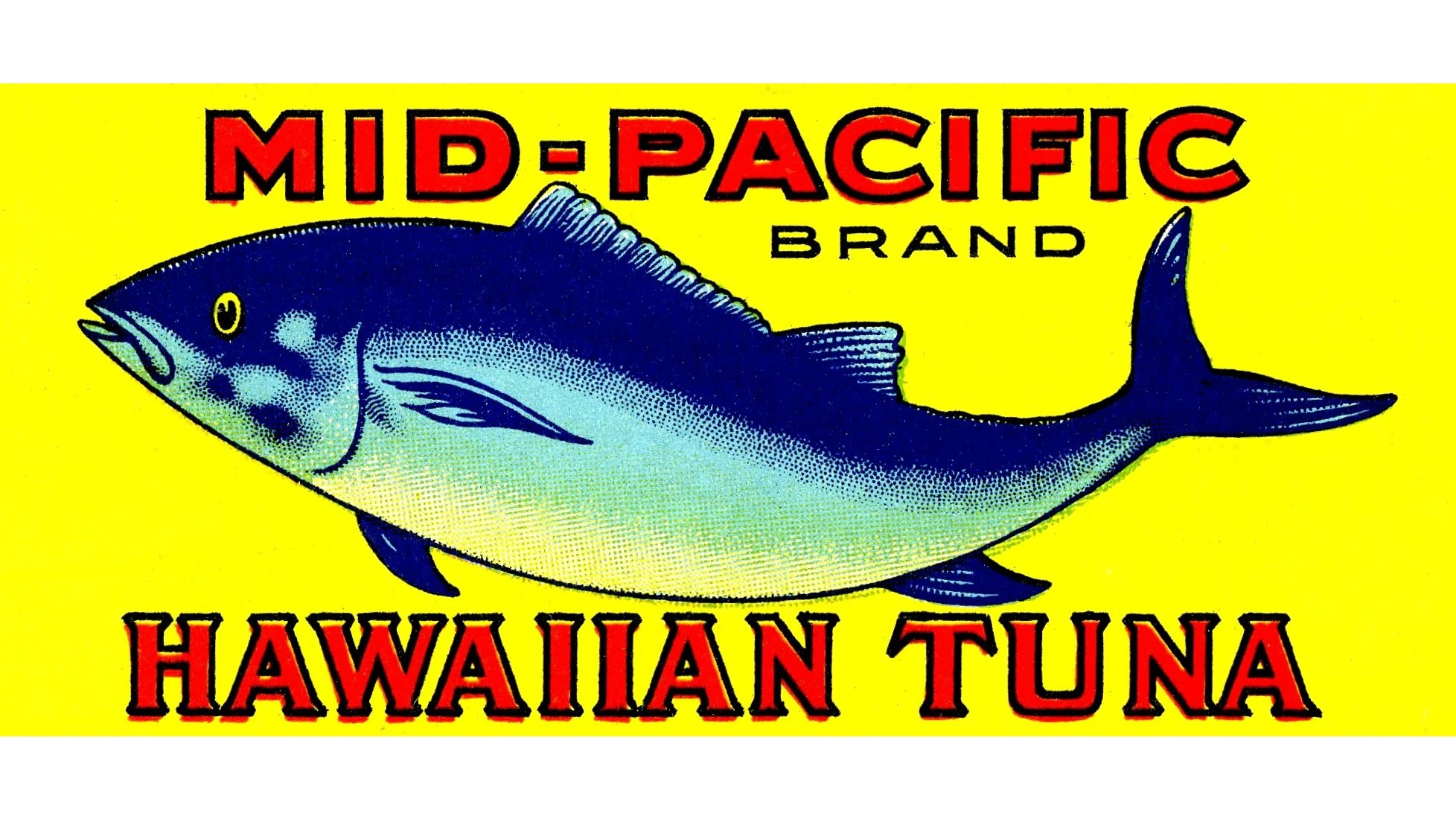
Changing Kaka‘ako: The ocean connection
The hundred-year-old Kewalo Basin was originally made to move fishing sampans out of busy Honolulu Harbor. At one point, 1,000 people worked in the adjacent Hawaiian Tuna Packers facility, producing up to 65,000 cans of tuna per day under the Coral brand for sale locally and on the Mainland. In time, the famous Fisherman's Wharf restaurant appeared, thrived, then shut down as well. It remains a harbor for fishing boats, but of the recreational variety, as well as for boat tours and "booze cruises."
DeSoto BrownAugust 21, 2026

Neon, its birth and death in Hawai‘i
Bright, colorful neon signs debuted in the Islands nearly a century ago, with literal Hollywood glamor — the Waikīkī, Kūhiō and other movie palaces used them. Restaurants and small businesses of all kinds went for neon, too. Over time, they became associated with dive bars and the bad side of town. ASD history writer DeSoto Brown revisits and the highs and lows of this distinctly 20th-century form of advertising.
DeSoto BrownAugust 14, 2026

Changing Kaka‘ako: The first on Kaka‘ako’s Automobile Row
Shiny, new high-rise condos are popping up all over Kaka‘ako, and it isn't the first time a trend changed the neighborhood. In the 1950s, the new kids on the blocks were car dealerships. The first of these, in 1958, was for Volkswagen.
DeSoto BrownAugust 07, 2026

Honolulu's restaurant corner
With its high traffic and visibility, the corner of Kapi‘olani Boulevard and Kalākaua Avenue has attracted a series of legendary eateries over the decades. ASD history columnist DeSoto Brown revisits them all — Kau Kau Korner, Coco's, Hard Rock Café (much of the latter's building now serving as the home of Chick-fil-A's only sit-down restaurant).
DeSoto BrownJuly 30, 2026