“Kuhinia Maui,” which comes from a chant in the book “Na Mele Welo” by the late scholar and historian Mary Kawena Pukui, celebrates the island’s enduring richness and resilience, which still holds true of its people today.
The name is fitting for a recent community gathering in Lahaina put on by Maui County that occurred near the newly reopened Front Street on Saturday, Aug. 8 — three years since the deadly wildfires that claimed more than 100 lives and destroyed thousands of structures in the historic town.
The goal of the event, which ran from 9 a.m. to 7 p.m. that day, at Lahaina United Methodist Church on Baker Street, was to “gather to honor the memories we cherish, remember those we have lost, and support one another as our community continues its journey of healing,” per the event’s website. It was “led by the communities of Lahaina and Kula with the support of the County of Maui.”
“Today is about creating space for our community to remember in the ways that feel meaningful to each of us,” Maui Mayor Richard Bissen said in a statement. “Whether through music, art, prayer, sharing a meal or simply being together, every expression of remembrance helps keep the memory of those we lost close while reminding us of the aloha and connection that continue to carry our community forward.”
Live music lifted spirits throughout the day with performances by Akoni, Kuhaʻo Murray, Marvin Tevaga, Sean Moala, Sione Liti, Corey Lum and Lahaina’s Highway 30. A two-hour Broadway-style production of “Lele Wale” by Ikaika Mendez was presented both on Friday and Saturday afternoons to honor the stories of Lahaina. “Through the perspectives of first responders, community leaders, displaced families, and cultural practitioners, audiences are invited into a deeply moving exploration of grief, identity, resilience, and hope,” according to Kuhinia Maui organizers.
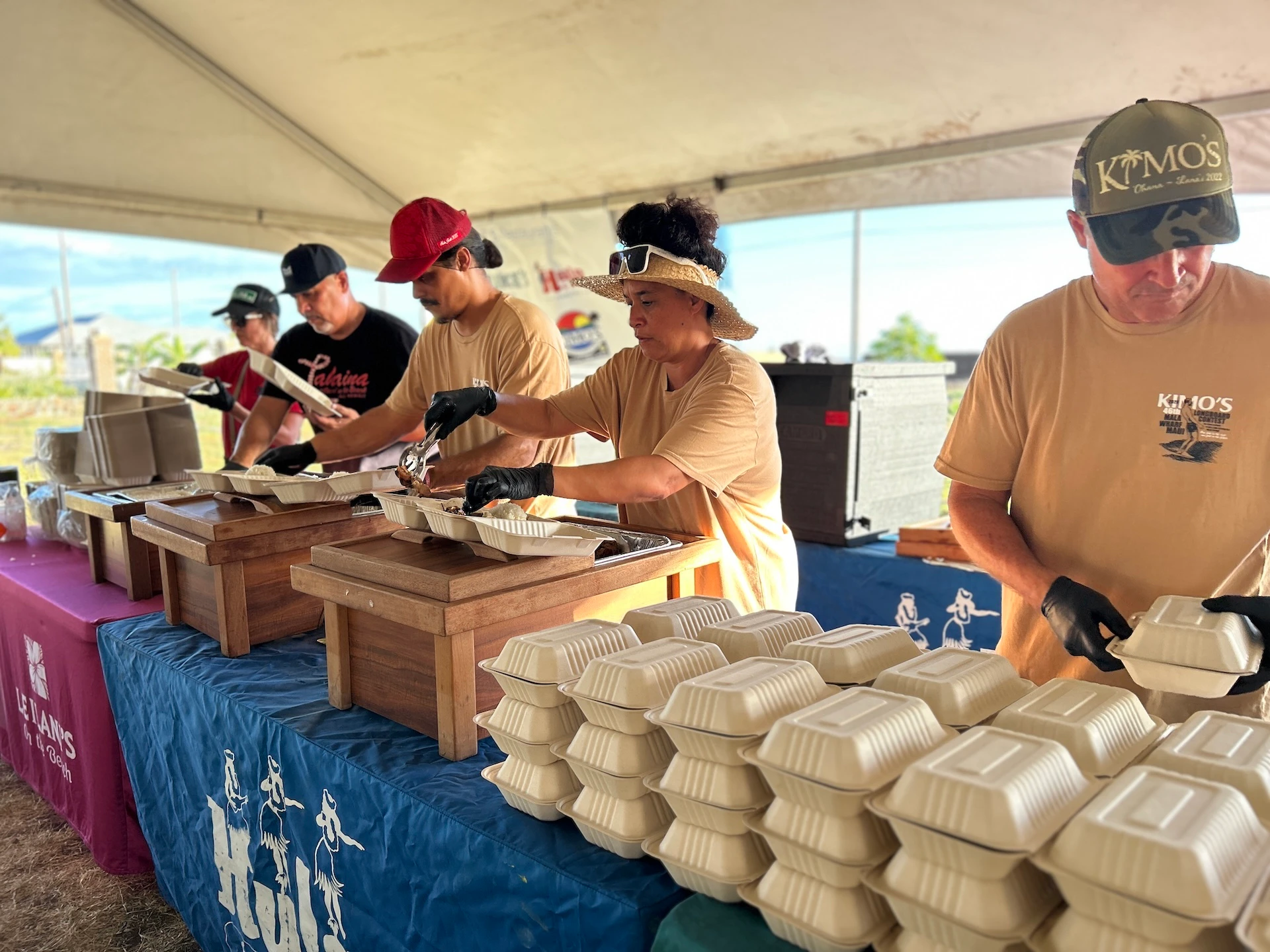
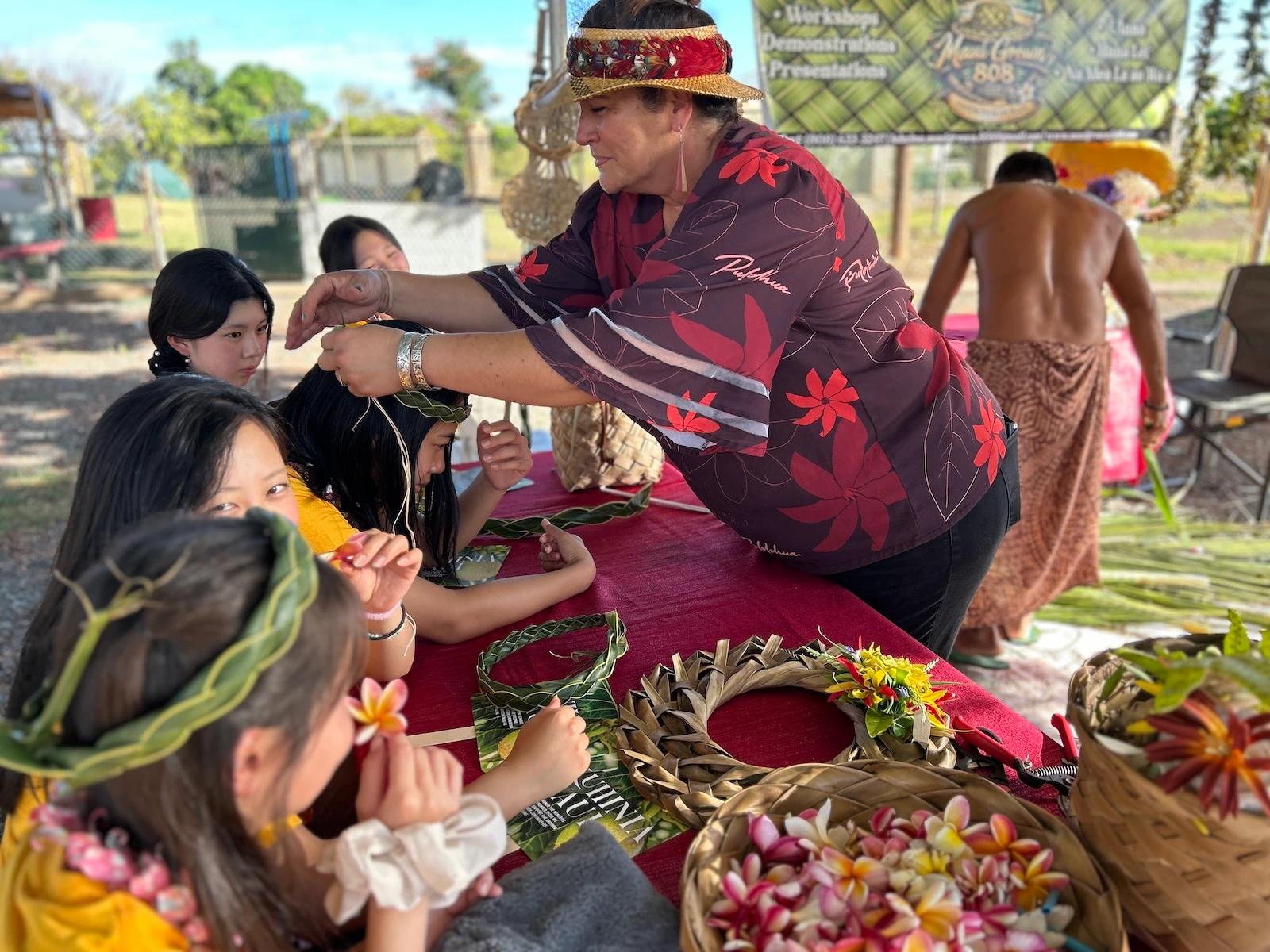
Other free activities involved making lauhala keepsakes and decorating memorial shirts, luminaries and ʻulu leaves, as well as massages and more. Complimentary meals were served by T S Restaurants, which on Maui includes Kimo’s, Duke’s, Hula Grill Kaanapali and Leilani’s on the Beach.
Kumu Hula of Hālau Hula ‘o Ka Malama Mahilani Cody Pueo Pata served as emcee and shared ʻike of the place names of Maui from his book “ʻOhuʻohu nā Mauna o ʻEʻeka, Place Names of Maui,” which was also provided to attendees of this year’s event as a free gift from Maui County, while supplies last.
Media was not permitted at the event “for the respect and dignity of the residents.”
Aloha State Daily recently chatted with Elle Cochran, who in mid-March left the Democratic Party to join the Republicans, representing Maui's 14th district (Wai'ehu, Waihe'e, Kahakuloa, Honokahua, Kahana, Mahinahina Camp, Ka'anapali, Lahaina, Lahainaluna, Olowalu and portions of Ma'alaea), or her home neighborhood.
Cochran says she is currently prioritizing “true affordable housing” in the area, since “housing and stability is the root of our issues” and were an “issue prior to the fires.”
She says she's also working on drafting bills that would offer more “powers to the auditors and Attroney General, etc.”
In light of elections the fall, Cochran said, “There need to be more public forums.”
“People in the community need to reach out to their city council members and meet with them to educate themselves on what’s going on. A single vote can make a difference and there is power in advocacy.”
Cochran adds that Maui County alone has a shortfall of 800 workers, which isn’t helping permitting, infrastructure and other departments serving the community, especially as Lahaina continues to rebuild from the fires.
“There are still empty lots” and month-long wait times for permits, she says, adding that the stress of housing is contributing to severe mental health issues and even suicide.
“It’s not over, and we’re not 'fixed' and we’re not recovered,” Cochran says. “But I think at the end of the day, the root causes of the issues and challenges — even kids beating up tourists — I think the acting out is because of the housing and stability. Families are torn apart. And there’s no stability in their lives. ... I just think that’s not recovery when you’re displaced.”
“So, I just really believe that, if we can get people rooted and planted back and have that strong foundation again, that solves so many things. Or at least that will take one less issue off the table for them to work on and move on to the next thing."
Kelsey Kukaua Medeiros can be reached at kelsey@alohastatedaily.com.
For the latest news of Hawai‘i, sign up here for our free Daily Edition newsletter.