
Hawai‘i has joined two multi-state lawsuits challenging the federal government’s proposed changes to protections for endangered species.
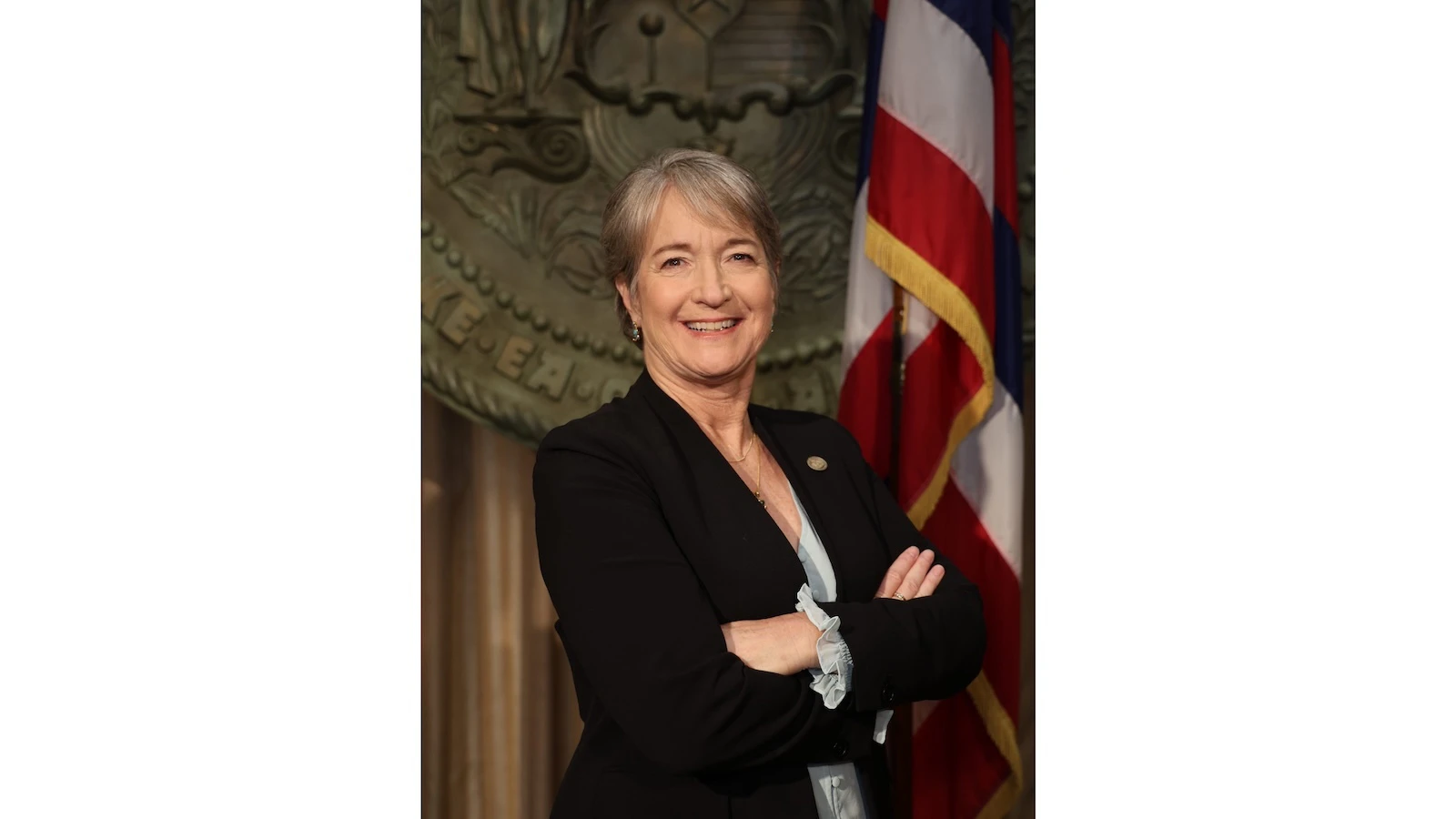
Hawai‘i Attorney General Anne Lopez co-signed a pair of lawsuits — along with 20 other attorneys general — against the U.S. Fish and Wildlife Service and the National Marine Fisheries Service, arguing that proposed rule changes at both agencies that would remove protections established by the Endangered Species Act are unlawful.
One suit, against the FWS, concerns a “blanket rule” contained within the Endangered Species Act. Established in 1975, the blanket rule extends ESA protections to all threatened fish, wildlife and plant species by default, unless FWS develops species-specific rules.
In 2019, however, during President Donald Trump’s first term, the FWS rescinded the blanket rule, following an executive order by Trump calling for widespread deregulation throughout the federal administration.
Five years later, under President Joe Biden, the FWS reinstated the blanket rule. But, last year, FWS proposed re-rescinding the blanket rule again, this time citing another Trump executive order which required departments to suspend any action determined to be an impediment to the exploitation of the country’s energy resources.
FWS has argued that rescinding the blanket rule “ensures that the [FWS] will thoughtfully consider the protections that are necessary and advisable for the conservation of threatened species.”
That same suit also challenges a proposed rule which would require the FWS to consult with outside experts for a cost-benefit analysis of whether designating an area as a protected critical habitat for an endangered species creates an economic burden. Like the blanket rule, the habitat rule was implemented in the first Trump term, rescinded in the Biden administration, and has been re-proposed once again.
In the suit filed Wednesday, Hawai‘i and the other plaintiff states argue that the FWS has abused its authority by proposing the rules, partly because the agency has a mandated responsibility to issue protective regulations for threatened species, and partly because the FWS has failed to provide adequate reasons for changing the rules.
The other lawsuit concerns a 2025 proposal by the FWS and the National Marine Fisheries Service to remove from their regulations the definition of “harm.”
While “harm” was defined by the NMFS as “an act which actually kills or injures fish or wildlife … [including] significant habitat modification or degradation which actually kills or injures … by significantly impairing essential behavioral patterns,” the FWS and NMFS rescinded that definition in July of this year.
The agencies reportedly argued that the definition of “harm” conflicts with the agencies’ definition of “take” and that removing the former definition ensures clarity. On the other hand, the plaintiffs argue that “take” constitutes actions aimed deliberately against particular animals.
The second lawsuit challenges the “harm” rule on the same grounds as the first suit.
Hawai‘i is joined in the suits by attorneys general from Massachusetts, California, Maryland, Washington, Arizona, Colorado, Connecticut, Delaware, Illinois, Michigan, Minnesota, New Jersey, New Mexico, New York, Oregon, Rhode Island, Vermont, Wisconsin, Virginia and Washington D.C.
For the latest news of Hawai‘i, sign up here for our free Daily Edition newsletter.


