
Rick Hamada wrote this week about our long failure to invest in infrastructure. The wreckage left by the hurricane proves his point.
Storm drains backed up into the streets. Sewage went where sewage should never go. In some neighborhoods the taps ran dry. And power failed all over.
Infrastructure is the kind of thing you notice only when it breaks. This week, a great deal of it broke at once. But none of it should have surprised us.
Seven years ago I co-authored a report called Troubled Waters. It went to the Hawai‘i Executive Conference, an annual gathering of the state’s chief executives and decision-makers. We tried to put a number on what Hawaiʻi owes its future: retiree healthcare and pensions, infrastructure repair and replacement, and the cost of preparing for storms and a rising sea.
The counting was hard, because few agencies publish what their systems will cost to maintain or replace. Still, the number we reached was $88 billion, and the room agreed with it.
Agreement, more or less, is where the story ends. Infrastructure has not moved up the priority list since. The Islands’ two signature projects — rail and the stadium — are new construction, the shiny kind.
Ask why and you will hear that maintenance is not glamorous. A ribbon-cutting makes for a better photo than a repair schedule. Both answers are true.
But there is another reason, less flattering and more important. Infrastructure belongs to the world of atoms, and atoms are indifferent to rhetoric.
A pipe holds or it leaks. A grid carries the load or it fails in the dark. Taking a project from concept to completion in that world takes real executive skill. Our politics neither selects for it nor rewards it.
Consider a career we have seen more than once. A young man serves in student government, rises to president of the student body at UH Mānoa, interns at the legislature, manages a legislative office, and then wins an open seat. Or he is appointed, skipping the campaign.
He was chosen at every step for ambition and persistence, which are real virtues, but never once for having built or repaired anything. When his car dies on a Tuesday he stands over the engine as helpless as a child. By Thursday he has recovered his confidence to reform the economy. He has simply never worked anywhere his words could be tested against material, and no one has loved him enough to tell him so.
The people who do have that skill get bid away. Honolulu’s managing director, Mike Formby, left city government to run a maritime company whose businesses include ship repair. Few politicians or civil servants could follow him. You can’t fake it until you make it on the open seas.
The room that received Troubled Waters was full of executives, though, and executives have bad habits of their own. The people who complain loudest about government waste have sometimes bankrolled stadium campaigns and rail coalitions. New construction generates business.
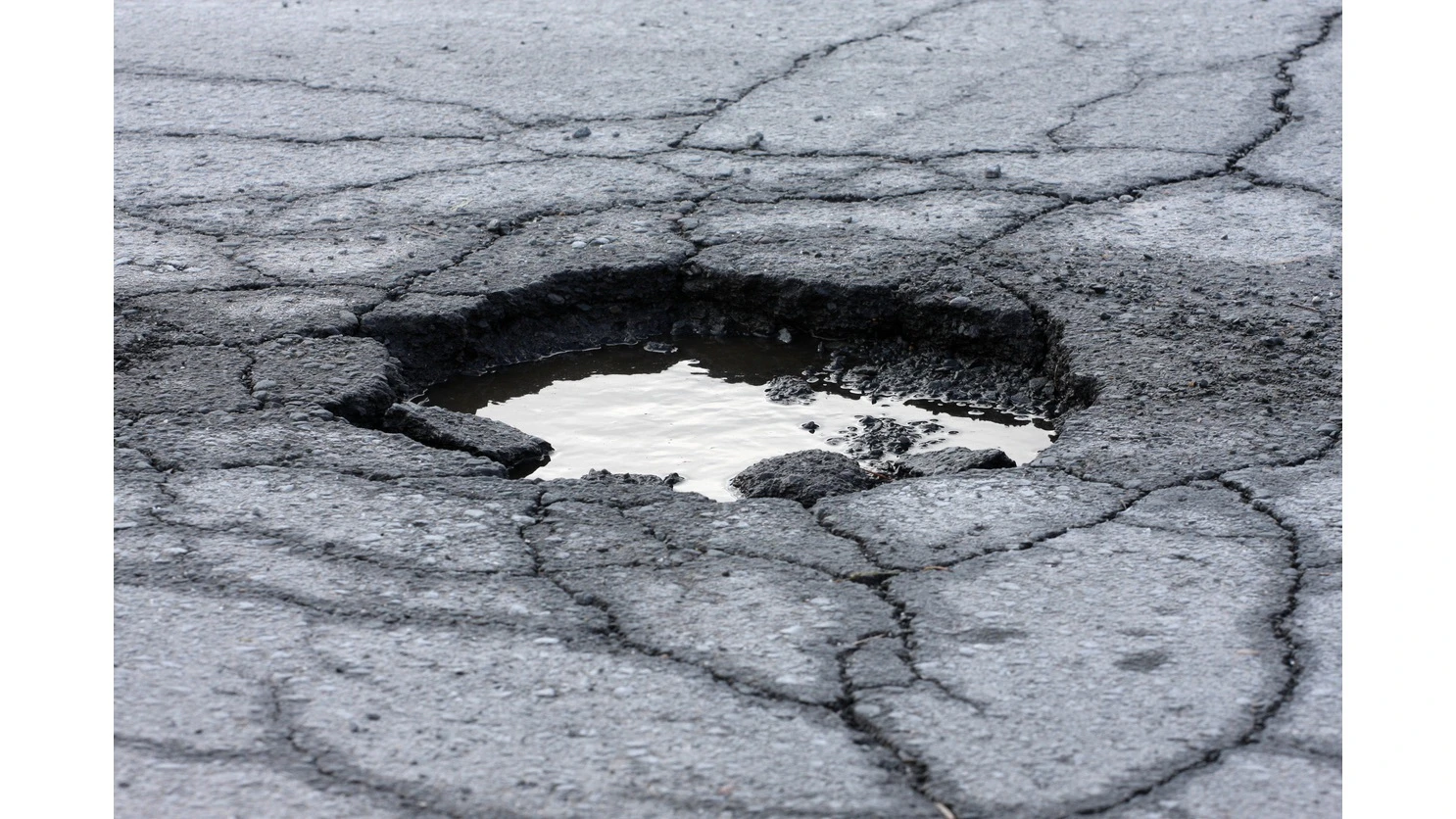
Meanwhile, the convention center roof leaks, and highways are sinking into the sea.
A government that attempted less could maintain more.
Every agency should publish, every budget cycle, what its systems will cost to maintain and to replace. Then the bill stops hiding. No new vanity project should clear the budget until maintenance of the old ones is accounted for. Fix-it-first is not austerity. It’s just honest accounting.
And voters might begin to ask of a candidate the question we ask of a contractor: What have you built? The plumber who has sweated a joint knows something about the world that a law seminar cannot teach. We should stop pretending otherwise.
Another storm will come. Before it does, we need more than pretty speech from our political leaders. They should spend some time in the world of atoms.
Touching grass turns out to be good advice, even when the grass is wet.
Author Sterling Higa can be reached at hello@sterlinghiga.com.
For the latest news of Hawai‘i, sign up here for our free Daily Edition newsletter.


